On Tuesday, July 26, 2022, news broke that the identity of the mysterious figure had been revealed. Immediately after the announcement, not only Australian media, but also the BBC, the New York Times, and Japanese media reported this century-defining solution as their top news story. Everyone was thrilled that a long-standing mystery had been solved.
The identity was that of a body discovered in 1948. DNA extracted from hair remaining in the plaster cast of the death mask was obtained in almost perfect form. Approximately 800,000 genetic variations (SNPs) were analyzed from the hair DNA, creating a massive dataset. This data was then cross-referenced with databases such as “GEDmatch” and “FamilyTreeDNA,” which are used by the general public to trace their family histories. From these databases, “distant cousins” who shared DNA with the Somerton Man were discovered.
By tracing the family trees of these discovered relatives back in time, a common ancestor was identified. Descending back to the present day, they narrowed down the “candidates” who disappeared in 1948 and whose age and characteristics matched. They constructed a massive family tree including over 4,000 people, finally arriving at one individual: Carl Webb. This case, known as the “Somerton Man case” or “Tamam Shud case,” remains an unsolved mystery with many unanswered questions.
Un artículo afirma que se ha revelado la identidad del periódico australiano The Guardian.
In unsolved mystery communities like Reddit, “internet detectives” who had been pondering the case for years were filled with surprise and a sense of loss. Their wish that he had been a spy was replaced by the reality of the lonely death of an ordinary person.
- Science has told us “who” it is, but it hasn’t told us “why.”
- Act One: The Somerton Man Affair
- December 1, 1948: Silence in Adelaide
- The autopsy revealed a “horrific state of mind”
- The mysterious existence of “poison”
- Two faces etched into the body
- Countdown to Death: November 30th’s movements and eyewitness accounts
- November 30, morning: A man’s shadow moving
- Stillness at dusk: A sighting on the beach
- The Silent Suitcase: Fragments of a Life Left Behind
- The hidden “final words” and the mysterious poetry collection that arrived
- A discovery born from sheer determination: a double-layered “hidden pocket”
- “Tamam Shud”: A Silent Accusation
- The “evidence” of a miracle: Ronald Francis’s testimony
- An “undecipherable code” inscribed on the spine.
- Living evidence and Justin’s silence
- Neighbors 400 meters from the beach
- Plaster mask: Disturbance that breaks the silence
- Vauxhall Paradox: The Prepared Labyrinth
- A secret protected with an iron will.
- The 2022 Revelation—The Tragedy Named Carl Webb
- The duality of a skilled craftsman and a romantic.
- The Truth Behind the Disappearance: Adelaide at the End of Obsession
- The “ordinary truth” deepens the confusion.
- Piece 1: A peaceful death face
- Piece 2: The Mystery of Mosquitoes
- Piece 3: Did he really get on the bus?
- Piece 4: Where was Carl Webb?
- Piece 5: Why did they conceal their identity?
- Piece 6: Hidden Pocket
- Piece 7: Who checked in the brown suitcase?
- Piece 8: Why did I check my suitcase? Why was I wearing so many layers of clothing?
- Piece 9: Countdown in the Cold War
- Piece 10: The “Reasons” Why It’s Dangerous
- Reason 1: Comrade
- Reason 2: Conflict
- Reason 3: Chosen consciousness
- Piece 11: The Substitute Vessel
- Piece 12: A match with zero probability
- Piece 13: “Mr. S”
- Value: Possessing extremely high levels of knowledge and experience in rocket development.
- Cooperativeness: The expectation that cooperation will continue in the future even if recalled to the Soviet Union.
- Difficulty: At this stage, the person is free and easy to kidnap.
- Presence of enemies: The target is not under close surveillance.
- Piece 14: Temperature difference
- Piece 15: Carl Webb
- The Cold War: a giant jigsaw puzzle
- Act Two: The Tamam Shud Incident
- Fingertips breaking the silence: A millimeter-sized hidden pocket
- The final words: The last stanza
- The tailor-made secret: The spy’s armor that clings tightly
- The evidence that was delivered
- The final mystery: Why did the MGB give Jessica’s phone number to the police?
- Key witness: Jessica Thompson
- Two Despairs Left on the Sandy Beach
- What Tamam Shud revealed
- The “Sea of Shadows” Called History
- “The truth lies in the sea of shadows.”
Science has told us “who” it is, but it hasn’t told us “why.”
In 2022, the modern light of DNA testing broke more than 70 years of silence, revealing the name “Carl Webb.” However, scientific identification does not necessarily unravel the entire picture of the case. Clothing labels, hidden pockets, and American-made belongings left behind… the “unnatural symbols” left in the investigation records at the time remain silent.
This book is an attempt at historical reconstruction, using the vast amount of remaining public records and the international situation at the time as a chessboard, based on the hypothesis, “What if a third will was involved?” When the apparent facts are carefully connected, a beautiful story should emerge. This is a record of an intellectual inquiry.
Act One: The Somerton Man Affair

December 1, 1948: Silence in Adelaide
6:30 AM. Australia, in the Southern Hemisphere, was enveloped in the first signs of early summer. A man’s body was discovered on Somerton Beach, southwest of Adelaide, South Australia. The man, now dead, was the epitome of “mystery.”
The man lay with his head resting on the breakwater, his legs stretched out and crossed. There was no sign of agony or a struggle; his face was remarkably peaceful. His clothing was extremely clean and neat; his coat and trousers were free of heavy soiling or disarray. At first glance, he appeared to be “simply sleeping.”
The man was in his 40s or 50s, approximately 180cm tall. He was very well-built, with broad shoulders and a slender waist.
He was wearing a white shirt and tie, a brown knit sweater, gray trousers, and a double-breasted coat. His shoes were polished, and although he was dressed rather heavily for the season, his appearance was remarkably clean.
The victim’s pockets contained a train ticket from Adelaide, a bus ticket, American-made chewing gum, and American-made cigarettes (packaged in a British brand). However, there was no wallet, identification, or cash.
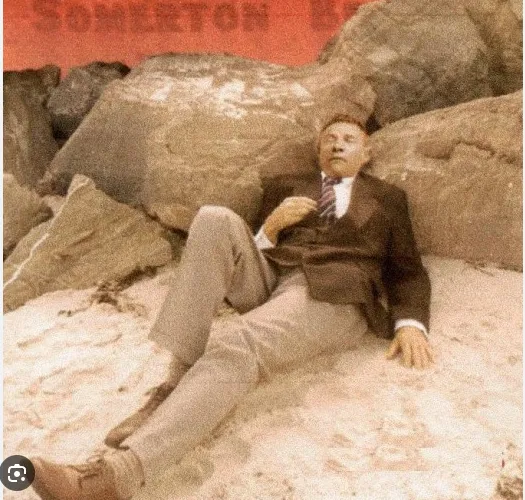
The most puzzling aspect was that all the labels on his clothes had been carefully cut off with something like a sharp object. It was a manifestation of his “will” to thoroughly eliminate any clues about who he was.
The autopsy revealed a “horrific state of mind”
Contrary to his calm outward appearance, the man’s internal state was entirely different. The autopsy conducted by forensic pathologist Dr. John Dwyer revealed a stark contrast between his outward appearance and his internal condition.
The autopsy report witnessed by the doctor was extremely gruesome.
The autopsy results were as follows: A considerable amount of blood was present in his stomach. The mucous membrane was severely congested, described as “brick-colored,” indicating hemorrhagic gastritis. Similar congestion was also observed in the lower part of the small intestine (around the duodenum). However, it is noteworthy that his last meal was a “pasty” (a British-style meat pie). It is estimated that he ate it approximately 3-4 hours before death, but no poison was detected in the pasty itself.
Next, the spleen was enlarged to approximately three times its normal size, extremely soft (described as “liquid”), and congested. The liver and kidneys were also severely congested. The blood vessels on the surface of the brain were also abnormally engorged. Every organ, from the liver and kidneys to the surface of the brain, was abnormally congested.
Dr. Dwyer, based on these findings, concluded that while “heart failure” was the direct cause of death, he was convinced that sudden death by poisoning was behind it. However, with the level of toxicology technology at the time, even common poisons like arsenic and strychnine could not be detected.
The biggest factor that leads to this case being discussed in the context of a “spy assassination” is the fact that “nothing was detected despite causing such severe internal organ disease.”
The mysterious existence of “poison”
The forensic community at the time considered the following hypotheses:
Death by an overdose of digitalis (a cardiac stimulant). Large amounts of digitalis affect the heart, leading to rapid death. However, detection after death was extremely difficult with the technology available at the time. Another possibility was ouabain (a type of arrow poison), a poison used in African hunting, which is metabolized and broken down very quickly after ingestion, leaving no trace. These were also considered possibilities.
If he was murdered with a “difficult-to-detect poison,” it would suggest that it wasn’t the work of an individual, but rather the work of an organization with advanced medical knowledge and access to specialized poisons—in other words, an intelligence agency.
Furthermore, the absence of vomit near his body deepened the mystery. Such severe bleeding in the stomach would normally be accompanied by violent vomiting.
The reason this case has been called the world’s most inexplicable unsolved case for over 70 years is not simply because the victim’s identity was unknown, but rather because the body left behind was so “unnaturally healthy, yet had died inexplicably”—a paradox rife with contradictions.
Next, let’s take a closer look at the physical characteristics that led to his (hereafter referred to as the Somerton Man) identity.
Two faces etched into the body
Somerton Man’s calf muscles were remarkably well-developed and toned, positioned high up. His toenails were also unusually shaped, and his toes exhibited a form suggesting prolonged wear of pointed shoes (similar to bunions).
These characteristics led investigators and forensic scientists at the time to hypothesize that he was a professional ballet dancer or had undergone specialized training involving daily tiptoeing.
Two key features were crucial in identifying him:
His ears had a rare shape, with the upper indentation (ear canaliculus) larger than the lower one, a feature found in only about 1-2% of the population.
His teeth were also extremely rare, with a congenital absence of lateral incisors (the teeth next to the front teeth) and canines positioned directly next to the front teeth. These characteristics later became crucial physical evidence, leading to the identification of Carl Webb through DNA testing in 2022.
The Somerton Man’s outward appearance—a well-built physique, manicured nails, and expensive clothing—was in stark contrast to his internal state: a horrific scene of a bleeding stomach, an enlarged spleen, and congested organs. Yet, within this single corpse, coexisted a sense of stillness: a perfectly composed posture, an unlit cigarette, and tagless clothing.
At the time, he was seen as a “Cold War corpse,” symbolizing the clandestine activities of a spy.
Countdown to Death: November 30th’s movements and eyewitness accounts
The greatest reason the Somerton Man case continues to stimulate people’s imaginations for so long is that, based on multiple eyewitness accounts, his movements in the hours, or even tens of hours, before his body was discovered are recorded as those of a “living human being,” yet as an “eeriely still presence.”
November 30, 1948. What did people see in the twilight of Somerton Beach that day? And how were those eyewitness accounts later interpreted? Based on the investigation documents from the time and the vivid testimonies of the eyewitnesses, we will reconstruct the “blank hours” leading up to his death.
We will begin with the “movement” of the Somerton Man before he appeared on the beach, based on the few pieces of evidence left behind.
A train ticket found in his pocket, a bus ticket stub, and later records from the baggage claim at Adelaide station reveal his movements on the morning of November 30th.
November 30, morning: A man’s shadow moving
Between 10:50 AM and 11:00 AM, the man who would later become the Somerton Man appeared at Adelaide Railway Station. He purchased a ticket for the 10:50 AM train to Henry Beach, but for some reason, he never boarded it.
Shortly after 11:00 AM, he left a brown suitcase at the station’s baggage claim. A station employee later recalled him as “a very ordinary, well-dressed man.”
At 11:15 AM, he boarded a bus from the bus stop in front of the station, bound for Somerton Beach (towards Glenelg).
Shortly after 12:00 PM, he disembarked at a bus stop near the beach.
This act of “deliberately letting the train pass and choosing the bus” suggests the possibility that he was avoiding, or searching for, a specific destination or “a specific person.” From here, his movements lead to the beach sightings.
Stillness at dusk: A sighting on the beach

On the evening of November 30th, Somerton Beach was bustling with people strolling and enjoying the cool air. It was there that the first significant sighting occurred. Around 7:00 PM, local jeweler John Lyons and his wife were walking along the beach when they spotted a man sitting on the sand with his head resting on the seawall. He appeared very relaxed, gazing out at the sea.
As Lyons observed him, the man stretched his right arm upwards and then let it drop limply. Lyons, seeing this, assumed the man was either trying to light a cigarette but giving up, or simply a sleepy drunk, and did not intervene.
This eyewitness account of the man “raising his arm” became the medical evidence for the autopsy, concluding that “he was definitely alive at 7:00 PM.” After the Lyons had left, another young couple passed by him. This testimony added an “eerie” element to the case.
Between 7:30 PM and 8:00 PM, a young couple stopped very close to the man and, thinking he was drunk, looked at him with a slightly teasing attitude. The man was lying motionless in the same position as when Mr. Lyons witnessed him.
The woman noticed mosquitoes swarming around the man’s face. Normally, a living person would swat away or turn their face away if a mosquito landed on their face. However, the man didn’t move at all. Her male companion joked, “He’s drunk and sleeping like the dead. He probably doesn’t even notice the mosquito bites,” and the couple left.
This sighting raised the possibility that the man had already lost consciousness or died by 8:00 PM. However, there were no sightings from 8:00 PM until he was discovered at 6:30 AM. Was he really there during this approximately 10-hour gap? There have been no eyewitness accounts of him not being there, so no one knows for sure.
The Silent Suitcase: Fragments of a Life Left Behind
On January 14, 1949, about a month and a half after the body was discovered, the South Australian police considered the possibility that the unidentified man had come to Adelaide from outside the city and conducted a thorough search of the lost and found office and baggage storage at Adelaide Station, a major transportation hub. As a result, a “brown suitcase” that had been left there around 11:00 a.m. on November 30 and had not been claimed was discovered.
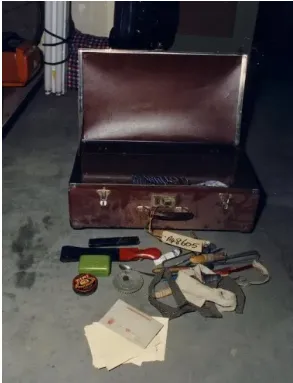
The suitcase contained a screwdriver, a sharply sharpened knife, scissors, a sewing kit, a card of orange linen thread (a spool), a zinc plate, a stencil brush, envelopes, stationery (unused), and grooming items, as well as pajamas, loungewear, and slippers. These were somewhat unusual items for a typical traveler.
The strangest thing was that all the manufacturer labels and name tags had been carefully cut off with a sharp blade from the spare clothes packed in the suitcase. Only three of them still bore a name.
- T. Keane on the necktie
- Keane on the laundry bag
- Keane on the underwear
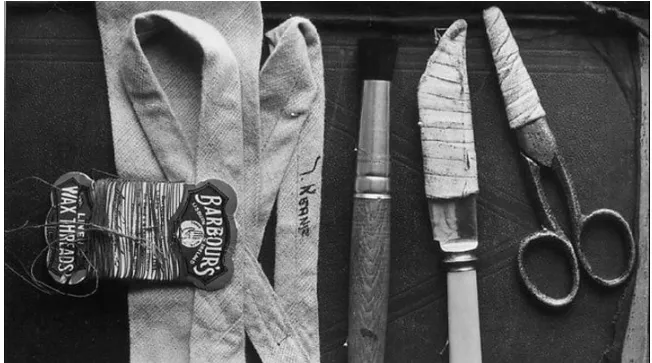
On January 14, 1949, a brown suitcase discovered at the lost and found office of Adelaide Station contained fragments of his “life.”
The suitcase was left at the station around 11:00 AM. A train ticket from Adelaide to Henley Beach and a bus ticket from the city center to the vicinity of Somerton were found in the man’s pockets. In other words, the suitcase’s deposit record complemented the man’s final movements: he arrived at the station, left his luggage, and then headed towards the beach.
At the time, investigators seized upon the name. They searched all of Australia for missing persons named “T. Keane,” but no one matched the description. Far from providing a clue to solving the case, the name became a clever “trap” or “dead end” that led the investigation further into a labyrinth.
The hidden “final words” and the mysterious poetry collection that arrived
When the investigation reached a complete stalemate and the body was embalmed to prevent decomposition, authorities commissioned Dr. John Burton Cleland, a professor of pathology at the University of Adelaide, to conduct a more in-depth investigation. Initially, the Adelaide police meticulously examined the clothing the body was wearing, finding only railway tickets, cigarettes, and gum in the usual pockets, but nothing that could identify the body.
The professor, convinced that “something must have been overlooked,” re-examined the body’s clothing literally “by the millimeter.” His persistence uncovered an incredibly cleverly concealed pocket in the waistband of the trousers. This historic “hidden pocket” was discovered on April 19, 1949, approximately four months after the body was found.
A discovery born from sheer determination: a double-layered “hidden pocket”
The hidden pocket was concealed within the “watch pocket (fob pocket)” on the front of the trousers, just below the waistband. A small slit was made in the lining of the regular pocket, creating a secondary space behind it. It was an extremely unique structure, impossible to detect from the outside, or even by a normal inspection involving placing a hand inside the pocket. It was not a standard feature of ready-made trousers, but rather a deliberate modification by the owner, or a result of very specialized tailoring.
Amazingly, microscopic examination proved that the thread used to repair the pocket lining was identical to the orange linen thread found in the brown suitcase. This linen thread was a strong, waxed thread from Barber & Co., a British company that was difficult to obtain in Australia at the time. This thread is typically used in shoemaking, leatherworking, or repairing heavy canvas (parachutes, tents, etc.), and is not something found in a typical household sewing kit.
Furthermore, the repairs were carried out with such meticulous care that it strongly suggested either he himself possessed sewing skills or that someone very close to him, supporting him, had repaired them for a specific purpose. Investigators suspected a connection to “espionage involving heavy machinery and specialized equipment.” This match is a definitive physical link indicating that the owner of the luggage and the body belonged to the same person.
“Tamam Shud”: A Silent Accusation
Dr. Cleland slipped his fingers into the gap in the hidden pocket and pulled out a small, tightly rolled piece of paper.
When he carefully unfolded the paper with tweezers, he saw a phrase printed on it that sent chills down the spines of the investigators at the time:
“Tamam Shud”
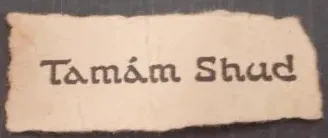
The lettering was distinctive, using a typeface similar to Blackletter or old letterpress printing. The paper was very thin, yet of high quality. Importantly, it wasn’t a simple “note”; the paper had been carefully cut around the lettering.
The back of the paper was blank, and the words were inscribed on the very last page of the book.
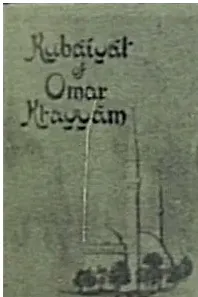
Police consultations with linguists and librarians revealed that the words meant “finished,” “completed,” or “completed” in Classical Persian. This was a fixed phrase that always appeared at the end of the Rubaiyat, a collection of poems by the 11th-12th century Persian poet Omar Khayyam. This discovery marked a crucial turning point, transforming what began as a simple search for an unidentified body into an unprecedented mystery that captivated the world.
The “evidence” of a miracle: Ronald Francis’s testimony
However, surprisingly, the case was about to take an even more dramatic turn.
Approximately seven months after the discovery of the body, in July 1949, police made an unusual appeal to the local newspaper, the Advertiser, throughout South Australia, asking if anyone possessed a copy of the Rubaiyat with the words “Tamam Sud” cut out. The newspaper detailed the distinctive handwriting of the torn-out piece and confirmed that it was the last passage of the book.
Upon reading this article, Ronald Francis (a pseudonym) remembered the book he had tossed into his car’s dashboard. He went to his car, retrieved the book, and checked the last page.
There, the words “Tamam Sud,” exactly as they had appeared in the newspaper, were cut out with a sharp object. On July 22, 1949, he handed the book to the Adelaide Police Department. The book that Mr. Francis delivered appeared at first glance to be an ordinary poetry collection, but experts found it to be highly unusual. The publisher was Whitcomb & Toms, a New Zealand company that had published many editions of the Rubaiyat, but the edition Mr. Francis delivered was extremely rare, with very little circulation in Australia.
Police forensic investigators examined a piece of paper found in the victim’s pocket under a microscope and compared it to a torn section of the book Mr. Francis delivered. The results showed a perfect match in the cross-section of the paper fibers, the paper quality, and the ink penetration.
This proved that the piece of paper the dead man (Carl Webb) had possessed was undoubtedly torn from this book that had been thrown into Mr. Francis’s car.
The story goes back to the night of November 30, 1948, the eve of the discovery of the body, to find out when, where, and how Mr. Francis picked up the book, and why he turned it in to the police. That night, Mr. Francis had parked his car on Jetty Road near Somerton Beach in Adelaide. He was there for business and had left his car unlocked for several hours. When he returned to his car, he noticed a small book lying on the floor of the back seat.
He simply assumed “someone must have thrown it in by mistake, or that it had been there all along and they’d forgotten about it,” and tossed it into the dashboard compartment, forgetting about its existence for several months.
In police records, his real name remained undisclosed to protect his privacy. Australia was in the midst of the Cold War at the time, and suspicions of espionage began to arise in the case, making Mr. Francis extremely afraid of “retaliation” and “unnecessary public attention.” He was an ordinary businessman, and this was a result of his strong desire to prevent himself and his family from becoming involved in such a bizarre incident.
Since the 2000s, investigators have tried to identify Mr. Francis by tracing back police ledgers and vehicle registration records from that time, but have been unsuccessful. However, there is no evidence that he was actively involved in the case; he is treated merely as “an ordinary citizen who unfortunately picked up a fragment of the mystery.”
The person known as Ronald Francis (a pseudonym) became the “most important passerby” in the Somerton Man case. If he had thought the book he found in his car that day belonged to someone and thrown it into the sea, or if he had left it on the dashboard and bought a new car, the vast history of intellectual inquiry leading up to the DNA test in 2022 might never have happened.
An “undecipherable code” inscribed on the spine.
Unbeknownst to Francis himself, “two crucial clues” were discovered.
On the back cover of the Rubaiyat, which was handed over to the police, the following five lines were faintly but resolutely written in pencil:
MRGOABABD
MTBIMPANETP
MLIABOAIAQC
ITTMTSAMSTGAB
Because no one touched the book while Mr. Francis had left it unattended, it was determined that the code was written “before the book was thrown into the car.” It was written in very light pencil (or a pencil with a hard lead), and some of the letters were difficult to decipher. Police used infrared photography and special lighting to make these letters stand out.
The fact that the second line was crossed out with a horizontal line, and a nearly identical (or even identical) string of characters was rewritten below as the fourth line, indicated that this was not “mere scribbling,” but “specific information that needed to be conveyed or recorded accurately.”
Handwriting analysis revealed that the writing style was very distinctive and consisted only of capital letters. This handwriting was deemed likely to belong to “someone who had received a European-style education” at the time.
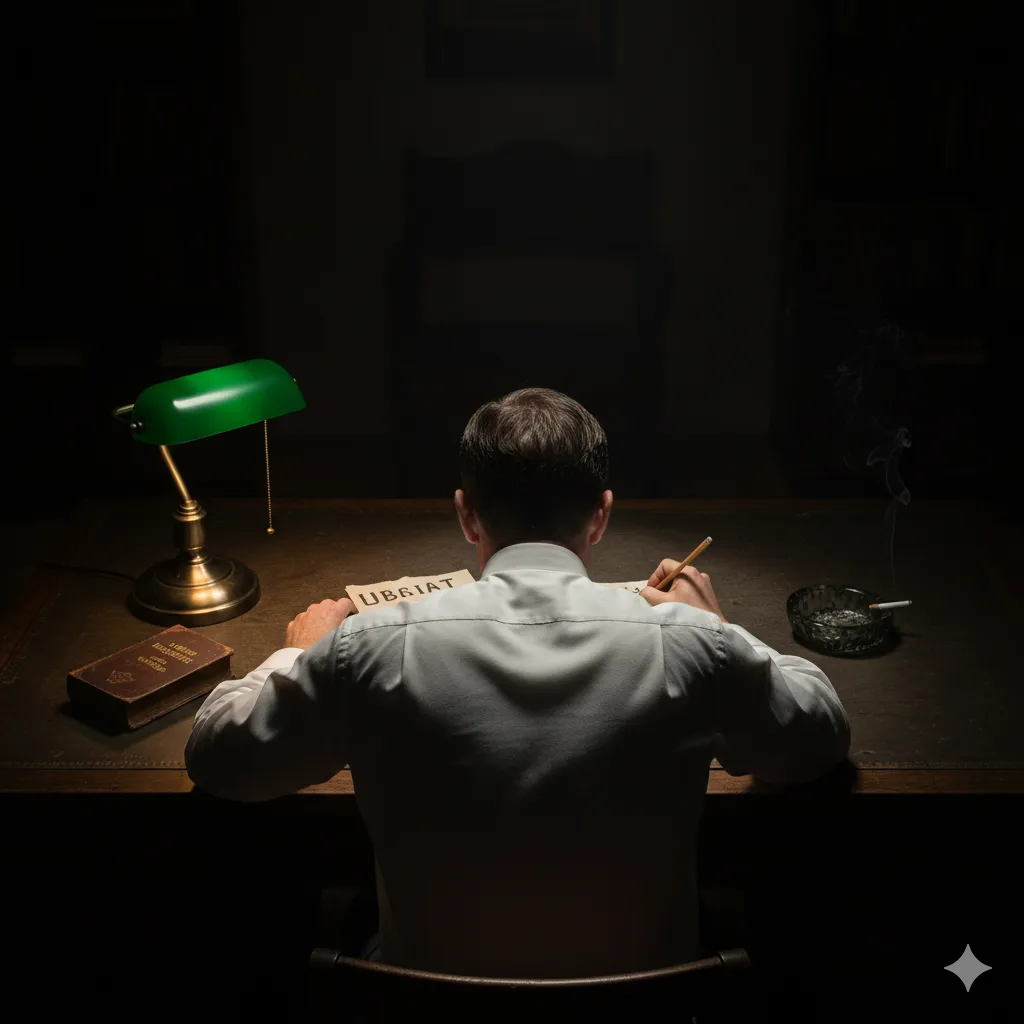
When this string was made public, it became clear that the South Australian police alone were unable to handle it, and the Royal Australian Navy’s intelligence agency was asked to decipher it. The Navy’s cryptographers first investigated whether it was possible to decipher it using “frequency analysis” (a method of inferring the original language from the frequency of character occurrences). However, conventional deciphering methods were all thwarted for the following reasons:
A string of only about 50 characters was too short for statistical analysis. The sample size was overwhelmingly insufficient. If this was a one-time cipher using a specific page of a specific book as a key, it would be impossible to decipher even with a modern supercomputer unless the book containing the “key” could be identified. The decipherers arrived at the hypothesis that “this is not a cipher, but rather a memo consisting of the first letters of words from a certain text.”
The Navy’s final report states the following: “This string of characters does not belong to any known military code system. However, it is unlikely to be merely a meaningless string of characters. It is undoubtedly some kind of personal or highly secretive message.”
The decryption team concluded this and gave up. This “unbreakable code” continues to silently assert that the Somerton Man was not just an ordinary person, but a highly educated and trained “inhabitant of the shadows.”
Living evidence and Justin’s silence
Below the coded message on the back cover of the Rubaiyat, in very faint pencil marks, were two telephone numbers: X3239 (a number leading to Jessica Thompson) and J1173 (a number believed to lead to another person, but which did not become the focus of the investigation). These numbers were written so faintly that they were difficult to decipher with the naked eye, and the police had to use special lights and magnifying glasses to finally crack them.
The police followed these numbers and eventually arrived at nurse Jessica Thompson.
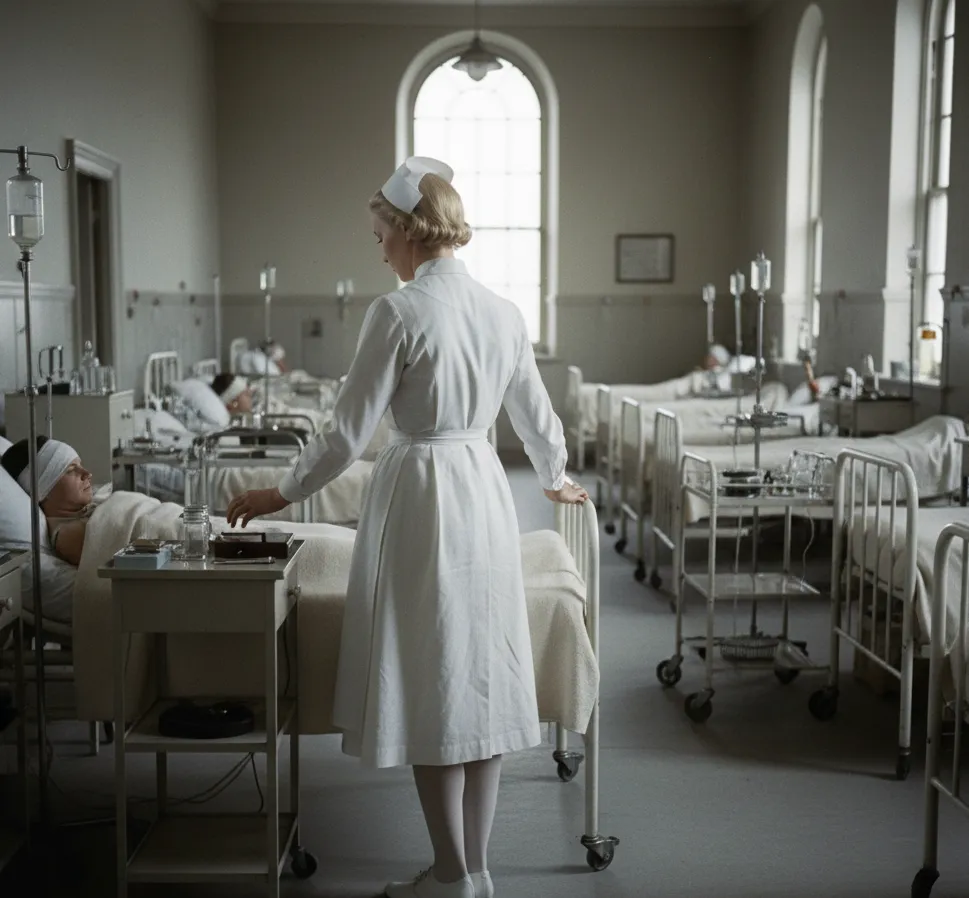
If Mr. Francis had thrown away the book or not reported it to the police, Jessica’s name would never have surfaced, and the case would have been completely buried in secrecy. The discovery of this number marked a moment when the unidentified body was brought back to the simple existential realization that it was, for the first time, a “flesh-and-blood human being” with social connections.
Neighbors 400 meters from the beach
She lived in Glenelg, a seaside town in Adelaide, just 400 meters from Somerton Beach, where her body was discovered. She was a nurse and a young mother with a son, Robin (a little over a year old). In the chaotic post-war period, nursing was an independent profession, yet one that involved contact with many people. At the time, she was living with Prosper Thompson, who would later become her husband, though they were not officially married until 1950. This “complicated family background” would later serve as a justification for her stubborn silence.
Plaster mask: Disturbance that breaks the silence
On July 26, 1949, Detective Lean, who was in charge of the case, showed her a plaster mask made from a mold of Somerton Man’s face for identification purposes. Her reaction at that moment was far from a simple “I don’t know.” The instant she saw the mask, she was speechless, so shaken that she nearly fainted.
She lowered her gaze to the ground and refused to look at the mask again. She stubbornly insisted she didn’t know the man, but the police officers at the scene were certain. She knew this man’s face deep down, in a context she didn’t want to remember, or one that must never be revealed to anyone.
Jessica vehemently pleaded with the police not to release her name in connection with the case. As a result, she was known for many years by the nickname “Justin,” and her real name remained secret until the 2000s.

Vauxhall Paradox: The Prepared Labyrinth
When police contacted her, she admitted that she was single and had once given a copy of the Rubaiyat to a man named Alfred Boxall. Police hypothesized that the Somerton Man was Boxall, but surprisingly, Mr. Boxall was still alive in Sydney and possessed the book she had given him, intact.
A secret protected with an iron will.
Jessica passed away in 2007. Her daughter, Kate, testified about her mother in her later years, saying, “My mother always acted as if there was a dark, secret door to her past,” and “When I tried to ask her about the incident, she fiercely refused.” After her death, no new copies of the Rubaiyat or diaries that could shed light on the incident were found among her belongings. She protected her secret as “Justin” with an iron will.
Was it merely a past affair that she protected? Or was it “another secret”? Her intense distress and subsequent unusual silence continue to sharply challenge the official conclusion that Somerton Man died “just an ordinary person (Carl Webb).”
The 2022 Revelation—The Tragedy Named Carl Webb

In 2022, the light of modern science—DNA genealogy—shattered the illusion of the “Somerton Man,” exposing the life of a man named Carl Webb. Testimonies from his family (nieces and their descendants) revealed the details of Carl Webb’s background. Why did he abandon his peaceful life in Melbourne, disappear from his family, and meet a lonely death on the Adelaide coast, a place seemingly unfamiliar to him?
The “true reason for his disappearance,” revealed through family testimonies, court records, and discovered private documents, lacked the glamour of a Cold War spy movie. Rather, it was a deeply human and poignant story of a man’s obsession and despair, and the collapse of his family.
The duality of a skilled craftsman and a romantic.
Born in 1905 in Footscray, near Melbourne, he was the youngest of six children. He was a skilled electrical engineer and even worked as an instructor. He was described as “highly intelligent, introverted, and sensitive.” On the other hand, he also had a romantic side, loving poetry and indulging in writing his own. He was also a gambler with an extraordinary passion for horse racing.
The Truth Behind the Disappearance: Adelaide at the End of Obsession
According to his family and corroborated by official records from the time, the primary reason for his disappearance was the breakdown of his relationship with his wife, Dorothy Robertson.
The couple married in 1941, but their life together was far from happy. Carl was extremely moody and reportedly subjected Dorothy to physical violence on a daily basis. In 1947, unable to bear it any longer, Dorothy left Melbourne and moved to Adelaide in South Australia. She meticulously concealed her whereabouts to completely escape Carl.
This is the definitive reason Carl Webb disappeared from Melbourne. He headed to Adelaide to pursue his wife who had abandoned him, to bring her back, or to settle things once and for all. According to the family and the investigative team’s reasoning, he desperately searched for Dorothy for several months, from the time he was last seen in Melbourne in April 1948 until his body was discovered in December.
The “ordinary truth” deepens the confusion.
Carl Webb’s life was that of an ordinary, unassuming man, completely unrelated to espionage. Ironically, the fact that his identity was confirmed through DNA only deepened the mystery. Why was he wearing unlabeled clothing? Why were his internal organs so severely congested?
And why was “Justin,” who lived just 400 meters from the scene, so shaken to the point of fainting upon seeing his face? A vast, unbridgeable chasm still lies between the “reality” of this ordinary man’s tragic life and the numerous “physical pieces of evidence” left on the beach. Now that Carl Webb’s name has been revealed, we must ask ourselves again: Was he truly just a “poor man” who died following his wife? Or was the darkness of history creeping into the cracks of his despair?

This is a room in an old mansion near Adelaide, Australia.
“Everyone, please be quiet. …Yes, all the actors are assembled.”
I look around at the assembled readers in the room, where only the crackling of the fireplace can be heard. There, lined up, are people who have stopped thinking, intoxicated by the “perfect science” of 2022 DNA testing.
“You are all satisfied with the name Carl Webb. It is the conclusion delivered by the modern oracle, DNA. But hasn’t DNA only revealed one question about the ‘Somerton Man case’?”
I point to a copy of the Rubaiyat on the table.
“Why did Carl Webb, an ordinary citizen, create a hidden pocket and conceal the ‘Tamam Shud’ cut out from the Rubaiyat?”
“Why was his face so peaceful in death, despite his internal organs being mangled?” “
“Why… why…”
“The whys continue endlessly. Can this be called a solution?”
“To all the readers gathered here today, the reality we see is only a fragment of the truth. When we carefully piece these fragments together, the true truth will become clear.” He rises from the sofa and lights his pipe. He slowly exhales the smoke.
“When we carefully fit together each scattered piece, a beautiful story will emerge. Now, let’s gather the pieces one by one.”
Piece 1: A peaceful death face
The first thing that struck me as odd was the serene expression on Somerton Man’s face in death. Despite the severe damage to his internal organs from the poison, his face was remarkably peaceful. Normally, suicide by poisoning involves immense pain. The face is contorted with agony, and the expression is one of agonizing torment. Vomit, blood, and saliva would spurt from the mouth. The chest would be scratched, leaving skin covered in scratches. He would writhe in agony, his clothes disheveled.
However, Somerton Man’s expression was peaceful; he appeared to have died as if in sleep. Furthermore, his clothes were not disheveled. It’s impossible for someone who has ingested a poison capable of destroying internal organs and causing death to remain perfectly still in the same position until death. From this fact, I concluded that his death was not a suicide. To further support this theory, I would add that the location where Somerton Man died is quite unsuitable for someone attempting suicide.
Choosing a crowded beach as a suicide spot is extremely rare. Someone contemplating ending their life wouldn’t find a reason to die amidst the hustle and bustle of people. Only a deranged individual would choose such a location, wanting others to witness their death. Typical suicides choose secluded places, places that are occasionally visited. People choose to die quietly and in a location where they will be discovered afterward. A beach doesn’t fit these criteria. For these two reasons, the possibility of suicide is extremely low.
Piece 2: The Mystery of Mosquitoes
On November 30th, around 8 PM, a young couple spotted the Somerton Man.
The Somerton Man was lying motionless in the same position as when Mr. Lyons had seen him earlier. The woman noticed that “mosquitoes were swarming” around his face. Normally, a living person would swat away a mosquito or turn their face away if one landed on their face. However, the man didn’t move a muscle. His companion joked, “He must be drunk and sleeping like the dead. He probably doesn’t even notice the mosquitoes biting him,” and the couple left. Even with the mosquitoes swarming, the Somerton Man didn’t move a muscle. Normally, one would swat them away or turn their face away.
“What does this indicate?”
“Let’s break it down a bit. Do mosquitoes swarm dead people?”
Yes, they do, immediately after death. Body temperature is maintained for a few minutes after death. During that time, mosquitoes are attracted to the body. The young couple may have witnessed the Somerton Man just before his death.
“So, are there any other possibilities?”
If a person is bitten by a mosquito while alive, they may not move at all if they are unconscious.
“So, what does it mean to be unconscious?”
Unconsciousness occurs either at the moment of death or if an anesthetic is administered.
These two possibilities are conceivable. In other words, at 8 PM on November 30th, the Somerton Man was unconscious. Unconsciousness occurs either just before death or due to the administration of an anesthetic.
Piece 3: Did he really get on the bus?
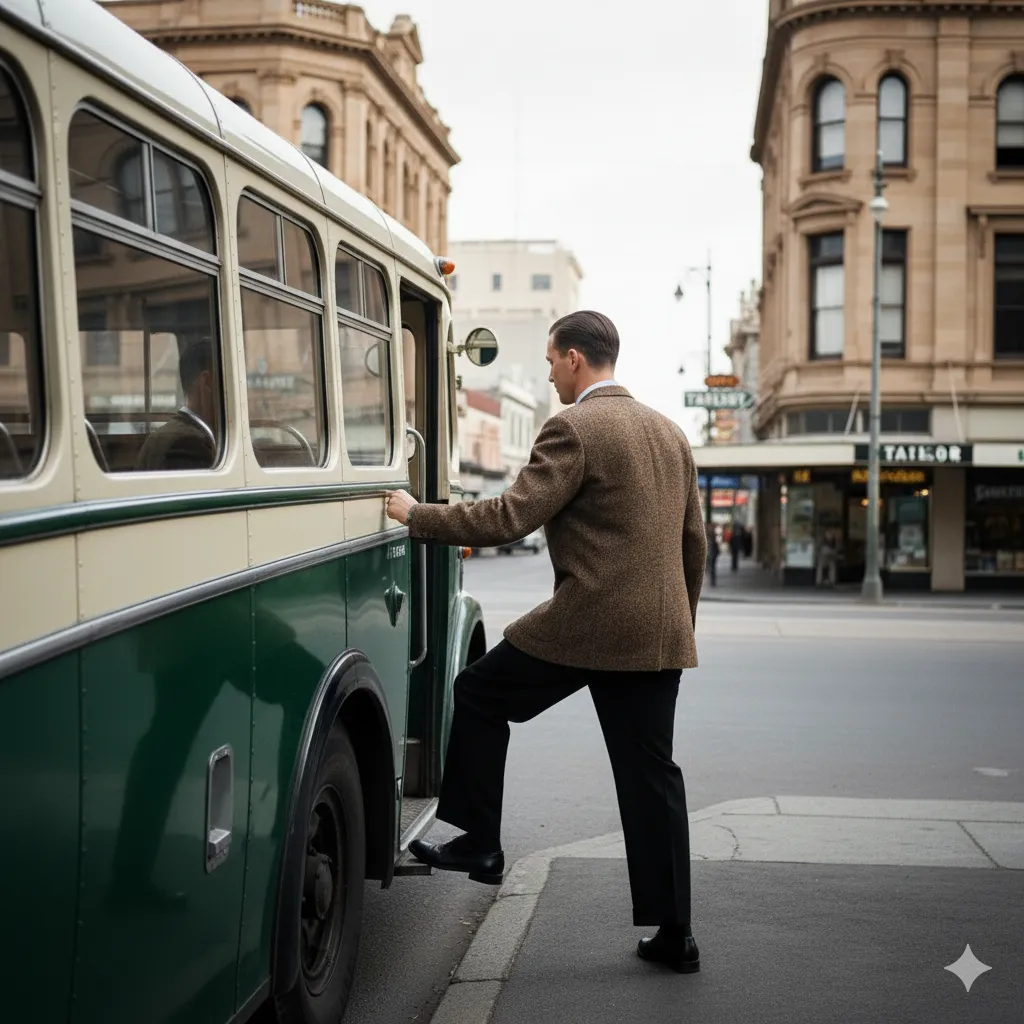
Among the few belongings left behind by the Somerton Man, a bus ticket stub was found. Police have stated that he boarded a bus bound for Somerton Beach (towards Glenelg) from the bus stop in front of Adelaide Station. However, there are no eyewitness accounts of him being on the bus. The fact that it was a bus ticket stub means it was “used.” However, no physical matching was performed to physically match the cut end of the ticket found in the victim’s pocket with the ticket stub (copy) left in the booklet on the bus. It is only a hypothesis that the Somerton Man took the bus to the beach. The Somerton Man’s whereabouts disappear after he checked his luggage at the baggage claim at Adelaide Station at 11:00.
Piece 4: Where was Carl Webb?
Carl Webb became isolated from his family and circle of acquaintances, and his whereabouts became unknown, starting in April 1947. Since then, his whereabouts have been unknown. Rumor has it that he was searching for his wife in Adelaide. However, for approximately 19 months until his death on December 1, 1948, there are absolutely no records of his residence or employment.
“Where was Carl Webb for 19 months without a job or a place to live?”
His name is known, but he remains a mysterious figure whose whereabouts and activities during those 19 months are completely unknown.
Piece 5: Why did they conceal their identity?
The person who killed the Somerton Man went to the trouble of removing the labels from his clothes. This was a clear indication of their strong desire to conceal his identity. However, they didn’t discard personal belongings like train tickets or cigarettes, which could potentially reveal his identity. If they truly wanted to hide his identity, nudity would have been the most effective and easiest method. Yet, they went to the trouble of removing the labels. This suggests a perplexing motive: to conceal his identity while still maintaining his clothing.
“What does this mean?”
It means that showing the clothing was more important than the body itself.
“Why would showing the clothing be more important than the body?”
The only reason is to make people mistakenly believe that the Somerton Man was the person who wore those clothes.
In other words, the Somerton Man was a stand-in for someone else. The fact that the Somerton Man’s clothes weren’t disheveled also suggests that the clothing was more important.
Piece 6: Hidden Pocket
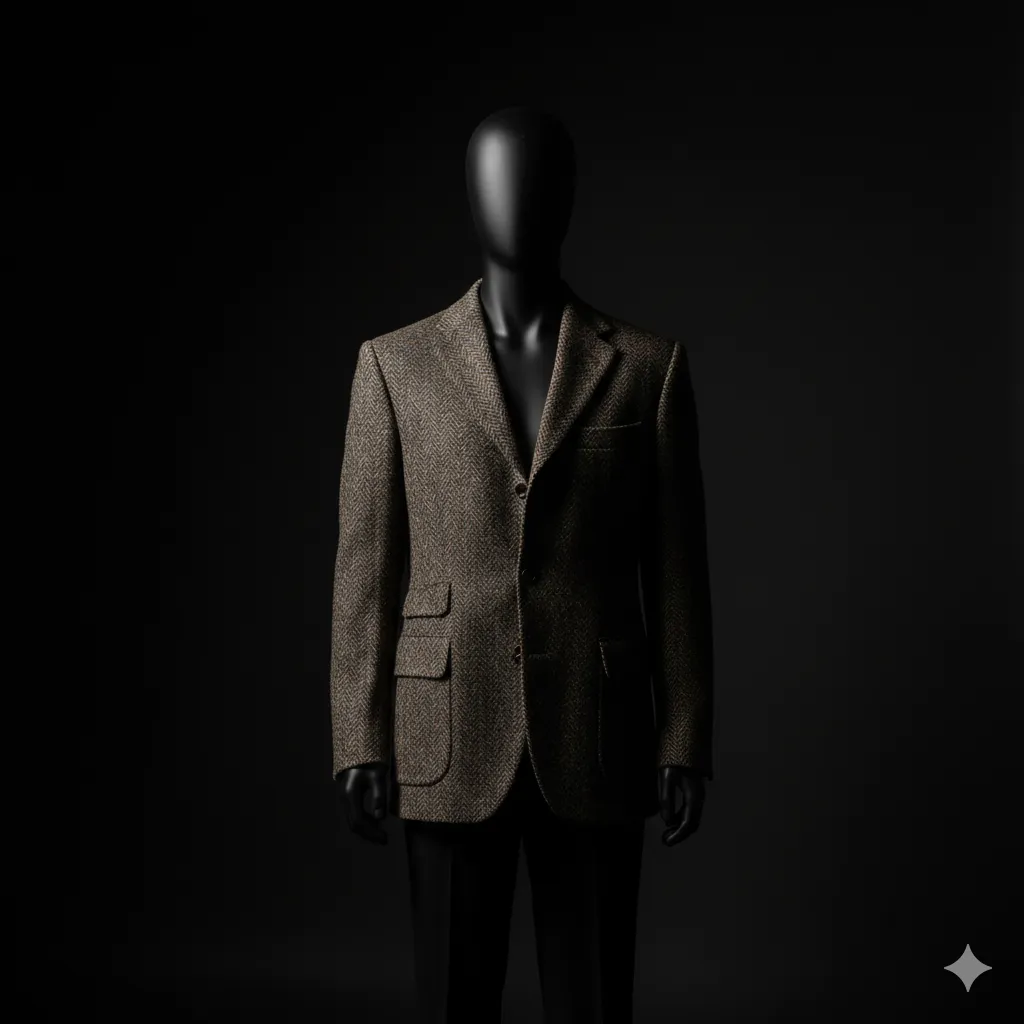
If the Somerton Man was someone’s stand-in, what was the purpose of that hidden pocket? There’s no apparent reason for an ordinary person to bother creating a hidden pocket. At best, it would be for a secret stash of money. However, what was found in the hidden pocket was a piece of paper printed with “Tamam Shud.” It was a piece cut from the Rubaiyat. The combination of a hidden pocket and a mysterious piece of paper immediately brings to mind the word “spy.”
Creating a hidden pocket in one’s clothing, disguised to be easily detected, and concealing a coded piece of paper inside—no matter how you look at it, it only makes sense if the person is a spy. Therefore, there’s a very high probability that the owner of the clothes the Somerton Man was dressed in was a spy.
Piece 7: Who checked in the brown suitcase?
The orange linen thread found inside the brown suitcase was proven by the police to have been used to sew up a hidden pocket. In other words, it belonged to the owner of the clothes Summerton Man was wearing. This means that the person who appeared at the baggage claim at Adelaide station on November 30th was this spy.
Piece 8: Why did I check my suitcase? Why was I wearing so many layers of clothing?
It seems we’ve reached the most difficult part of this mystery. When this puzzle is solved, all the pieces will fall into place.
At first glance, this doesn’t seem like a mystery at all, but the reasons for both are contradictory; choosing one means sacrificing the other, and there’s no reason to satisfy both.
…But I’ve found the one condition that solves it.
The climate of Australia, located in the Southern Hemisphere, is the exact opposite of that of the Northern Hemisphere. December in the Southern Hemisphere is early summer. Temperatures reach 28°C to 30°C. The clothes the Somerton Man was wearing were too thick for this time of year. Early summer is warm enough to wear just a shirt. Therefore, there’s no reason for someone living in Australia to wear such thick clothing. This attire indicates that the person was a foreigner, and moreover, from the Northern Hemisphere.
He arrived at Parafield Airport from either England or America. His thick clothing is the same as when he left the Northern Hemisphere. At that time, Parafield Airport was within walking distance of Parafield Station. I got off the train at Adelaide station and, around 11:00 AM on November 30th, I left my brown suitcase at the station’s baggage storage.
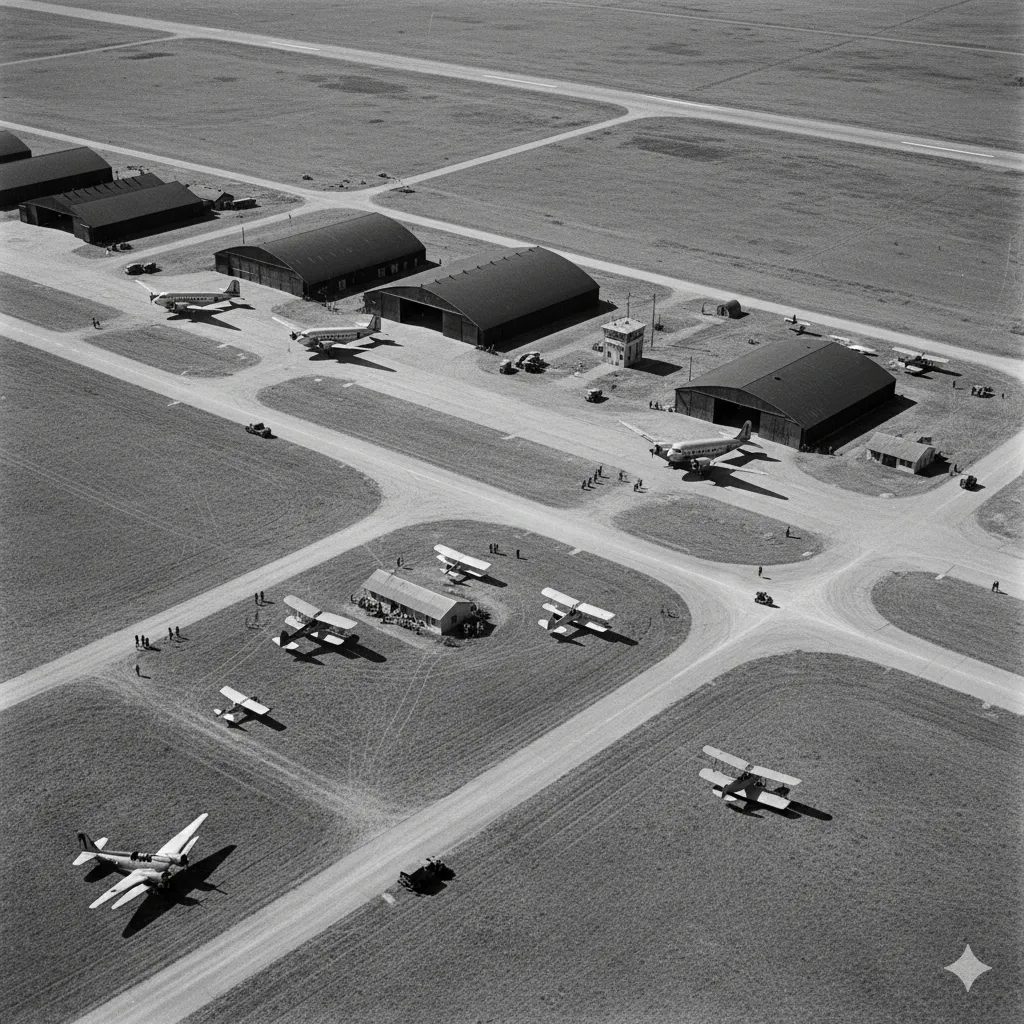
“Let’s stop for a moment. Please read it carefully again.”
“What do you think? Have you noticed anything odd here?”
“Have you noticed that there’s no reason for him to check in his suitcase?”
“He’s a spy. Would he check in a suitcase containing his tools of the trade when he’s about to begin espionage?”
It’s a suitcase he specifically brought all the way from his home country by plane. Moreover, it contains a change of clothes. Since he’s wearing thick clothes despite the high temperature, he must want to change as soon as possible. There’s no reason for him to check in his suitcase at the baggage check-in counter without even changing his clothes.
For example, if someone had confidential documents in a suitcase and wanted to secretly deliver them to an agent in Australia, they could use a train station baggage storage facility as an intermediary. However, the suitcase only contained ordinary spy gadgets. Therefore, I couldn’t find a reason. Changing clothes would be the priority, so checking it in was impossible. I hit a wall here, and at one point, I almost gave up on solving the mystery.
“And then I found only one reason why he would check in his suitcase.”
“…What do you think it is?”
“Have you figured it out already?”
“That’s right. He wasn’t someone who had just entered the country; he was someone who was about to leave.”
His heavy clothing was a pre-arrangement because his home country is in the Northern Hemisphere, so he wouldn’t need to change clothes. The contents of his suitcase were for espionage, so he wouldn’t use them in his home country. That’s why he left them at the train station’s baggage storage.
He intended to return to Australia some time later to retrieve his suitcase. If he had no intention of ever returning, there were many other ways to dispose of it. The fact that he left it there indicates his intention to retrieve it eventually.
This Piece 8 is significant. Up until now, we’ve focused on an outsider, but the real culprit was an insider. In other words, the spy returning to Britain or America was the true identity of the Somerton Man’s double.
Piece 9: Countdown in the Cold War
The discovery of the Somerton Man on the Adelaide coast marked a highly unstable and dramatic turning point: the smoke from the unprecedented tragedy of World War II was finally beginning to subside, while the world was embarking on a new, invisible conflict known as the Cold War.
In August 1945, the atomic bombs dropped on Hiroshima and Nagasaki divided human history into a “pre-nuclear” and a “post-nuclear” era. In 1948, the United States reigned as the world’s only nuclear power, but its superiority was nothing more than a castle built on sand.
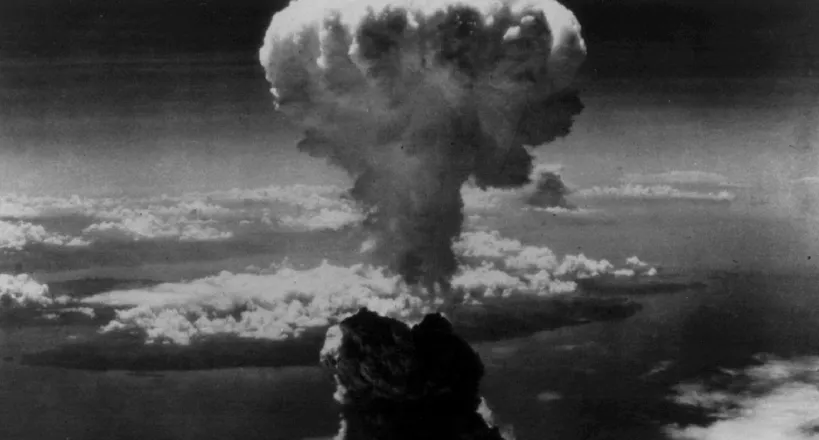
This was because the Soviet Union, the leader of the Eastern Bloc, was pursuing nuclear weapons at a frenzied pace. 1948 was a critical point in the path leading to the Soviet Union’s first nuclear test (RDS-1) in August 1949. Stalin’s top priority was to seize Western technology, along with its “brains.” Ballistic calculations, electronics, and rocket engineering—the formulas etched into the minds of scientists were the only hope for determining the outcome of the next war.
Why did Australia, in the Southern Hemisphere, seemingly at the ends of the earth, become the main battlefield for “nuclears and rockets”? The answer lies in its vast desert and its blood ties to its “motherland,” Britain. After the war, Britain was rapidly developing its own nuclear armament and missiles.
However, the small island nation lacked the space to launch massive rockets and the wilderness to conceal the traces of nuclear weapons. The area that was chosen for this project was the vast plains stretching from Western Australia to South Australia.
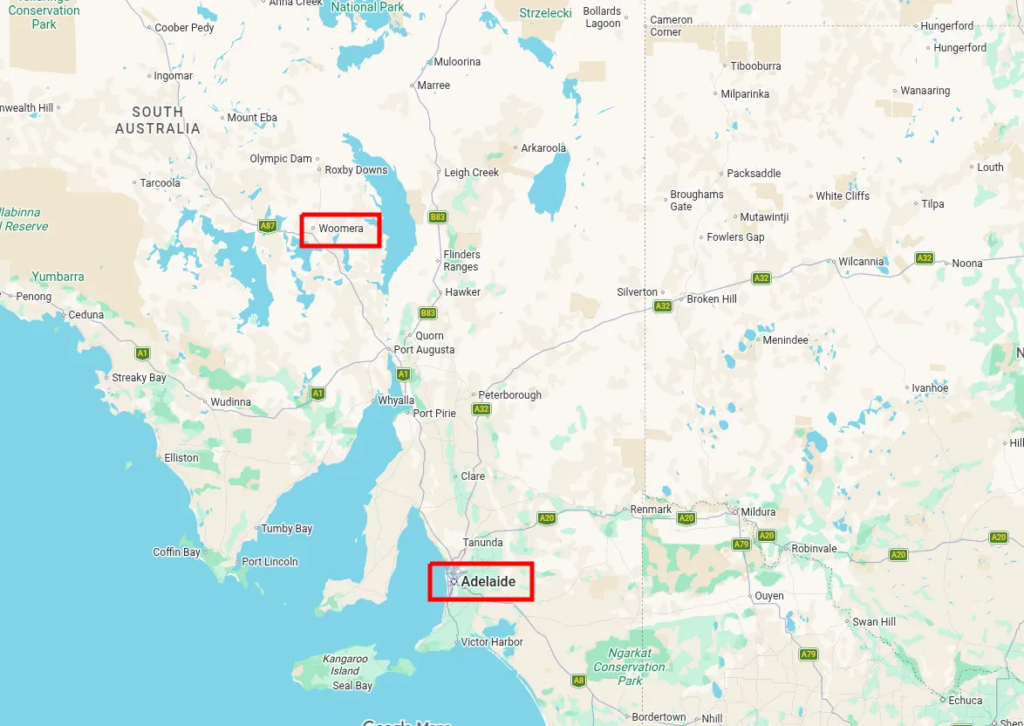
In 1947, the Woomera Range was established approximately 500 kilometers northwest of Adelaide. This became the heart of military technology crucial to the resurgence of the British Empire, and simultaneously a “secret sanctuary” where the most advanced technologies of Western nations converged. By 1948, Woomera was more than just a facility; it was an intelligence hub where spies from around the world kept their ears open.
During this period, Western intelligence agencies (such as the predecessors of ASIO and MI5) were beginning to realize a terrifying fact: highly classified Australian information was being systematically leaked to Moscow.
This was discovered by “VENONA,” a top-secret project dedicated to intercepting and deciphering Soviet encrypted communications. In 1948, the codebreaking team was identifying a Soviet spy network—commonly known as the “K Group”—operating within diplomatic facilities in Adelaide and academia in Melbourne.
As the Western encirclement tightened, the East feared losing its assets (spies and engineers) to an extreme degree.
For them, the capture of anyone with classified information by the West was more terrifying than death itself. In November 1948, the atmosphere in Adelaide was not merely the heat of summer. It was a countdown to an “exposure” that could explode at any moment.
Piece 10: The “Reasons” Why It’s Dangerous
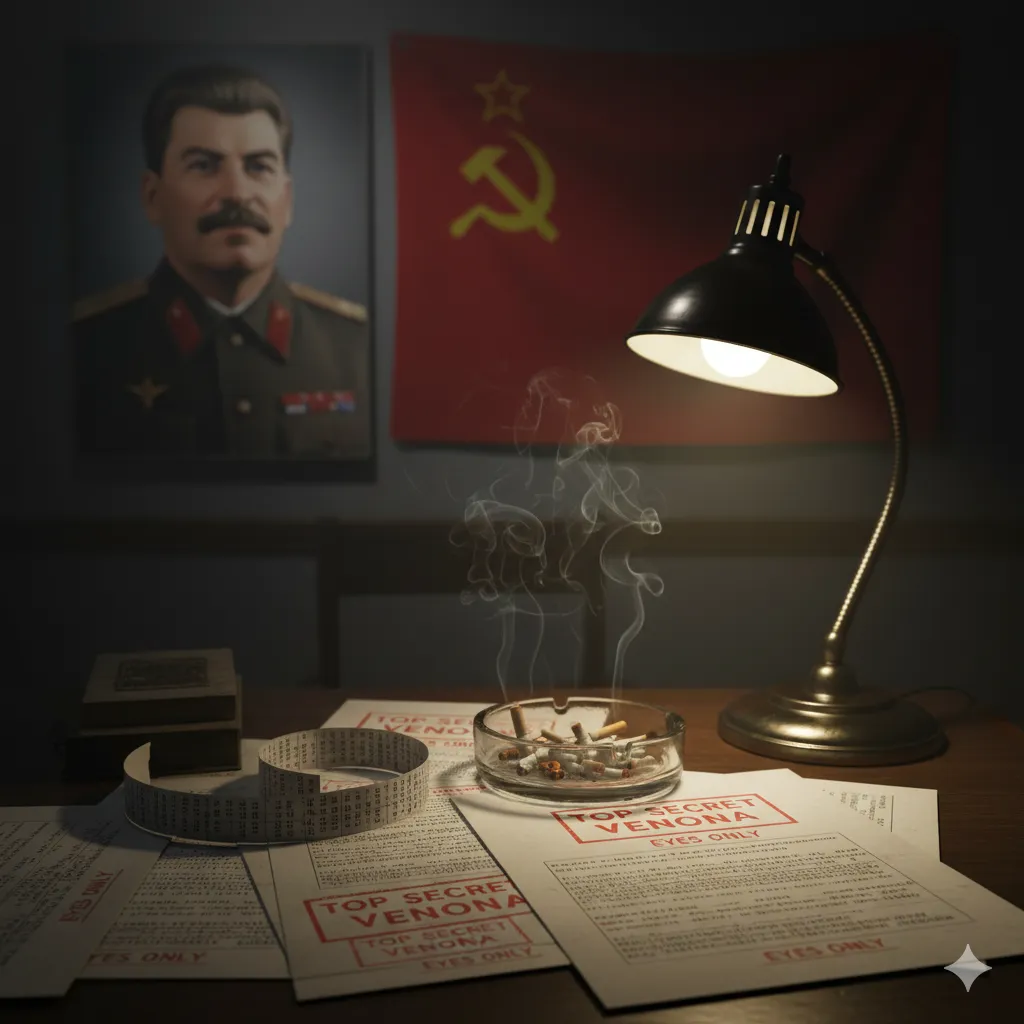
The Venona Project, this top-secret program, uncovered facts that were nothing short of a nightmare for the Western world at the time. Imagine the shock that gripped the Western intelligence community, including Australia, in 1948. It was a shock that reshaped post-war history.
Venona demonstrated that Western classified information was being leaked to the Soviet Union. It revealed that Klaus Fuchs, a German physicist in exile who was involved in the American atomic bomb development program, the Manhattan Project, had handed over the atomic bomb’s blueprints to the Soviet Union.
Furthermore, it confirmed that Julius and Ethel Rosenberg were acting as intermediaries in a spy network. The existence of these three individuals dramatically altered the balance of nuclear deterrence in the early Cold War and became a critically important historical turning point that ignited the “Red Scare” in American society.
The fact that Soviet agents included not only low-level technicians but also high-ranking State Department officials such as Alger Liss and Harry Dexter White, Assistant Secretary of the Treasury and a figure deeply involved in the establishment of the IMF (International Monetary Fund), among other elites close to the White House, shocked American society.
What Venona revealed was the astonishing “other side” of her collaborators. It wasn’t just government officials and scientists; many were “ordinary people.” They were just ordinary people like “Foreign Ministry employees,” “typists,” and “engineers.”
Reason 1: Comrade
For people in 1948, the memory of World War II was still vividly imbued with the scent of blood. What’s important here is that, for many citizens of Western countries at the time, the Soviet Union was not a “terrifying dictatorship,” but rather a “savior that defeated the absolute evil of Nazi Germany.”
Reason 2: Conflict
In the 1940s, communism captivated the highest intellectuals not merely as a political ideology, but as “the ultimate science that unravels the inevitability of history.”
Especially among the elite at universities like Cambridge and Oxford, capitalism was viewed as a “flawed product that repeatedly brought depressions and wars.” Having experienced the golden age of the 1930s, the mass unemployment caused by the Great Depression was nothing less than a death sentence for capitalism. In contrast, the Soviet Union’s planned economy and five-year plans appeared as a “bright future” that would liberate humanity through rationality and science.
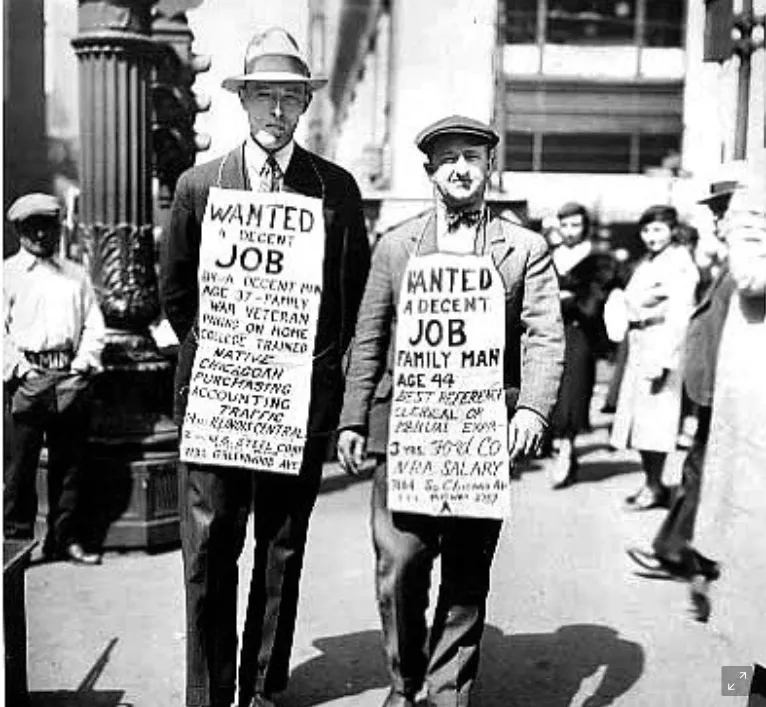
This “intellectual aspiration” permeated the general public, and for professionals such as nurses and engineers, communism appeared as a “prescription for saving people from ignorance and poverty.” In this era of nuclear weapons, people faced the fear that “the framework of the nation-state would destroy humanity.” While many intellectuals, led by Einstein, advocated for the necessity of a world government, the international solidarity of communism seemed like a means to protect the “interests of all humanity” beyond national borders.
The idea that America’s nuclear monopoly would lead to war.
The idea that providing information to the Soviet Union and maintaining a military balance would lead to true peace. This “perverse pacifism” became a powerful ethical justification for engineers leaking classified information.
Reason 3: Chosen consciousness
The 1940s were a far more closed society than today, where individual behavior was bound by strict norms. In that context, immersing oneself in underground activities was a magical transformation of ordinary life into a dramatic “front line of history.” The feeling of holding a “truth” unknown to anyone else, of one’s every action influencing the fate of the world, of being connected to unknown comrades through “codes”—
This “sense of chosenness through shared secrets” held a drug-like allure for workers who felt alienated from society and for oppressed women. If Jessica Thompson’s connection to Somerton Man through the Rubaiyat was indeed a love affair, it may not have been a mere adulterous romance, but rather a deep bond as “the only confidant sharing a secret that could change the world.”
In 1948, ordinary citizens’ cooperation in espionage was never driven by “money” or “coercion.” It was the result of a pure, and therefore dangerous, passion—a willingness to stake one’s life on “the grand experiment called communism.”
They believed in the collapse of capitalism, viewed the Soviet Union as a “prototype of the future,” and genuinely dreamed of the salvation of humanity. However, the price of that dream was that they erased their own names, tore off their labels, and forever lost part or all of their lives.
The essence of the Somerton Man case is not merely the mystery of one man’s death, but a process in which ideals are betrayed by reality, a tragic story of an individual’s soul being crushed by the cogwheels of a vast ideology.
Piece 11: The Substitute Vessel
The only time he (the spy returning to the Northern Hemisphere) appears in this mystery is around 11:00 AM on November 30th, when he leaves his suitcase at the baggage claim at Adelaide Station. This single clue is the only way to find him. The next moment, he is kidnapped and replaced by a double named Carl Webb. This is a fact. “What does this indicate?” “Now, let’s begin to unravel his true nature, piece by piece.”
Verification: High Value
The primary motive for kidnapping civilians is almost always to demand ransom. However, in his case, a substitute was prepared. This suggests that his value is higher than a human life.
Verification: Reasons for the scapegoat
Possibility 1: Confidential documents
If he possesses important confidential documents, then simply taking those documents from him would suffice. There are various ways to deal with him afterward. There’s no reason to go to the trouble of preparing a scapegoat.
Possibility 2: Confidential information
If he possesses important classified information, then we can extract it from him through some means (such as torture). Since he’s a professional in the intelligence department, he won’t be able to escape. And the subsequent punishment is easy to imagine.
Possibility 3: Double agent
Retaliation for betrayal during espionage is a common spy story. This happens when the person is a double agent and betrays their target. In this case, there is a reason to kidnap and kill them, but it is common for the body to be brutally dismembered and displayed as a warning to other traitors.
Possibility 4: If he himself is needed
When his abilities themselves are of extremely high value, his life is protected as a top priority. If he were a core figure in the technology the Soviet Union needed most, he could be replaced with a scapegoat, recalled to the Soviet Union, and allowed to work on nuclear weapons development at a research institute in his home country. Bringing a living human being to the Soviet Union would allow for long-term advancements in technology. That would be of immeasurable value.
By 1948, the Soviet Union had reached the final stages of nuclear weapons development, but rocket technology development had only just begun. If they could mount a nuclear warhead on a rocket, its destructive power would be immeasurable. Of course, Stalin wanted to develop long-range ballistic missiles capable of reaching all of Europe, and ideally the American mainland, as quickly as possible, faster than the Western nations. Of the four possibilities, the fourth is clearly the most likely. There is no other reason to prepare a scapegoat.
Piece 12: A match with zero probability
“Was such an important figure even available at that time?” His requirements were: possessing extremely high levels of knowledge and experience in rocket development; being expected to cooperate with the Soviet Union in the future if recalled; and being a free person at the time, making kidnapping easy, or not being under strict surveillance.
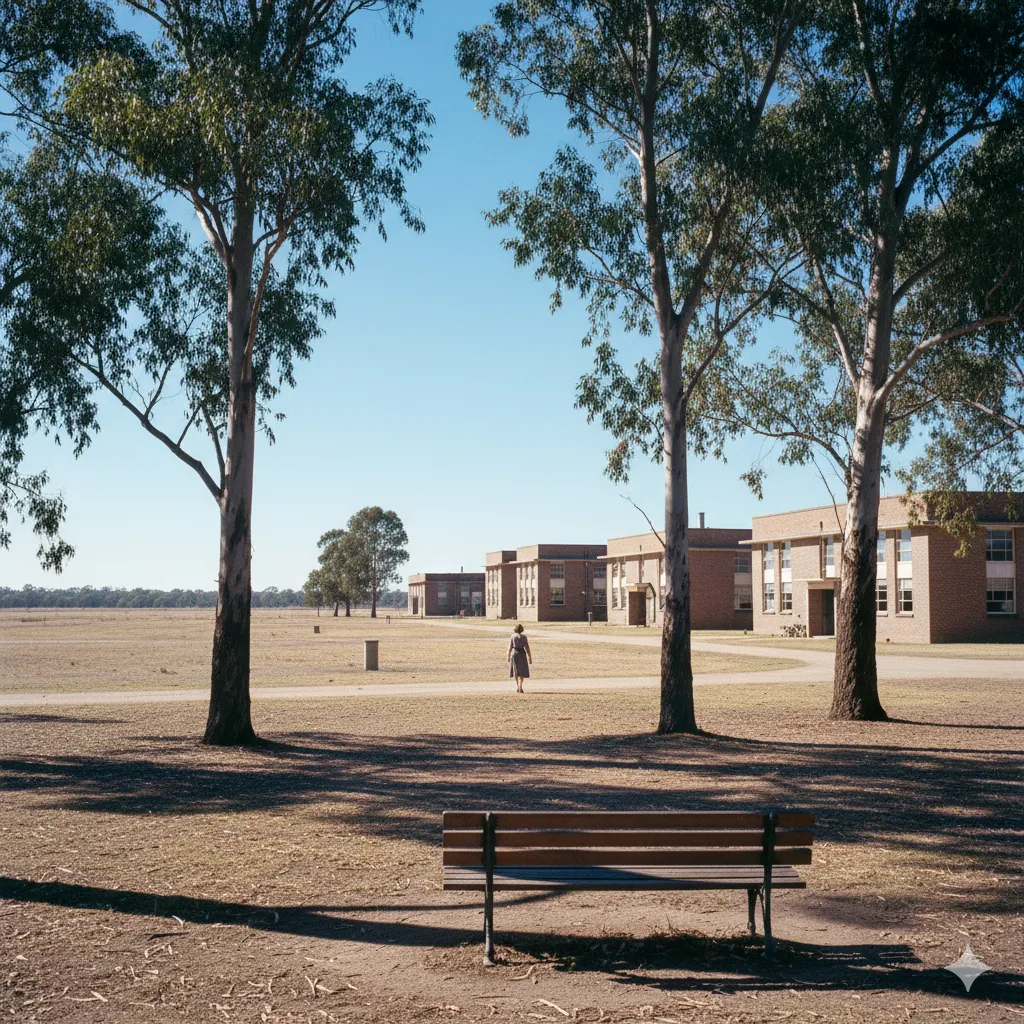
The Woomera Test Site’s administrative headquarters at the time was located at the Long Range Weapons Laboratory (LRWE) in Salisbury, about 20 km north of Adelaide. Naturally, Woomera’s data and blueprints were all located at the LRWE. It was “a place where the world’s most advanced technology and secrets lay dormant.” I obtained records from that time and thoroughly investigated whether any engineers working there had gone missing, but there were no official records or reports of any LRWE staff going missing around November 30, 1948. However, I did track down one person who had retired a few days earlier and had not been seen since. That was “Mr. S.”
Piece 13: “Mr. S”

Police in South Australia and other states compared the characteristics of all missing persons and bodies reported between November and December 1948, but found no match. Naturally, Woomera and the Long Range Weapons Laboratory were also investigated. However, I found a noteworthy and suspicious fragment of record that strengthens the “body double” theory. It concerns a British ballistics expert (pseudonym: Mr. S) who resigned in November 1948 for “health reasons.” He has no record of leaving Parafield Airport and has been missing ever since. Here, I will examine whether he is the kind of person who would arrange a body double, comparing it to the aforementioned “zero-possibility match” conditions.
Value: Possessing extremely high levels of knowledge and experience in rocket development.
Mr. S is a specialist in ballistics and fluid dynamics from the Royal Aeronautical Institute (RAE) in Farnborough, England. He specializes in ballistic control of missiles in the supersonic range and calculations of the propulsion efficiency of solid-fuel rockets. These are the “heart” technologies of the long-range ballistic missile development that was about to begin in Woomera at the time. In early 1948, he was dispatched by the British government to the Long Range Weapons Laboratory (LRWE) in Salisbury as a “technical advisor,” arriving at Parafield Airport by military aircraft. Mr. S’s value is top-notch.
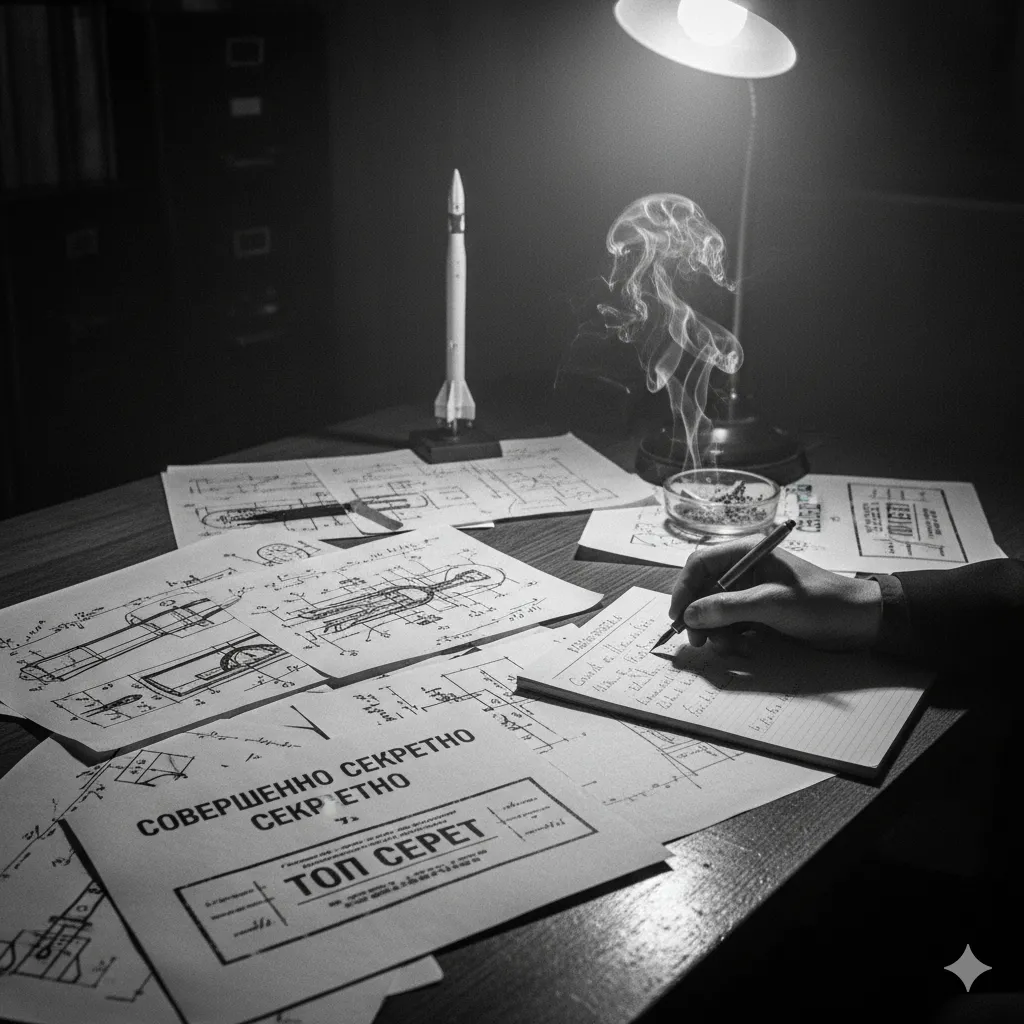
Cooperativeness: The expectation that cooperation will continue in the future even if recalled to the Soviet Union.
The fact that he was carrying a piece of paper with “Tallam Shet” written on it in a hidden pocket, and the contents of his brown suitcase suggest he was an Eastern Bloc spy. Therefore, he can be considered cooperative. “Mr. S’s” value is immeasurable, as it increases not temporarily but in proportion to time.
Difficulty: At this stage, the person is free and easy to kidnap.
Official records state in the personnel file that he “resigned on November 25, 1948, for health reasons. Returned to the UK immediately.” Having retired from the Long-Range Weapons Research Institute, he would have vacated his residence within the institute, making him a free individual. The difficulty level is low.
Presence of enemies: The target is not under close surveillance.
This is the biggest reason why the Somerton Man case occurred. Mr. S was highly likely to have been under close surveillance by Western intelligence agencies. This is because there is no need for a scapegoat for someone who is not under Western surveillance.
Piece 14: Temperature difference
The news that Mr. S had resigned on November 25, 1948, for health reasons, shocked intelligence agencies on both sides. This was because he was now free. This had completely opposite implications for the East and the West. He was an expert in ballistic control of missiles in the supersonic range and calculations of the propulsion efficiency of solid-fuel rockets, representing the cutting edge of technology at the time. His intellect and experience were a threat to both sides. The moment he was released, securing him became a top priority for both sides, because neither wanted to let the other have him.
It was in this struggle that the Somerton Man incident occurred. For Western intelligence agencies (MI5: Security Service), handing over the information he possessed to the East (Soviet Union) would not only fail to threaten the nuclear superiority of Western nations, but would directly give the East an advantage. At that time, the West had not yet completed the development of its rockets. Being the first to load ballistic missiles with nuclear warheads would put them in a position of global hegemony. They absolutely had to secure him.
If they let him escape, the Eastern Bloc’s rocket technology would likely advance dramatically. MI5 had the last resort of eliminating him rather than handing him over to the East. However, that was a last resort; they hoped to keep him alive and have him contribute to future research. Therefore, they probably had a more relaxed approach, perhaps contacting him in their home country after he left Australia to request his cooperation. However, the Eastern Bloc’s intelligence agency (MGB: Soviet Ministry of State Security) had a different perspective.
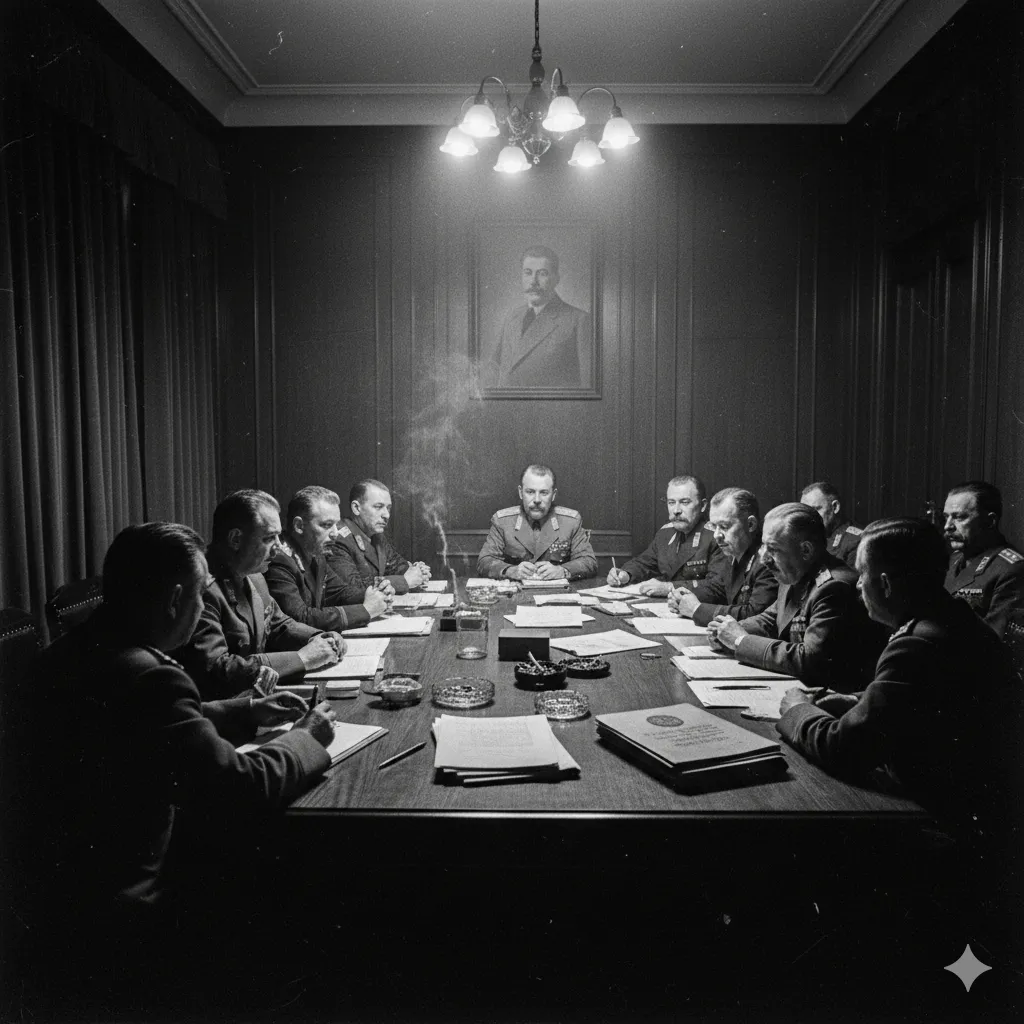
Mr. S was the person Stalin most desired. He was a Soviet spy and cooperative. He even leaked classified information. However, since he had left the Long-Range Weapons Research Institute, the classified information was gone. He might leave the country and return to Britain, and he might change his mind, and kidnapping him in Britain would be difficult. Therefore, the MGB made a decision: to kidnap him in Australia and send him back to Britain.
However, they couldn’t determine what strategy the enemy MI5 (British Security Service) would adopt. They considered the possibility of killing Mr. S immediately to silence him. The MGB absolutely had to avoid that. Therefore, they devised a decoy. If it was reported that “Mr. S is dead,” MI5 would conduct an identification process. This is because they had a last resort for silencing people: it was possible that someone within the organization had killed him for some reason.
The verification process would take at least one or two days. Furthermore, the body’s belongings included American-made cigarettes, gum, and American-made clothing. This raised suspicions of involvement not only from the MGB, but also from the American intelligence agency, Agency C. MI5 was thrown into disarray. During this time, enemy sabotage decreased, and they seized the opportunity to put Mr. S on a submarine offshore and repatriate him.
This difference in approach between the two sides, and the desperation stemming from the mere five days since Mr. S’s retirement, likely played a crucial role behind the scenes of the Somerton Man case. The fact that too much evidence was left behind, for an intelligence agency, proves that this case was hastily concocted. If there had been more time, it would never have come to our attention.
Piece 15: Carl Webb
The MGB (Soviet Ministry of State Security) was at its peak of desperation. Absolutely essential to this operation was a decoy for Mr. S. Without his physical presence, the enemy’s interference would be historically intense. “How could they hastily procure a single person? Is that even possible? If so, it must match the conditions of Carl Webb.” Let’s begin the investigation.
Condition 1: Body size that fits the clothing size
Neither the police investigation records nor the autopsy results for Carl Webb, the Somerton Man, reported any abnormality in the size of his clothing. It’s as if the clothes were a perfect fit, leaving no doubt that they belonged to Carl Webb himself. Carl Webb’s physique was remarkably similar to that of the man.
Condition 2: Missing person
A person found on Somerton Beach who wouldn’t be immediately identified, and with extremely loose family ties—this ideal scenario fits someone who has already disappeared, separated from their family circle. Carl Webb disappeared from his family in April 1947. Nineteen months have passed, and no missing person report has been filed. This means that no one will be looking for him for the foreseeable future, or even in the future.
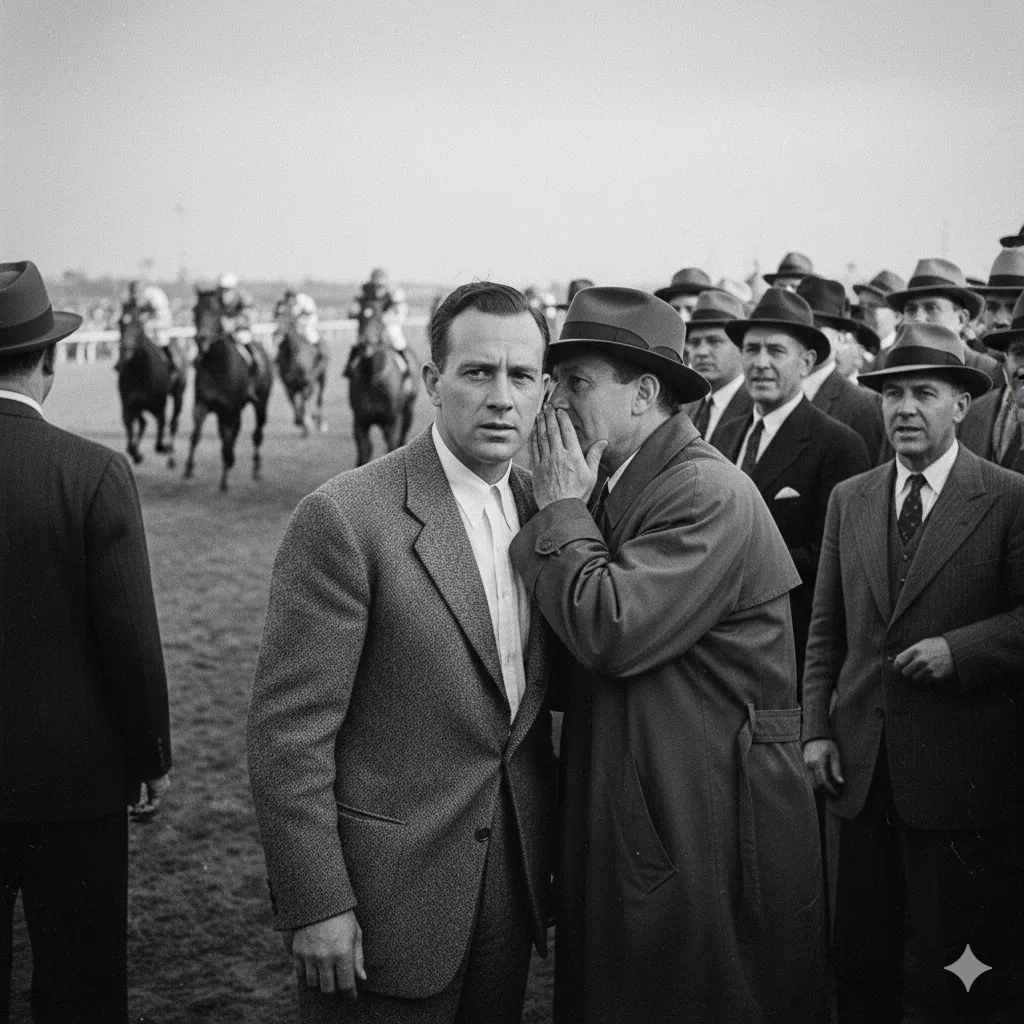
And there was a legitimate reason for him to disappear. That was the search for his ex-wife. Carl Webb’s hobby during his lifetime was horse racing. A racetrack is a place where many people intersect, but it is also a place where someone talking will never attract attention. The MGB was always looking for a body that could be used for this purpose. That’s when Carl Webb appeared. The agent became close to him, learned about his family and personal life, and decided that he could be used because no one would look for him if he disappeared, and there was a reason for his disappearance.
Condition 3: Can be procured immediately.
This line contains a chilling horror. The livestock we eat are raised so they can be slaughtered immediately when needed. Also, animals confined in cages can be killed or killed at will. One of these two possibilities is conceivable. However, if Carl Webb were imprisoned, he couldn’t be used as a substitute if his clothing didn’t fit. If we consider picking a body that meets the necessary conditions when needed, we would need to imprison dozens of people for it to function properly.
Imprisoning dozens of people like Carl Webb for several years would require operating a facility the size of a large prison. Moreover, it would have to be perfectly concealed in a foreign country. It’s absolutely impossible. “So, is there a way to create a system in a foreign country that allows for the picking up dozens of people at any time?”… The answer is animal husbandry.
Carl Webb was likely one of the people kept under the control of the MGB (Soviet Ministry of State Security). The fact that a replacement could be found so quickly suggests that they kept dozens of people under conditions closer to house arrest than outright imprisonment. So how could one person be kept under such conditions? My theory is that it involved a woman. A woman was assigned to Carl Webb, and they lived together in her residence. The MGB would pay her an allowance, and she would support the man. The man would be told “lies” to avoid going out as much as possible, such as, “You’ll be in big trouble if your ex-husband sees you.”
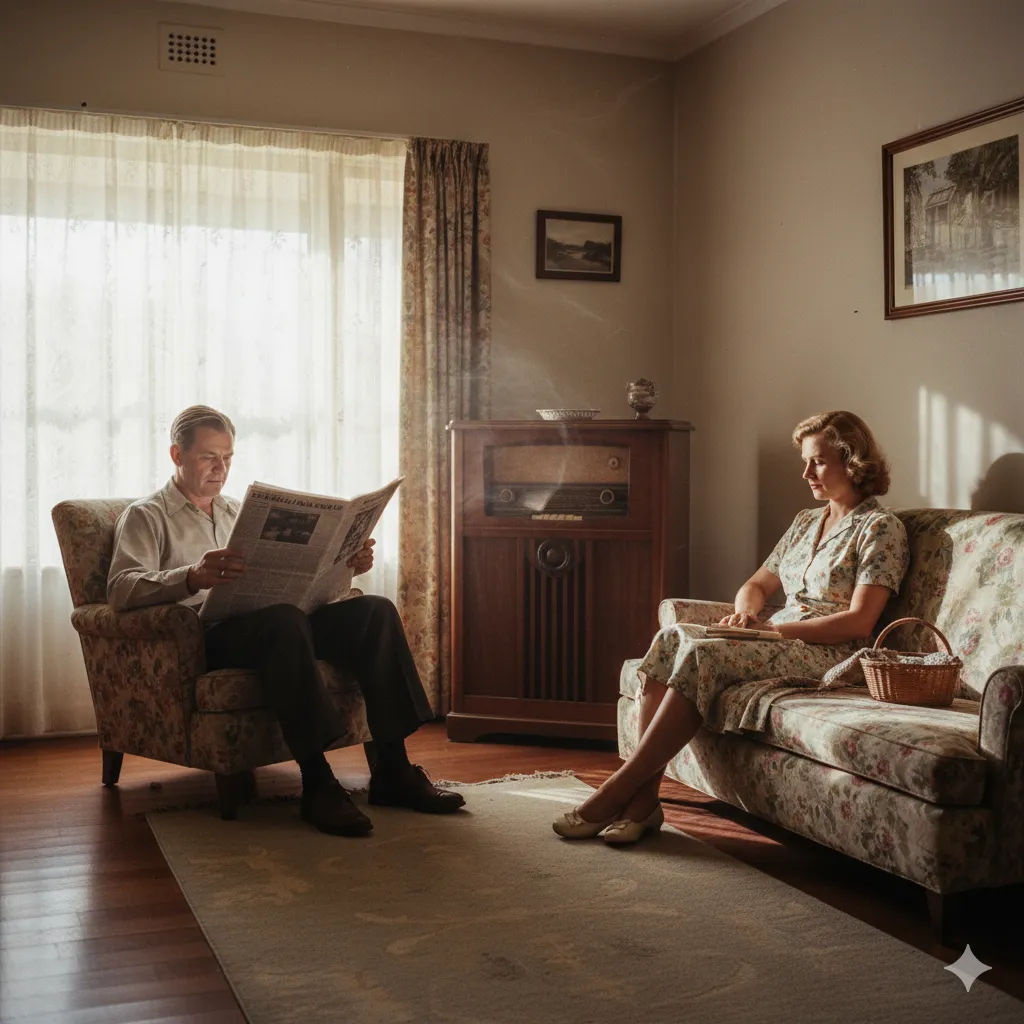
The MGB had countless manuals on this subject. The men would become like pimps, never leaving unless there was a very compelling reason. This kept costs down and required minimal cover-up. The sight of men and women coexisting was commonplace in society. Complete concealment was achieved by blending into the ordinary landscape. In 1948 Australia, there were many ordinary women willing to cooperate with the MGB. Outwardly, these were women with respectable jobs—office workers, typists, and nurses, for example.
“All the pieces are in place. …Readers who think that the Taram Sud slips of paper and the mystery of Jessica haven’t been explained yet are sharp. I haven’t explained them yet. Actually, they are connected to the Somerton Man case, but they are separate stories. I’ll resolve that later.”
“Can you fit all these puzzle pieces together completely and perfectly? This will require considerable imagination and patience, much like assembling a jigsaw puzzle. Let’s give it a try.”
The Cold War: a giant jigsaw puzzle
On June 28, 1948, at a Cominform (Communist Information Bureau) meeting in Bucharest, Romania, a shocking declaration was made: “The Communist Party of Yugoslavia has been expelled from the Cominform.” Western leaders at the time were stunned by this news, because Josip Broz Tito of Yugoslavia was considered one of the most fervent and loyal “disciples of Stalin” in Eastern Europe.
However, within the party, a fierce “clash of wills” was taking place, fueled by national pride and a desperate struggle for survival. The crucial difference between Yugoslavia and other Soviet satellite states (such as Poland, Hungary, and Czechoslovakia) lay in its “founding process.” While other countries were socialized “from above” by the Soviet Red Army, Yugoslavia had a strong sense of pride in having repelled Nazi Germany and liberated its country with its own hands, led by Tito’s partisan forces.
“We did not receive our country through the power of the Soviet Union. We won it with our own blood.” This pride was the spiritual pillar that allowed Tito to reject Stalin’s unjust orders. While Stalin considered the leaders of satellite states merely his “subordinates,” Tito considered himself a “comrade and equal partner.”
Far from yielding to the June 1948 declaration of his expulsion, Tito convened a Yugoslav Communist Party Congress, exposing the Soviet Union’s unjust pressure to the people. Stalin boasted, “If I flick my little finger, Tito will disappear in an instant,” but the Yugoslav people enthusiastically supported “hero Tito” who stood up against the mighty Soviet Union. Stalin’s little finger, far from eliminating Tito, elevated him to the status of a “national hero.”
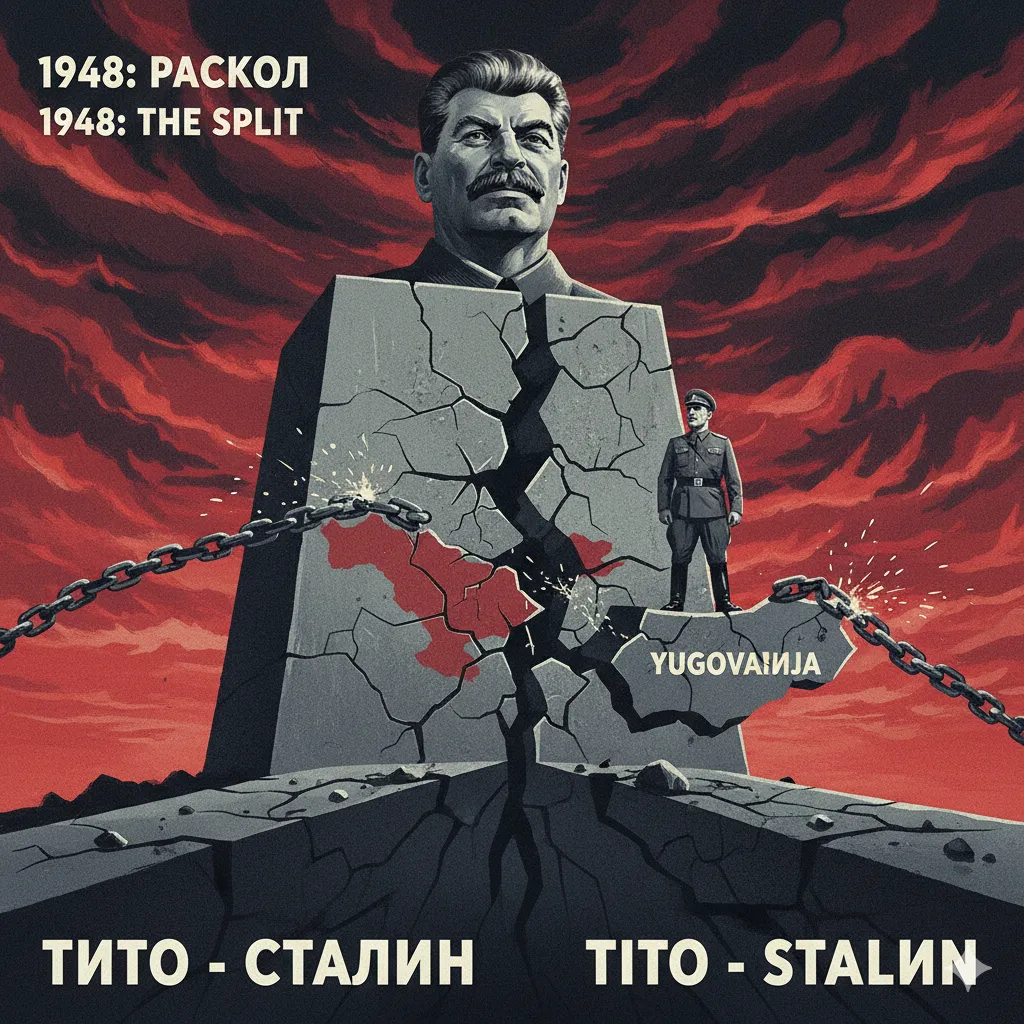
Following the breakdown, Stalin’s anger turned into madness. The MGB (Soviet Ministry of State Security) is said to have attempted multiple assassinations of Tito, using biological weapons, snipers, and even poison gas. This 1948 breakdown of Yugoslavia proved to the world that communism was not a “monolithic religion” but could be divided by national interests.
On November 25, 1948, news reached the intelligence agencies of both sides: A key figure, Mr. S, was retiring from the Long Range Weapons Laboratory (LRWE) in Salisbury. This meant Mr. S would be free. Mr. S was an expert in supersonic missile trajectory control and solid-fuel rocket propulsion efficiency calculations. This news shocked the intelligence agencies of both sides. It meant the fanfare of a scramble for Mr. S had begun.
For the West, his information was top secret. At the time, nuclear weapons development technology and rocket technology held such significance that they could drastically alter the global power balance. Western intelligence agencies, such as MI5 (the British Security Service), absolutely did not want to let him fall into the hands of the East. On the other hand, for the Eastern intelligence agency, the MGB (the Soviet Ministry of State Security), his information was more valuable than any treasure. This was because the Soviet Union had successfully conducted a nuclear test in August 1949. What they needed now was rocket technology, not nuclear development information. The Soviet Union was four years behind the United States in nuclear development.
The United States reigned as the only country in the world capable of developing nuclear weapons. The Soviet Union’s sense of crisis was immeasurable. The Soviet Union still led ideologically, but militarily it was losing. If nuclear development continued to lag behind, the gap between East and West would widen, and satellite states would secede like Yugoslavia. Stalin absolutely wanted to surround the Soviet Union with satellite states to ensure its security.
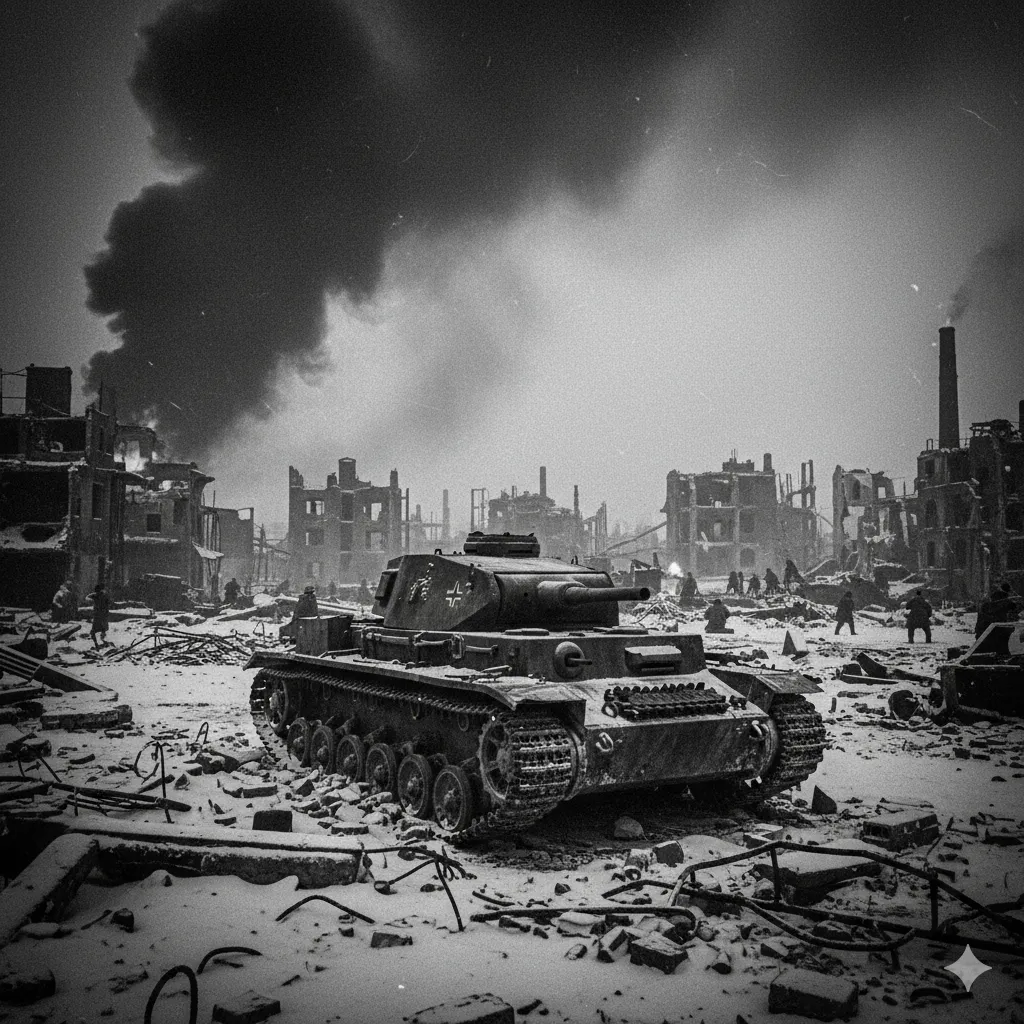
Stalin was unusually sensitive to this matter, stemming from his terrifying experience of being directly reprimanded by Germany. The Somerton Man incident occurred at a time when Stalin was grappling with the climax of the dilemma of Yugoslavia’s secedition—the beginning of its collapse as a satellite state—and the delay in its nuclear development. The repercussions reached even agents in Australia, far away in the Southern Hemisphere.
On November 30th, Mr. S left his home within the Long-Range Weapons Research Institute, carrying a suitcase filled with spy equipment. He was planning to return to his home country, England. Therefore, despite the slightly warm weather, he decided to dress for winter. He boarded a train at Salisbury station. After about 30 minutes, he arrived at Adelaide station and deposited his suitcase at the baggage claim. He headed to the Gola Line platform to go to Parafield Airport. On the way, he stopped to relieve himself in the restroom. At that moment, several burly men appeared and quickly seized his freedom.
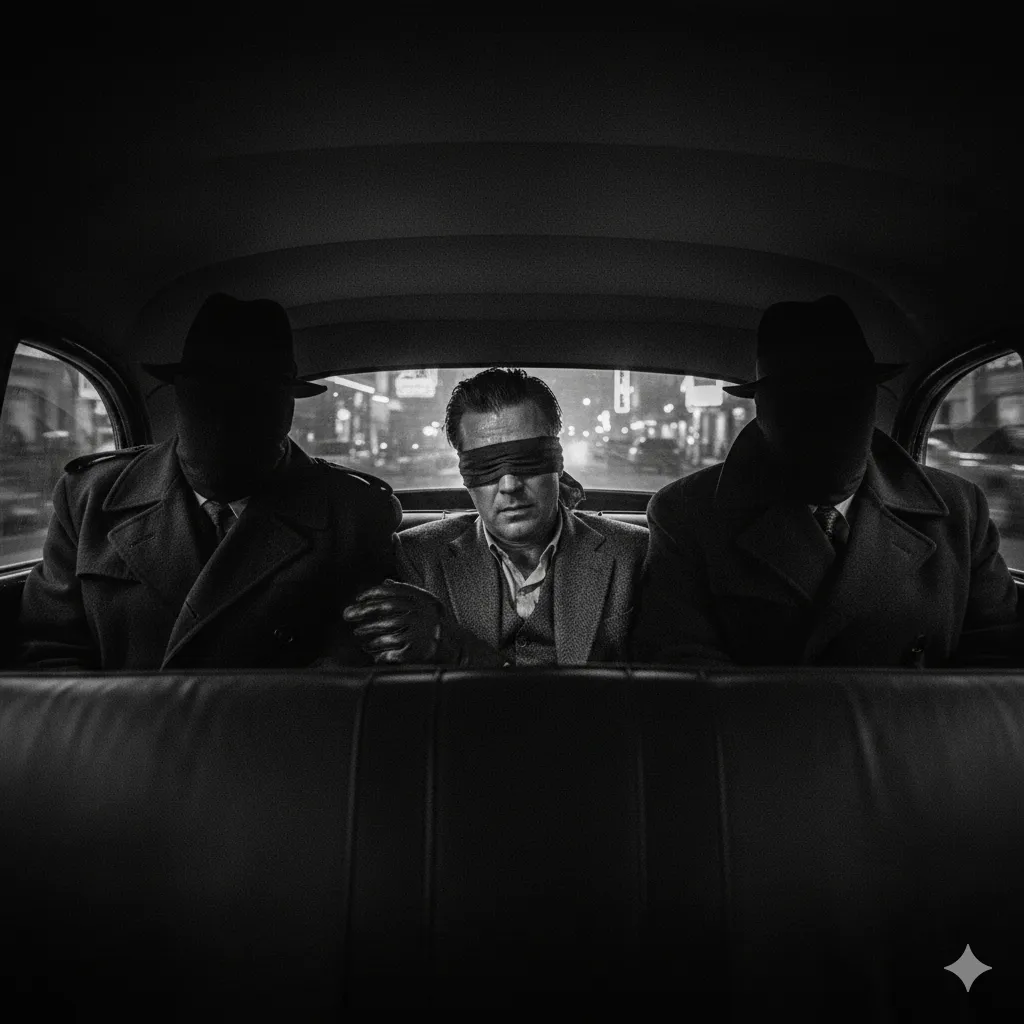
Before he knew it, he was in a car parked outside. It all happened in a matter of seconds. He was in the back seat, surrounded by the same men from earlier, and blindfolded. During this time, the MI5 agents had lost sight of Mr. S. It seems the MGB (Soviet Ministry of State Security) had cleverly abducted him, taking advantage of a moment when MI5 was blind. They took him to an MGB hideout near Somerton Beach. Mr. S, I believe, received an explanation from the MGB, but unlike the people he usually associated with, these were all agents he had never met before. Refusing the MGB’s demands would have been life-threatening, so he had no choice but to comply.
There, he was made to change clothes. He was given a black suit. Mr. S changed into it. His original clothes were taken away somewhere. He was more concerned with his fate than with his clothes. He had completely forgotten about the hidden pocket in his trousers. In another room, Carl Webb and the woman he was living with were waiting. She had been called to the hideout with Carl to prevent him from escaping. That way, Carl would feel safer coming along. The woman was to be disposed of later to silence her. Around 4 PM, Carl was given a British meal.
The purpose was to show the body to the British after the autopsy. At around 5 PM, Carl was given an anesthetic, and once he lost consciousness, his clothes were changed. The agents put Carl in a car and headed to Somerton Beach.
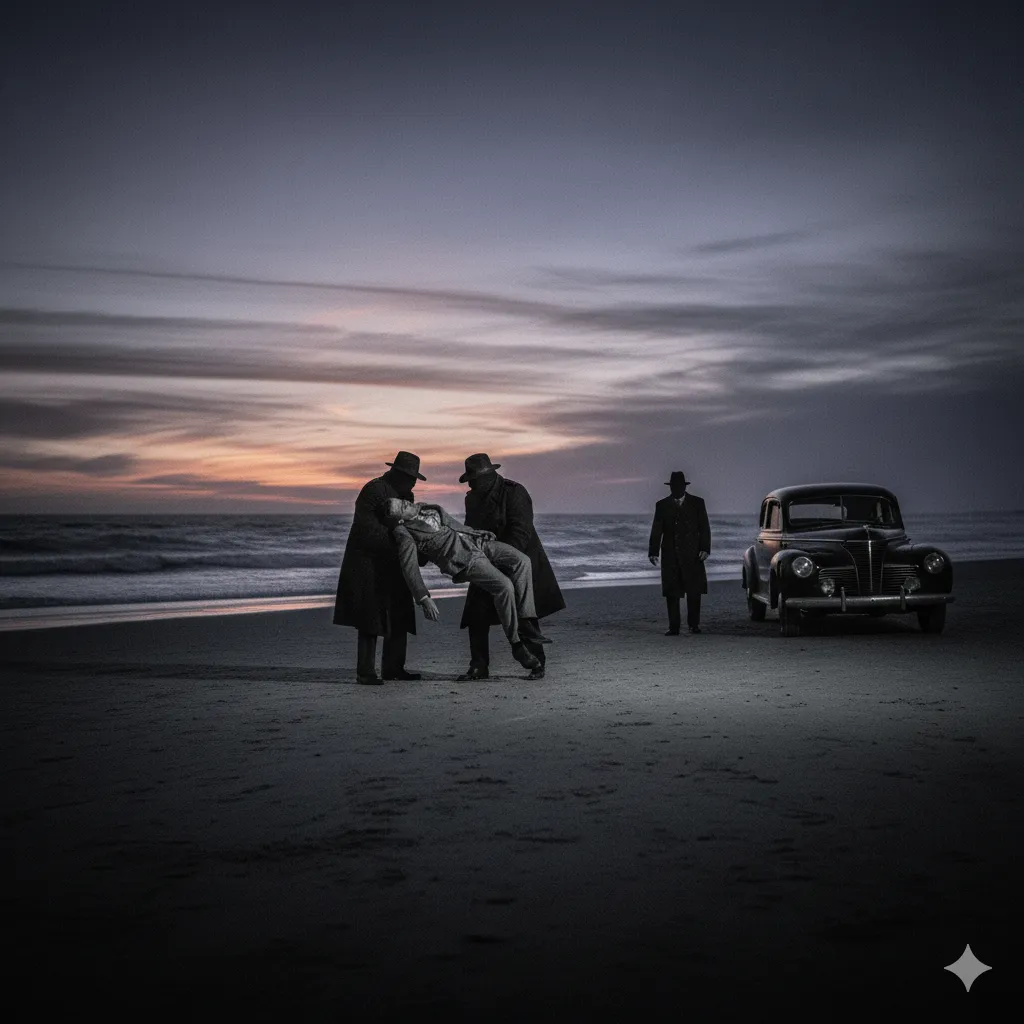
They arrived at the beach around 6 PM. They injected Carl with a lethal dose of poison in the car. Injecting in a densely hairy area would make the injection site undetectable. Waiting for a moment when there was no foot traffic, they laid Carl on the breakwater. They straightened his clothes, put a cigarette behind his ear, and placed the half-smoked cigarette near his collar. They lightly swept the sand to erase footprints and left immediately.
Carl Webb was placed on a visible beach so that he would be discovered quickly. He was sighted again at 7 PM and 8 PM, but no one reported him. Furthermore, at 7 PM, despite being anesthetized, Carl’s strong physique caused his body to react to the poison’s effects, and his arm rose. The MGB’s expectations were thwarted; Carl did not die easily. Carl was sighted again at 8 PM, but the presence of mosquitoes suggested he was still alive. In reality, he was likely either immediately after death or still on the verge of death. Ultimately, the fact that no report was filed that day was a miscalculation on the MGB’s part.
It seemed that MI5’s (British Security Service) sabotage hadn’t begun yet, but failure was not an option. So, they decided to postpone the operation for another day. The next morning, at 6:30 a.m., Carl was found. The police arrived, and the investigation finally began. It quickly became news and was reported. MI5 immediately thought that Mr. S had been murdered. However, since the reports were unidentified, they needed to confirm his identity. What was most shocking was his belongings. The contents of the box, which was labeled as a British brand, were American cigarettes. And, most notably, he had American chewing gum.
This was also evidence that Mr. S had connections with the United States during his lifetime. At the time, American-made chewing gum was only available to a limited number of people in Australia. It was only available to Americans, high-ranking military officials, and ship crews, and was not something that was generally in circulation. If it was available at the Salisbury laboratory, it was highly likely that he had contact with American agents. Confusion arose within MI5 (the British security service) because the possibility of involvement from both the MGB and the American intelligence agency, the CIA, emerged. The reason why the CIA’s involvement was suspected was because the United States also wanted rocket propulsion technology.

Just like the Soviet Union, it would be in the Soviet interest for Mr. S to come to America. At this moment, MI5 was paralyzed. That was the MGB’s aim. If Mr. S’s whereabouts became unknown, MI5 would frantically search for him and see through the MGB’s intentions. That was the plan to put Mr. S on a submarine anchored offshore at night and send him to the Soviet Union. To prevent this, they also worked with the Australian government to tighten coastal security and maritime reconnaissance.
In that case, escape would be extremely difficult. They absolutely had to get him on the submarine before they could arouse suspicion. That was the purpose of the decoy. Mr. S’s escape is believed to have taken place in the middle of the night on December 1st. A high-speed ship departed from somewhere on the coast and headed out to sea. It moved rapidly out to sea, creating white waves in the dark sea. On that ship was a person of national importance, who seemed resigned to his fate. A black object rose from the dark sea. It was a Soviet submarine. Mr. S quietly entered it.
Finally, I will report on the progress of rocket technology since 1948 and the individuals who were later awarded medals.
Until the late 1940s, Soviet rockets (R-1, R-2) were merely improved versions of Germany’s V2. However, a sudden transformation was seen with the R-5 (SS-3 Shyster), whose development began in 1950 and whose first flight was in 1953. The range of the V2 and R-1 was approximately 300 km. Even the R-2 had a range of about 600 km. However, with the R-5, the engine structure was dramatically refined, and the range jumped to double (1200 km).
The R-5 evolved into the world’s first ballistic missile (R-5M) capable of carrying a nuclear warhead. Just a few years after the successful nuclear test in 1949, they had perfected extremely advanced ballistic calculation and propulsion control technology, integrating nuclear and rocket components. This was far too rapid a development speed to have been achieved solely through independent efforts (or solely by existing German engineers).
The R-7, the world’s first ICBM, began design in 1954. Its most distinctive feature was its “radio-corrected guidance,” which boasted astonishing accuracy for its time. At the time, the theory of radio guidance and ballistic calculations was the most confidential area in the guided missile programs being developed at the Royal Aeronautical Institute (RAE) in the UK and Woomera in Australia.
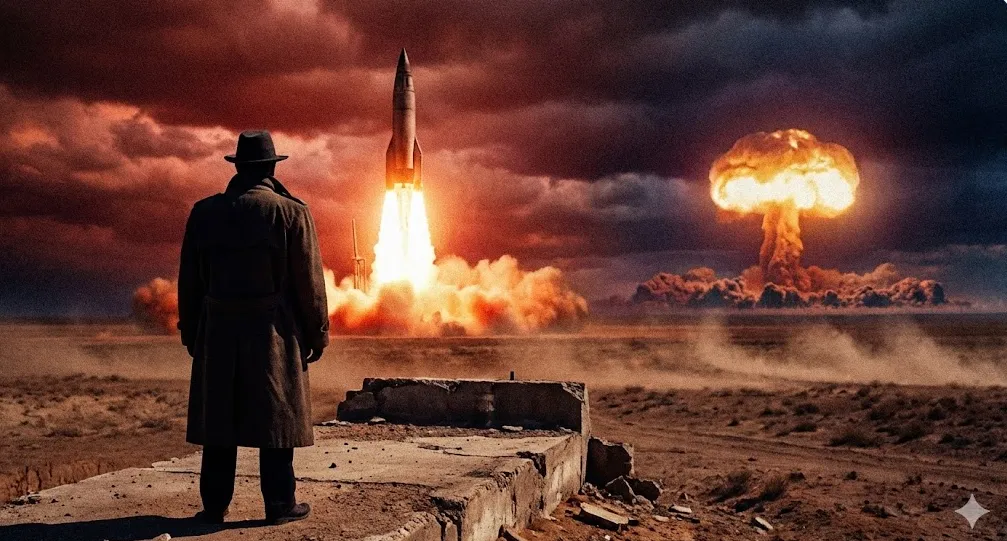
In the early 1950s, Soviet guidance systems had become unusually compact and precise. If “Mr. S” had traveled to the Soviet Union with the latest guidance algorithm under development at Woomera, it perfectly explains why the Soviets were able to bypass the most difficult hurdle in the R-7 design phase: “optimizing the guidance system.”
Correction of personnel records from NII-88 (later OKB-1), the sacred ground of Soviet rocket development, and the Kapustin Yar launch site reveals the presence of “officially non-existent experts from the West” after 1949. Some memoirs mention that, during the development of the R-5 missile in the early 1950s, a separate English-speaking engineer, given the Russian name “Stepanov,” was involved as a ballistic calculation consultant, distinct from the German engineers (Glytrup’s team).
Furthermore, after the successful launch of Sputnik 1 in 1957, many of its developers were awarded titles such as the “Order of Lenin” and “Hero of Socialist Labor.” However, the list included several recipients who were suspicious in that their careers prior to 1948 were completely blank, and they did not appear at the award ceremony. It cannot be denied that this may have been the “reward” from the state given to “Mr. S,” who disappeared from Adelaide.
A “false signature” left on the beach
The 2022 DNA test results—which we had believed to have “solved” the mystery—revealed that the name Carl Webb was not a reflection of the truth, but merely the name of a “perfect vessel” to conceal it. December 1, 1948. What was left on the Adelaide beach wasn’t the body of a man, but the remnants of a cover-up surrounding the “blueprints for the future” lost by Western nations.
“Mr. S,” who bore the weight of Britain’s top-secret rocket technology, was about to embark on a journey in search of freedom when the MGB (Soviet Ministry of State Security), operating in the shadows of the Cold War, bared its fangs. Their plan wasn’t a simple kidnapping; it was a grand “false flag operation” involving a “stand-in” (Carl Webb) and the inclusion of “American spirit” (cigarettes and gum) in his clothing, convincing MI5 of a false scenario of “illegal recruitment by the United States.”
While Western intelligence agencies were thrown into chaos over the body on the beach and the “shadow of America,” the real Mr. S vanished into the black whale (submarine) of the midnight sea. The subsequent extraordinary leaps in Soviet rocket technology, the success of the R-5 missile after 1949, and the “unnatural shortcuts” in later ICBM development are the most eloquent historical testimonies that Mr. S was alive in the East. The MGB, pushed forward by the guillotine of Stalin’s purges, completed this “perfect magic trick” in just a few days. …However, there was a slight flaw in what seemed like a perfect plan.
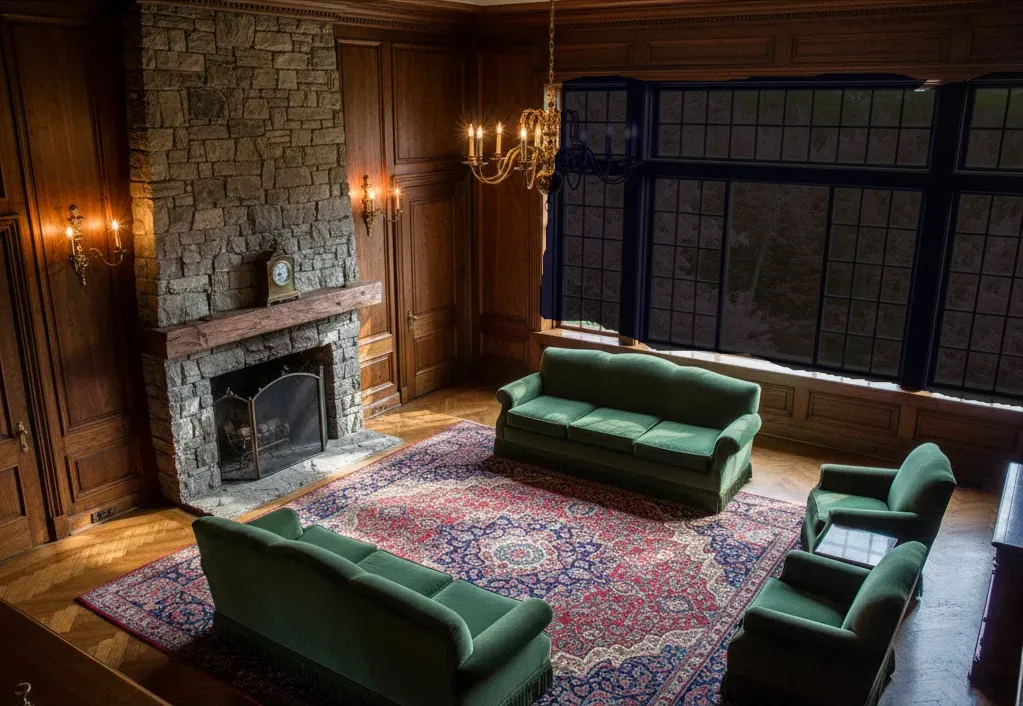
Outside the window, it was completely dark, and moonlight illuminated the forest. I exhaled a large puff of smoke and turned around.
“Everyone, please pay attention. The story was supposed to end here (Tamam Shud).”
“The MGB kidnapped Mr. S and placed Carl Webb there. They removed the labels from his clothes. But there was one thing they didn’t know. It was a distortion caused by the fundamental nature of the organizational system. That distortion led to a critical oversight.”
“For the MGB, it was the worst possible time bomb, one that could destroy their own vital ‘spy network.’ For the world-renowned MGB, there was no way to recover from their mistake except by admitting guilt. That must have been humiliating for an intelligence agency.”
“For me, this seemingly insignificant mistake became the key to solving this case.”
The fireplace cast shadows on both the room and the reader’s face.
No one spoke. They held their breath, waiting for my words.
I sat down on the sofa and began to speak slowly.
“…From here, the case enters its ‘second act’.”
Act Two: The Tamam Shud Incident
Fingertips breaking the silence: A millimeter-sized hidden pocket
“Let’s review the case.”
With the investigation at a complete standstill, the police commissioned Dr. John Burton Cleland, a professor of pathology at the University of Adelaide, to conduct a deeper investigation. Dr. Cleland uncovered an incredibly clever device hidden around the waist of the trousers.
This “hidden pocket” was discovered on April 19, 1949, approximately four months after the body was found.
Amazingly, microscopic examination proved that the thread used to repair the pocket’s lining was identical to the orange linen thread found in the brown suitcase. This linen thread was a strong, waxed thread manufactured by Barber & Co. in England, which was difficult to obtain in Australia at the time. This match provided a decisive physical link indicating that the owner of the luggage and the body belonged to the same person.
The piece of paper, carefully removed from the hidden pocket and spread out with tweezers, had words printed on it.
“Tamam Shud”
Printed in distinctive decorative script, the paper was very thin and of high quality. Importantly, it was clear that this wasn’t a memo; the paper had been carefully cut around the letters.
Nothing was written on the back of the paper; the words were inscribed on the very last page of the book.
The final words: The last stanza
This word turned out to mean “finished,” “completed,” or “completed” in Classical Persian.
This was a fixed phrase that always appeared at the end of the last stanza in Omar Khayyam’s poetry collection, the Rubaiyat.
“Do you remember, everyone?”
“What does this mean? Let’s consider that.”
The tailor-made secret: The spy’s armor that clings tightly
Consideration 1: Hidden pocket
Since these trousers were worn by the deceased Carl Webb, they appear to be his property. Of course, the owner of the trousers is “Mr. S.”
The question is, what do these trousers signify? That is, they are not ordinary trousers; they have cleverly constructed hidden pockets.
The only reason to create hidden pockets in everyday life is to conceal hidden savings. However, what was inside was a cryptic piece of paper. Creating hidden pockets in clothing that is so close to the body is a sign of caution against theft.
And it was a secret he didn’t want anyone to know. The fact that “Mr. S” was wearing trousers tailored in this way strongly suggests that he was hiding some kind of major secret. Given the historical context of 1948 and the unique circumstances of Australia, this also serves as proof that “Mr. S” was involved in some kind of espionage. It is presumed that he had contact with agents or liaisons. Since we already know that this operation was carried out by the Eastern Bloc, we will proceed with the assumption that the MGB was involved.
It is likely that Mr. S was passing classified information from the Long-Range Weapons Research Institute to this agent or liaison. It would be more concealable for someone to approach him within the institute and hand over the information than for him to leave the facility to do so. In this case, the easiest option would be an employee of the institute. If there was an Eastern Bloc collaborator at the institute, it wouldn’t be that difficult. Mr. S was an important figure who even arrived at the institute by military plane, so he would have likely refrained from going out. The people he would have contacted would have been ordinary employees, such as clerks or typists, who did not have access to classified information, and they would have commuted from home, making it easy for them to take the information out.
Consideration 2: Career
Mr. S is a highly accomplished elite specialist in ballistics and fluid dynamics. He was a researcher at the Royal Aeronautical Institute (RAE) in Farnborough, England, before being assigned to the Long-Range Weapons Laboratory in early 1948. He undoubtedly received a high level of education in Britain. Given his academic background and the social structure of Britain at the time, it is highly probable that someone working at the RAE in Farnborough as a specialist in ballistics and fluid dynamics was a Cambridge University graduate.
At that time, ballistics and fluid dynamics were fields of physics requiring advanced mathematical processing. Cambridge University had a tradition of the “Mathematical Tripos,” the world’s most prestigious mathematics examination, and the “Wranglers” (highly skilled graduates) who emerged from it formed the core of Britain’s military and scientific technology. Many of the leading figures at the RAE were Cambridge graduates.
For example, Hermann Grauert, a leading authority on fluid dynamics and a prominent figure at the Royal Aeronautical Institute, was also a Cambridge alumnus. It’s possible he graduated from Trinity College, known for its strong mathematics and natural science programs, or St. John’s College, which has a deep mathematical tradition.
The hypothesis that Mr. S studied at Cambridge University (especially a prestigious science and engineering institution like Trinity College) and demonstrated his exceptional mathematical abilities at the Royal Aeronautical Institute, a vital institution for the nation, is highly consistent with the historical context of the time.
Consideration 3: Motivation
In 1951, Project Venona intercepted and deciphered thousands of coded telegrams exchanged between Soviet intelligence agencies and their overseas missions. This deciphering work exposed the Soviet spy network that had been deeply rooted in the heart of Western countries from World War II through the early Cold War.
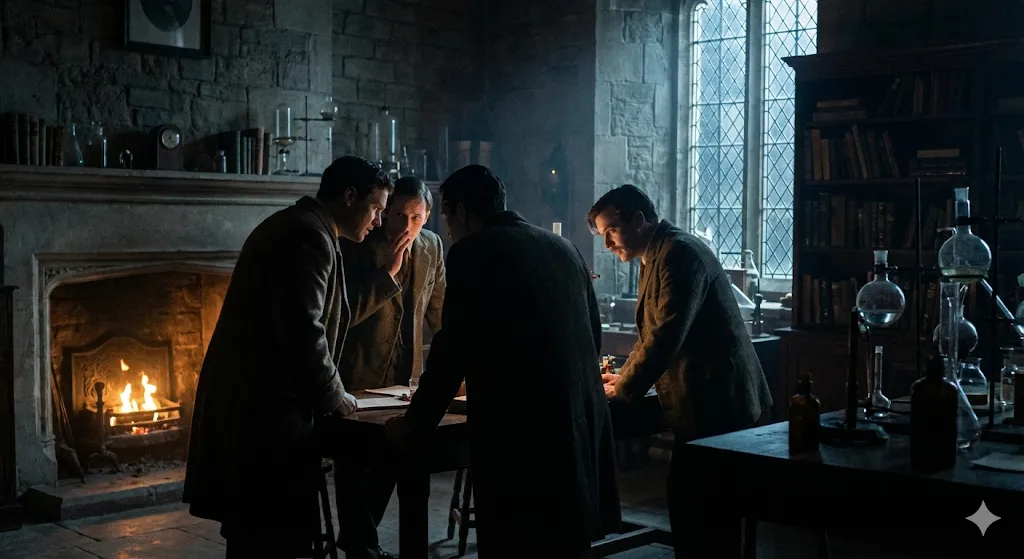
What was particularly shocking was that the decoded telegraphs were filled with code names of “collaborators” who had infiltrated the British government’s most important agencies: MI6 (Secret Intelligence), MI5 (Security Service), the Foreign Office, and even the nuclear development project “Tube Alloys” (the British version of the Manhattan Project). In the process of linking these code names to real names, investigators noticed a chilling commonality: many of them were graduates of Cambridge and Oxford Universities, universities that were supposed to shape Britain’s future.
The most famous group whose full scope was revealed by the Venona Project was the “Cambridge Five.” They studied at Cambridge University’s Trinity College and other institutions in the 1930s and were recruited by Soviet agents while still students.
The Cambridge Five refers to a Soviet spy network that deeply infiltrated British intelligence agencies and government centers from World War II through the early Cold War. These individuals, graduates of the prestigious Cambridge University, leveraged their elite status (establishment privileges) to leak top-secret information from Western countries to Moscow for many years.
Their activities dealt a devastating blow to British intelligence, deepened distrust between the US and Britain, and profoundly impacted post-war history.
The Cambridge Five were formed at Cambridge University in the 1930s. At that time, the world faced two major crises: the turmoil of capitalism caused by the Great Depression and the rise of fascism, exemplified by Nazi Germany.
Among Cambridge’s elite students, a strong disillusionment with the existing system was widespread, and Marxism and communism held intellectual and moral appeal as the only counterpoint to fascism. Rather than seeing it as betraying their homeland, they chose to become Soviet collaborators, viewing it as a “noble mission to protect humanity’s ideals and peace.” Trinity College, where Mr. S studied during his university years, is a hotbed of the Cambridge Five. It is highly probable that his thinking was shaped by this tradition.
Consideration 4: Piece of paper
Why was the “Talam Shud” found in his trousers being kept hidden?
Since Mr. S was a spy, it’s likely he carried it as a code word with his comrades or as an identification card for fellow spies. He usually disguised himself as an ordinary citizen, making it difficult to identify a spy. However, if the need arose to prove his spy identity, he could simply display this identification. This “Talam Shud” is an excellent form of identification.
Let’s say Mr. S tried to contact an Eastern Bloc agent without knowing their appearance. A spy list would have included photos, but such a dangerous list likely didn’t exist. Furthermore, since fax machines hadn’t been invented in 1948, verifying identity based solely on appearance would have been difficult. In that situation, possessing a secret code would have ensured reliable identity verification. One person holds a piece of paper cut from a book, while the other holds the book itself. If the cut edges of the paper and the book match, the other person’s identity can be definitively confirmed.

This was Mr. S’s identification. It must have been carefully stored somewhere in the MGB. The MGB also needed it to determine whether someone was a spy or not. They would never throw such an important tool into just any car.
The evidence that was delivered
“When would something that absolutely cannot happen actually happen?”
“Since it absolutely cannot happen, it simply didn’t happen. In other words, it didn’t happen.”
“This simple fact is important. Now, let’s look at how the case unfolded.”
A small, tightly rolled piece of paper was pulled out of the hidden pocket of his trousers.
When unfolded, the words “Tamam Shud” were printed on the piece of paper. Importantly, this wasn’t just a “note”; the paper had been carefully cut around the letters.
Approximately seven months after the discovery of the body, in July 1949, police appealed to local newspapers throughout South Australia, asking if anyone had a copy of the Rubaiyat from which “Tamum Sud” had been found. The newspapers detailed the distinctive handwriting of the torn-out paper and the fact that it was the last passage of the book. A man named Ronald Francis (a pseudonym) read the article and, on July 22, 1949, delivered the book to the Adelaide Police Department.
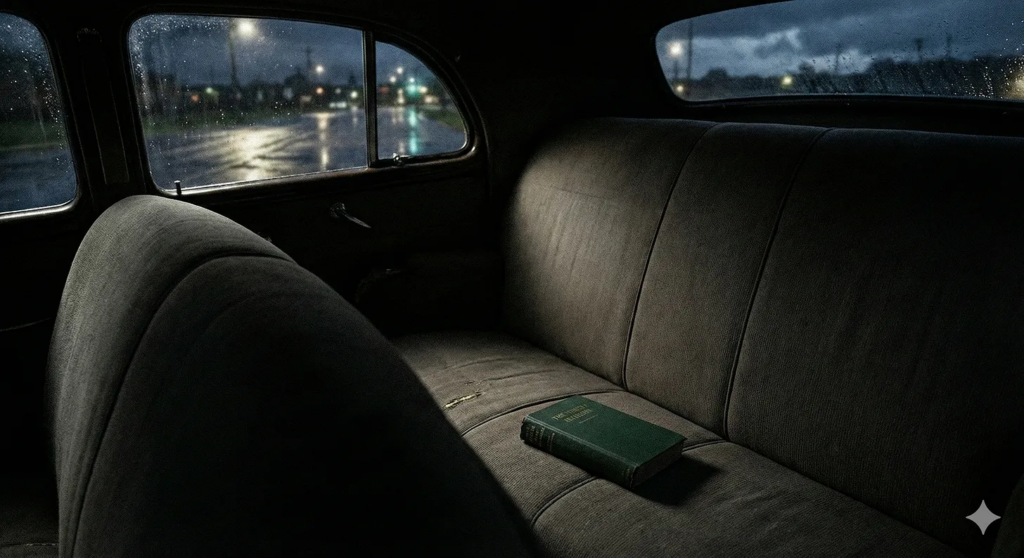
He simply assumed “someone must have thrown it in by mistake, or that it had been there all along and they’d forgotten about it,” and tossed it into the dashboard compartment, forgetting about its existence for several months.
In police records, his real name was withheld to protect his privacy. Australia was in the midst of the Cold War at the time, and suspicions of espionage began to arise in connection with the incident, causing Mr. Francis to fear “retaliation” and “unnecessary public attention.” He was just an ordinary businessman, and he strongly refused to let himself or his family become involved in such a bizarre incident.
Question 1: How did he know it was the “Rubaiyat”?
Mr. Francis says that when he found the book, he only thought it was “a book someone had mistakenly thrown in, or a book someone had left there,” and that he tossed it into the dashboard compartment and forgot about it for several months. So how did he know it was the “Rubaiyat”?
Even if a friend left a book in the back seat, you rarely look at the title. Even less so if it was a book thrown in by a stranger. He himself testified that he tossed it into the dashboard compartment and forgot about it for several months. The “Rubaiyat” is an unassuming collection of poetry. The title is probably not easily recognizable without careful examination. Even if there was a photograph of the book’s cover, the “Rubaiyat” was a difficult publication to obtain in Australia, so the photograph likely wouldn’t have been of a book with the same cover.
Yet, Mr. Francis, simply reading the article’s description, remembered the book he had tossed into his dashboard. It’s a huge leap in logic to associate the article’s content with a book thrown into a car.
Let’s assume that one in five people can recall a book they forgot about four months ago just from reading the article.
Question 2: Why didn’t he throw it away?
“Imagine a creepy book is thrown into the back seat of your car at night. Would you keep it carefully, or throw it away?”
Few people would answer “keep it.” I would probably throw it away too.
Let’s assume, based on common sense, that about 1 in 7 people would keep it.
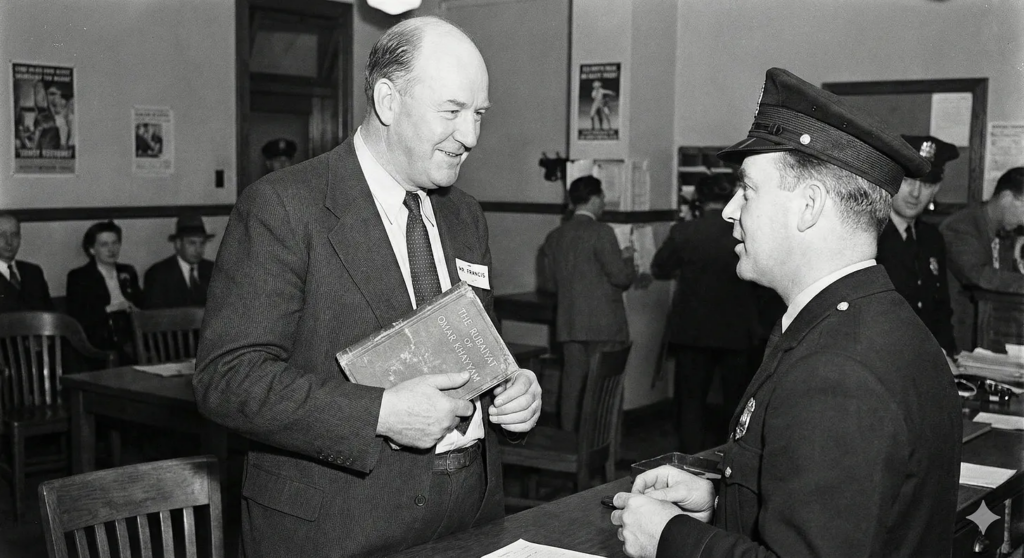
Question 3: Why did he deliver it?
“If it were me, I wouldn’t turn it in.”
If I had a book that could potentially get me into danger like that, I’d probably dispose of it secretly rather than turn it in to the police. Because I could get involved in some kind of incident and my family could be in danger. Compared to me, Mr. Francis is very brave. He turned in the book without hesitation, even at the risk of getting himself or his family involved in such a bizarre incident.
He was apparently just an ordinary businessman. He had a family, so what percentage of an ordinary businessman would report something like this to the police?
The risk of not reporting it is zero. The risk of reporting it is an unknown quantity ranging from 1 to infinity. Would any ordinary person take such a gamble? There may be some who would sacrifice their family for the sake of justice, but there are very few.
As evidence of this, there are no records of any Rubaiyat copies without clippings being delivered. Not a single person who had a Rubaiyat at home has ever turned it in to the police. Even being generous, only about 1 in 10 people would do so. Calculating how many people Francis was among, it’s 1 in 5, then 1 in 7, and then 1 in 10, which works out to 1 in 350. That’s 0.29%, an extremely rare occurrence—only about 2 or 3 people out of 1,000.
If the MGB (Soviet Ministry of State Security) had found the paper in Sai’s hidden pocket and thrown the Rubaiyat into the back seat of a car, hoping an ordinary citizen would turn it in to the police, the probability of that happening was 0.29%. At most, it would be around 3%. It’s nonsense to think that MGB, who has even calculated and planned the American gum market, would take a gamble with a 0.29% chance. Even with a 50% chance, MGB probably wouldn’t go through with it.
“So how did Mr. Francis have the Rubaiyat?” “The only explanation is that he retrieved it from the MGB’s storage facility.”
Mr. Francis was an MGB agent. The Rubaiyat itself is an important tool for the MGB. There’s no reason to throw it into the car of an unsuspecting civilian. If they wanted to dispose of it, they would simply throw it into an incinerator within the facility. There’s no need to deliberately bring it out into the open.
“What significance could it have had if it had been brought out into the open?”
Meaning 1: Cryptography
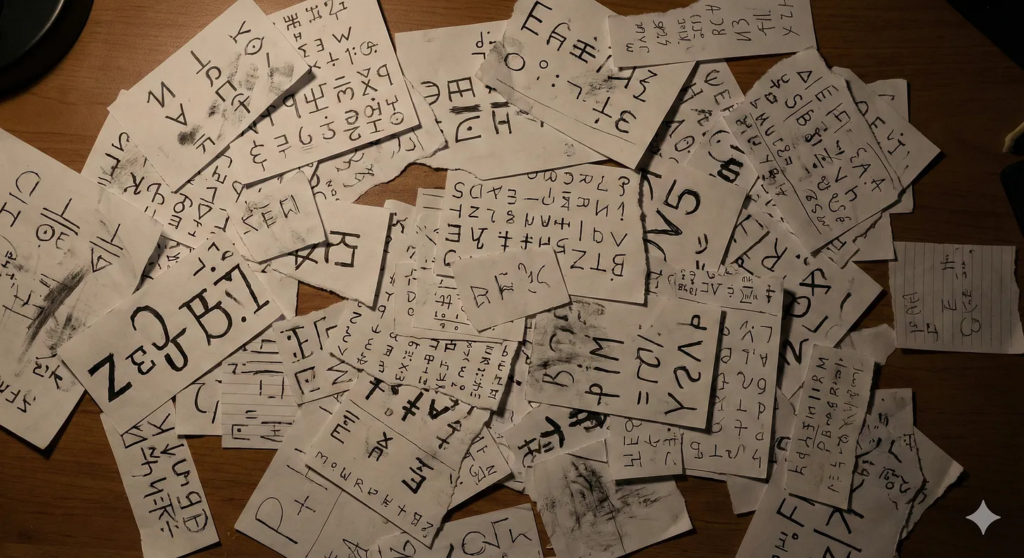
The Rubaiyat delivered by Mr. Francis perfectly matched the “Talm Shed” slip of paper. The police examined it meticulously, so there’s no doubt about its authenticity. And it also contained a coded message. What was the purpose of this code? A coded message is a message. A message that has been processed so that only a specific person can understand it. This coded message in the Rubaiyat is also a message intended for someone. So, to whom was it sent? Since Mr. Francis, an MGB agent, brought it to the police, the simplest answer would be the police. Since it was originally in the MGB’s vault, there shouldn’t have been a coded message on it.
Because there’s no point in writing a message to someone on a tool used for splitting. Since Mr. Francis went to the MGB’s vault to retrieve it, it can be inferred that the message was written for the police at that point. So, what did the MGB want to convey to the police? If they were going to convey a message, there was no need to use a code. Yet, they used a code so sophisticated that even the Navy couldn’t decipher it. It’s useless if it can’t be read…
“Have you noticed?”
“That’s right. This code has no message written on it.”
“So, what is the role of a code without a message?”
It’s to disrupt the investigation. There’s nothing more difficult to decipher than a meaningless code. No matter how much you try to decipher it, all you get is a nonsensical message. If that was the MGB’s objective, then the string of letters written here was an accessory disguised as a code. And this accessory elevated a simple token into a tool used for spy messages. The corrections were made with a faint pencil, almost invisible, and made to appear meaningful. It was a staging to enhance the credibility of the phone number written directly below it.
Meaning 2: Two phone numbers
Immediately below the coded message, two phone numbers were written. They were written as faintly as the code itself. One was a number leading to Nurse Jessica, and the other was an unrelated number. Why were there two? Why wasn’t Jessica’s number alone sufficient? It was because they feared that using only Jessica’s number would seem like an obvious attempt to lead the police. Anyone would suspect something is amiss if the story seemed too good to be true.
However, with multiple numbers, they wouldn’t suspect manipulation. The MGB likely calculated that providing two numbers would reduce the likelihood of suspicion.
These phone numbers were written by the MGB. Despite the complex code, the phone numbers were written perfectly, word for word. Naturally, this was to make it easier for the police to find Jessica.
“So why would it be necessary to write down Jessica’s phone number and give it to the police?”
“Why would the MGB go to the trouble of including Jessica’s phone number when delivering the Rubaiyat as evidence to the police?”
“This will be the final mystery in the Somerton Man case. Let’s think about it together.”
The final mystery: Why did the MGB give Jessica’s phone number to the police?
This dates back five months before the discovery of Summerton Mann’s body. On June 28, 1948, at a Cominform (Communist Information Bureau) meeting in Bucharest, Romania, the breakdown between Yugoslavia and the Soviet Union was declared.
For Stalin, this Yugoslavia was more than just a betrayal of a satellite state. Stalin began to suspect that a “second Tito” was lurking everywhere in his camp. He was gripped by paranoia, believing that even those who outwardly obeyed might be plotting defection. Stalin launched a large-scale purge (a paranoid spy hunt) to uncover the Titoists (traitors).
The horrific “witch hunt” triggered by Tito’s defection was not merely a political purge. For the spies on the ground, it meant forced participation in an extreme survival game where “failure” meant instant “death (or even greater humiliation).”
The immense pressure the agents faced led to a shift in the definition of “failure” to “betrayal.”
Before the collapse of Yugoslavia, in Soviet intelligence agencies, mission failures were merely dismissed as “incompetence” and resulted in reprimands or demotions. However, after 1948, “failure” became synonymous with “intentional acts of aiding the enemy (Titoism).” Mission failure transformed into a fate of public trial in Moscow, as the perpetrator was branded a “Tito agent corrupting the organization from within.”
Agents were forced into a dilemma with no escape: “complete the mission or become a corpse themselves.” The detection of Titoists extended not only to the individual but also to their superiors, subordinates, and even “anyone who had ever had contact with Tito.” MGB (Soviet Ministry of State Security) agents in Adelaide began to monitor each other. This “double and triple surveillance” created a constant state of tension, where every move was being watched.
If someone made a mistake, the entire team would be sent to Siberia. This “fear of being implicated” robbed those on the scene of sound judgment and was the psychological background that forced them into excessive cover-ups (erasing labels and appointing scapegoats). They feared their own overseers more than the Western police.
Radicalization as proof of “absolute loyalty”
Stalin viewed silence as “suspicious.” For agents to prove their loyalty, they needed to achieve “ruthless results” that exceeded the expectations of their superiors and demonstrate “thorough disruption against the enemy (the West).” Operations such as “giving them American-made gum” or “putting American cigarettes in packs of British brands” were products of this psychology.
“Look, Comrade Stalin. We not only kidnapped Mr. S, but we also planted poison to sow discord between America and Britain.” It can be said that the obsessive need to report such “extra achievements” to prove one’s loyalty resulted in those unnaturally ornate artifacts.
The executioner named Time
After Tito’s defection, Stalin placed an abnormal emphasis on “speed.” He was driven by the fear that if he didn’t stop even for a moment, his camp would collapse like a dam breaking. Bringing Mr. S into custody, deploying Carl Webb, and “staging” the physical evidence—all of these steps had to be completed in a brief “gap” before MI5 (British intelligence agency: Security Service) or ASIO (Australia) noticed. The “panic of the agents” was the desperation of those who were driven to the brink by “failure means losing their lives,” “the need for 200% results,” and “pressure from Stalin.” The agents in Adelaide were no longer spies, but “prisoners sentenced to death.”
Tamam Shed (finished)
Why didn’t the MGB know about Mr. S’s hidden pocket? It’s likely that a common communication breakdown and resulting information gap occurred within the large organization. Even within a company, different departments or positions have vastly different information. The same is true for the MGB; what one department takes for granted might be unknown to another. I suspect that the department in charge of Mr. S’s kidnapping was different from the department that manages the local agents. This is because the department that manages the agents gave Mr. S the “Tamam Shed” identification card.
The reason was that the “Rubaiyat” token was being carefully stored at the MGB. If the department in charge of managing it had been responsible for Mr. S’s kidnapping, they would have remembered to dispose of the hidden pocket when they removed the clothing tags. It’s safe to assume that the department that was unaware of the hidden pocket was the one that carried out the kidnapping. In the meeting held prior to Mr. S’s kidnapping, the management department assumed that the execution team would naturally know about it and therefore didn’t inform them. This slight misunderstanding led to a small oversight.
On April 19, 1949, the doctor found a piece of paper with “Tamam Shed” written on it in his trouser pocket. For MGB agents, this news was tantamount to “Tamam Shed” (it’s over). In July 1949, police issued an unusual appeal to local newspapers throughout South Australia, asking if anyone had a copy of the Rubaiyat with “Tamam Shed” cut out. Anyone reading this article, with its association of a “hidden pocket” and “coded piece of paper,” would immediately think of a spy. Everyone would assume the man who died at Somerton Beach was a spy.
This could deal a major blow to the Soviet spy network in the area and make things more difficult for local spies. If Stalin were angered by this and everyone was branded “Titolist,” the best-case scenario would be forced labor in a concentration camp. The top brass would likely be purged. The Soviet Union would successfully conduct a nuclear test in August 1949, but this was before the actual nuclear test. This was a time when tensions had reached their peak. The time bomb exploded at this moment. There was no time to lose. If Stalin was furious and summonses were sent from Moscow, it would all be over. An emergency meeting was held, and a cover-up operation for “Taram Shud” was planned and put into action.
The main topic of discussion at this meeting was how to make this piece of paper more believable by changing it from a certificate to something else. The police aren’t blind. If the story isn’t solid, they’ll be suspicious. If the MGB is suspected of involvement, they’ll undoubtedly be executed. So, they decided to replace the piece of paper with a love letter. They made it look like a letter a man used to contact his mistress. If he made a hidden pocket to keep it from his wife finding out, it would make sense. And then they wrote the woman’s phone number on it.
Key witness: Jessica Thompson
Condition 1 for a woman: Beauty
She had to be so beautiful that a man would want to have an affair with her. If the woman wasn’t attractive to the investigators, the story wouldn’t be as realistic. Jessica was 27 years old, young and beautiful. Her age was also a good match for Carl Webb’s mistress.
Condition 2 for women: Married or living with a man
Creating a hidden pocket to carry love letters is a way to avoid being discovered by one’s wife, and the secrecy feels more real if the mistress has a husband or a man she lives with. Jessica was living with a man at the time. Since both parties were having an affair, keeping the secret seems natural.
Condition 3 for a woman: She must live near Somerton Beach.
Being closer to Somerton Beach than farther away would explain Carl Webb’s death on the beach.
Condition 4 for a woman: No connection to the incident or the MGB.
If she was an MGB (Soviet Ministry of State Security) agent or liaison, she might talk under intense questioning by investigators. If she was just an ordinary woman completely unrelated to the case or the MGB, no matter how hard you dig, you won’t find any dirt. Jessica’s ability to live a full life is also proof that she was unaware.

On the contrary, the more unrelated the person is, the more perfect the performer becomes.
Failure in this operation was unacceptable. The MGB’s top agents were chosen for the task. That was Francis. The fate of the entire organization rested on him. On July 22, 1949, Francis delivered a copy of the Rubaiyat containing a coded message and Jessica’s phone number to the police. He fabricated a story that it had been thrown into the back seat of a car. The police believed Francis. They found the coded message and Jessica’s phone number and contacted her. Jessica must have been astonished.
On July 26, Jessica was shown a plaster mask made from the face of the Somerton Man by the police. At that moment, she was overwhelmed with fear and shock, and everything went dark before her eyes. All she could manage to say was, “I don’t know.” She never wanted to see a plaster cast again. It’s a normal reaction for any woman. In fact, it would be more unnatural to calmly stare at a plaster cast. It wouldn’t be surprising if a woman screamed. The police, having observed Jessica with preconceived notions, probably took her shock as significant.

Two Despairs Left on the Sandy Beach
“Ladies and gentlemen, this is the complete picture of the ‘truth’ I am presenting.”
I placed the last piece of the puzzle into place and quietly stood up. Outside the window, the Adelaide sea, where Mr. S had disappeared, gleamed coldly in the moonlight. The Somerton Man case was a story of two men’s lives shattered by the colossal gears of ideology.
One was a genius known as “Mr. S.” He carried the weight of British technological pride, yet resigned from his research institute in search of freedom. However, this very “thirst for freedom” made him the perfect target for the MGB (Soviet Ministry for State Security), cornered by Stalin’s reign of terror. He was quietly erased amidst the clamor of Adelaide, snatched away to the northern skies as a “living brain” that would determine the outcome of the Cold War. The unnatural leap in Soviet rocket technology after 1949—it was the cruelest signature of his continued drawing in the dark laboratories of the East.
The other was a vessel named Carl Webb. He was an ordinary, lonely, and possessive man who had come to Adelaide to follow his beloved wife. However, his empty attributes—”no one is looking for him,” “there’s a reason for his disappearance”—led to his unfortunate selection as a “scapegoat” by the monster known as the MGB. He was kept by the MGB, and in the end, dressed in Mr. S’s clothes, his corpse was placed on the beach as a display piece. His peaceful face in death was not a peace he chose himself, but an elaborate deception created by anesthetics and poisons administered for the convenience of the state.
What Tamam Shud revealed
And what turned this case into an eternal labyrinth was a “tiny, yet fatal oversight” made by the MGB.
The fragment of “Tamam Shud” left in a hidden pocket. It was the “code” that Mr. S had been hiding to prove his identity. The moment it was discovered, the MGB’s perfect scenario faced the brink of collapse.
In the second act, what we witnessed was the organization’s desperate struggle to cover up their mistake, framing an innocent woman, Jessica Thompson, as their “mistress,” and having her “turn in” the Rubaiyat, which had been scribbled with what appeared to be a code, to the police. Jessica’s near-fainting reaction upon seeing the plaster mask wasn’t because she was grieving the death of her former lover. It was a primal fear that her peaceful life had been turned into a “tool in a scheme” by the cold, ruthless beast known as the state.

The “Sea of Shadows” Called History
“Carl Webb was certainly there. But what he embodied was Mr. S’s ambition, America’s gum, and Britain’s despair.”
The 2022 DNA test gave this case its “name.” However, it is not science, but the power of the logic we have built up throughout history that will unravel its “meaning.”
A single piece of paper, discarded on the Adelaide beach. The words “It’s over (Tamam Shud)” written on it. It wasn’t the end of one man’s death, but an eerie message from history, announcing the end of Western technological superiority and the beginning of the dark age of the endless Cold War. The Somerton Man case may have been the single, yet most beautiful, remnant of mystery washed ashore from the vast “sea of shadows” of the Cold War.
“Well, it’s late now. This case, in my mind, has finally reached its conclusion—’Tamam Shud’.”
I flicked the ash out of my pipe and quietly extinguished the lights in the room.

“The truth lies in the sea of shadows.”
This journey, which I have undertaken with my readers, has been a grand hypothetical narrative, stretching from the sandy beaches of Adelaide to the dark skies of Moscow. What I present here is merely one possibility, woven with the thread of “logical consistency” to fill in the gaps in history. Organizational panic, overwritten evidence, abducted minds… I believe these are the most dramatic and rational “picture” that emerged when the scattered dots were connected.
However, history is always multifaceted. I sincerely hope that this endeavor conveys the atmosphere of the bygone Cold War era and serves as a seed of new thought for those who love the labyrinth of unsolved cases. Whether this labyrinth of logic opens the door to truth or creates a new fog, I leave that judgment to my discerning readers.


コメント