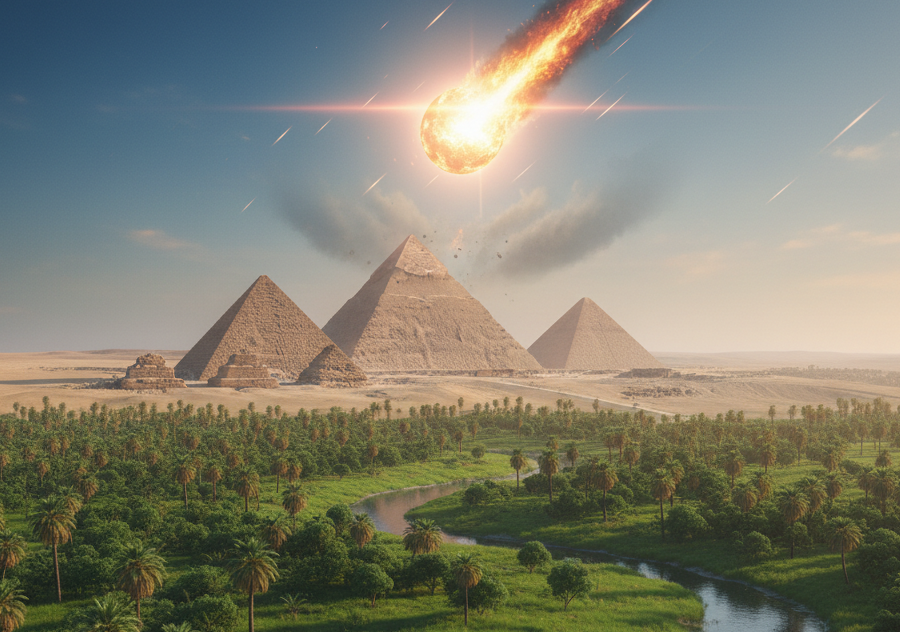
Beyond the history of fabrication, the pyramids are synchronized with the celestial coordinates, revealing the “mark of truth”
The sight of such a huge rock structure rising from the sands of the Egyptian desert is an extraordinary sight in itself. How people 4,500 years ago managed to build pyramids, which would be impossible to build even with today’s heavy machinery and surveying equipment, remains a mystery to humanity to this day.
Questions range from “What was the purpose of their construction?” to “Were they built by aliens?” to “Did the ancient Egyptians have technology unknown to us?” to “Did they have supernatural powers to cut and transport megaliths?”
Rather than tackling all the mysteries, I have decided to focus my thoughts on one question: “Could the ancient Egyptians have built the pyramids?” I have decided to narrow it down to just one.
I have now reached a certain interpretation, which I would like to share here.
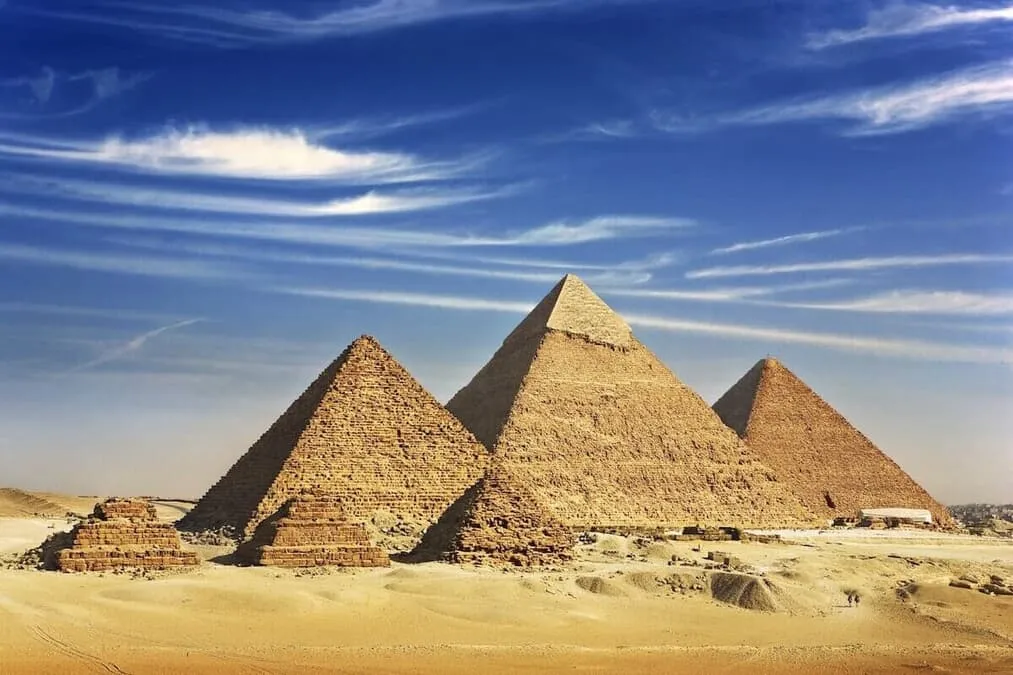
Today, there are three pyramids towering over the Giza plateau. From the back, they are the Pyramid of Khufu, the Pyramid of Khafre, and the Pyramid of Menkaure.
Of these, the Pyramid of Khufu stands out. This is not only because of its size, but also because of its extraordinary level of precision.
Amazingly, this pyramid is said to have taken between 20 and 25 years to build. We examine the feasibility of this pyramid by examining its specifications and the difficulty of its construction to see if it was something the ancient Egyptians could have built.
- The feasibility of the Pyramid of Khufu
- accuracy
- Technological Singularity
- Examining the evidence for the Great Pyramid
- Signature review
- Who built the Second and Third Pyramids?
- Lifestyle and cultural standards in ancient Egypt
- Life expectancy during the Old Kingdom
- Evidence from 2550 B.C.
- Younger Dryas period
- When were the pyramids built?
- Epilogue: Gold on the Sand, Heavenly Clock
The feasibility of the Pyramid of Khufu
1: Weight and quantity of stone
The actual stone that makes up the Pyramid of Khufu (hereafter referred to as the Great Pyramid) far exceeds modern civil engineering standards.
The total weight is approximately 6 million tons. It’s the equivalent of 100,000 US M1 Abrams tanks. It was carved out, transported, and lifted up to a maximum height of 140 meters. At this point, it’s mind-boggling.

The total number of stones is estimated to be 2.3 million. This number only includes the limestone core. If you add the 115,000 pure white limestone stones that make up the exterior, the total number is approximately 2,415,000. If it were to be built over 20 years, they would have to stack one stone every 2 minutes and 11 seconds, even if they worked 12 hours a day without a break, to keep up.
The average weight is about 2.5 tons. One person can drag a maximum of 80 kg. 2.5 tons requires the work of 32 people. To transport 2.3 million stones, it would require 9.2 million man-hours just to move the stones. Based on 12-hour work days, this would equate to 840 people working without a break. This is equivalent to a medium-sized company. This would have to be maintained for 20 years to keep up with the material transportation.
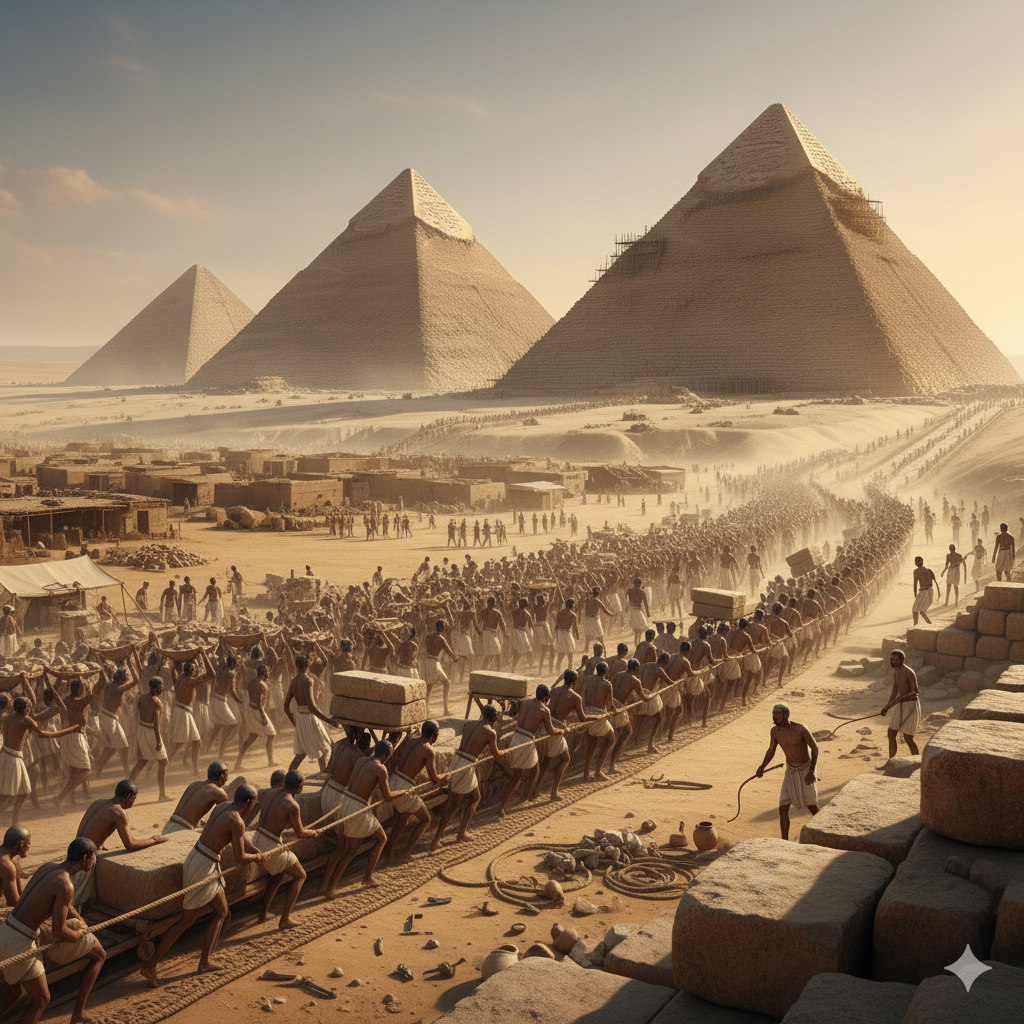
Let’s calculate the cost of cutting and polishing materials. The hardest metal of this era was soft copper, which has a hardness of only 3.0 on the Mohs scale. Limestone has a hardness of 3.0 to 4.0, making it virtually unusable. The only practical tool available was granite wedges (hardness: 6.0 to 7.0). Driving the wedges, cutting, and polishing would require 11.5 million man-hours, which would equate to 1,050 people working 12 hours a day for 20 years without a break.
Finally, let’s calculate the most difficult task: stacking stone. If a 2.5-ton pile of limestone had to be lifted 1 meter using only a rope, assuming a human can lift 50 kg, 50 people would be needed per piece. Let’s assume it took 45 minutes to secure the stone, coordinate everyone’s timing, safely lift it 1 meter, slide it into place, and set it in place (even this requires superhuman teamwork).
Taking into account the average height (center of gravity) of a pyramid, and assuming that all 2.3 million pieces were to be lifted to an average height of approximately 35 meters, the required manpower would amount to a staggering 377.2 million. At 12-hour workdays, that’s 34,447 people per day. That’s more than twice the total number of employees at Netflix. All the brainpower behind the world’s largest streaming service is consumed as physical labor, simply fighting gravity on-site. It takes work without a single second’s break or days off to finally complete the project.
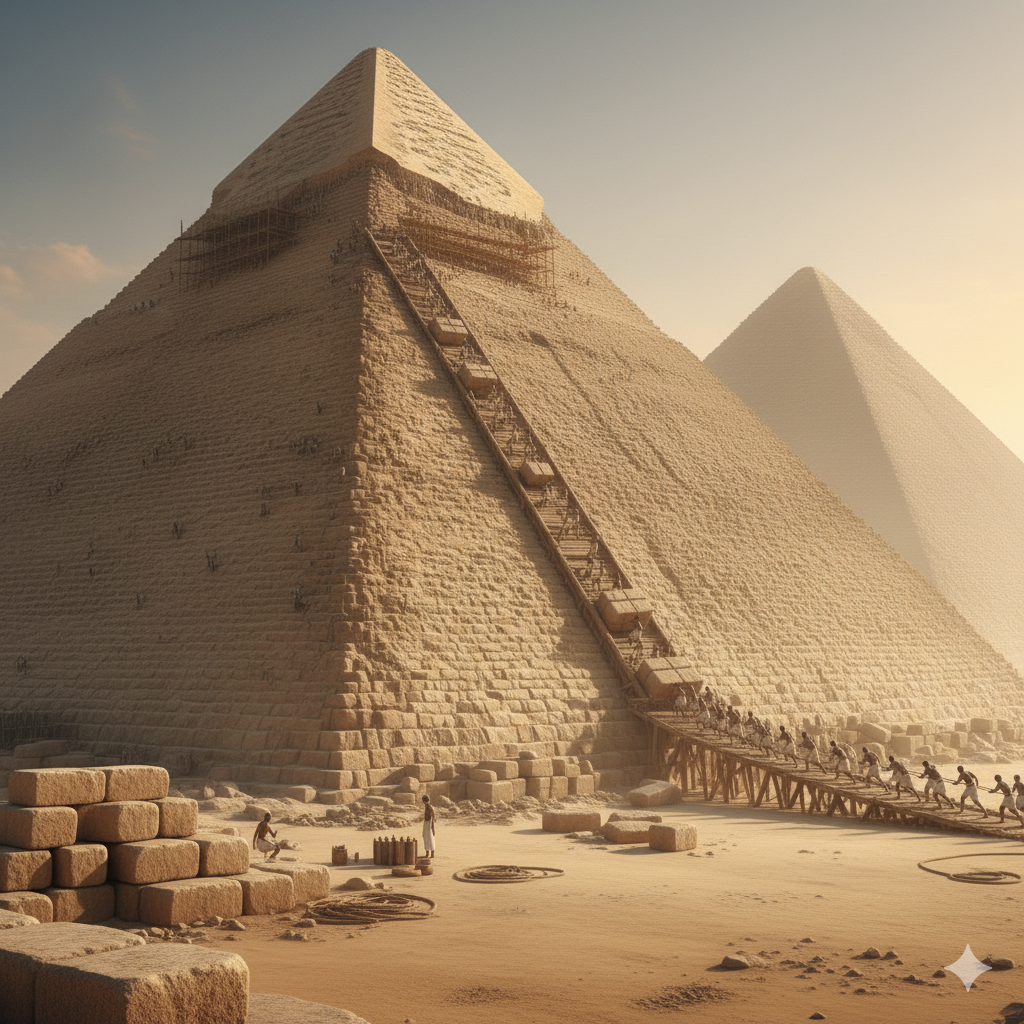
The calculations made up until now have only been estimates for the core, omitting the processes for the King’s Chamber and the exterior decorative panels. The granite used in the King’s Chamber weighs between 50 and 80 tons. Dozens of these were used. At this point, the situation is hopeless.
The decorative panels are pure white limestone, each weighing around 10 to 15 tons. This is about five times the mass of the core limestone (2.5 tons), and around 115,000 of them were used. The reason we gave up on artificial calculations for these two points is that they would be impossible to build. We are at a loss for words.
2:Stone hardness and construction difficulty
Limestone (core)
It was collected around the Great Pyramid and was relatively easy to process. It was also low in precision, with gaps of several centimeters. What we see today is the bare core. Of all the components of the pyramid, it was the least precise, and was sourced around the pyramid, making it relatively easy to transport.
Pure white limestone (for decorative panels)
The exterior of the Great Pyramid was clad in polished, pure white limestone. The stone was sourced approximately 15 km away. The mirror-like finish allowed for microscopic irregularities in the stone slab. The surface was just 0.25 mm smooth. By modern building standards, this would mean that even a stone slab several meters long would only be allowed to have microscopic irregularities, a level of smoothness close to that of an optical lens.
The stones were enormous blocks, averaging approximately 1.5 to 2 meters on a side, weighing approximately 10 to 15 tons, and precisely cut at an angle of 51 degrees 51 minutes. It is estimated that approximately 115,000 exterior stones were used for the Great Pyramid. The gaps between their joints were just 0.5 mm, making them impenetrable to a razor blade.
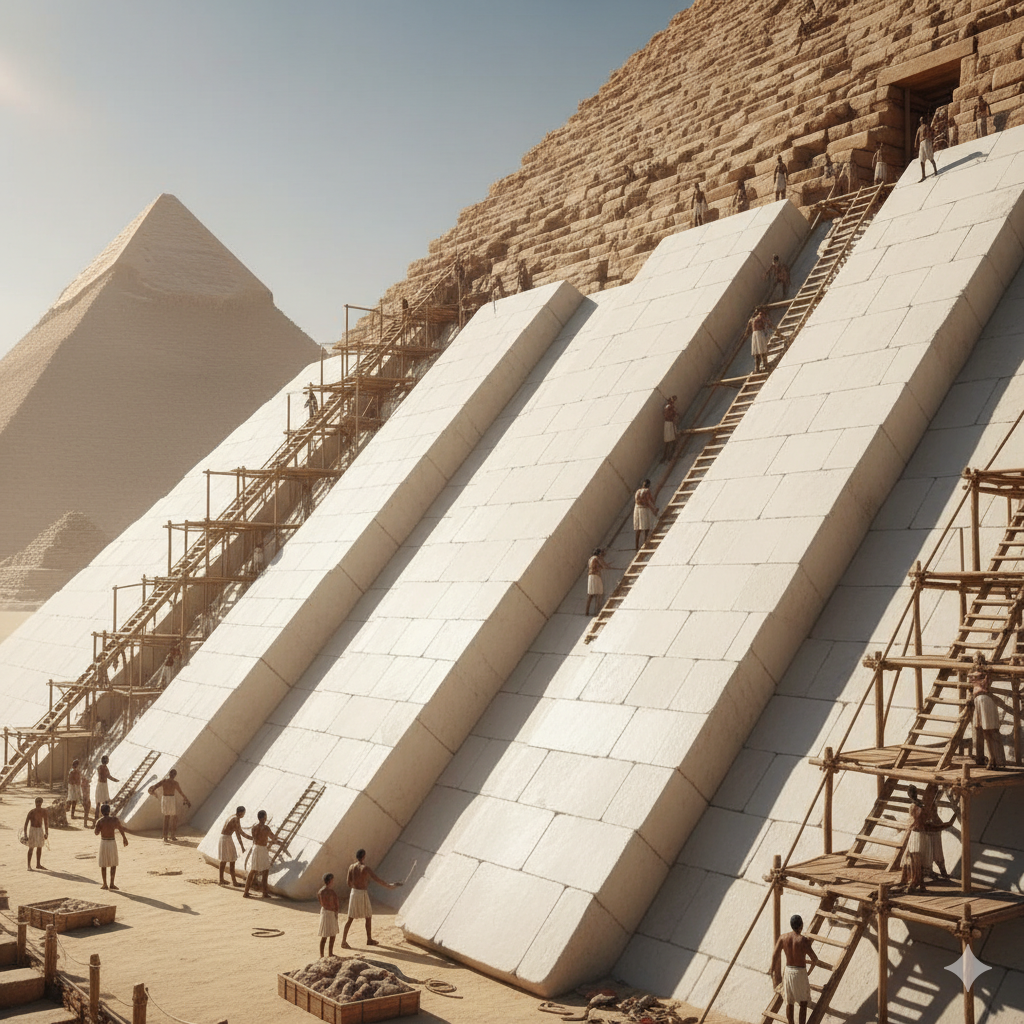
The calculations made up until now have only been estimates for the core, omitting the processes for the King’s Chamber and the exterior decorative panels. The granite used in the King’s Chamber weighs between 50 and 80 tons.
Dozens of these were used. At this point, the situation is hopeless. The decorative panels are pure white limestone, each weighing around 10 to 15 tons. This is about five times the mass of the core limestone (2.5 tons), and around 115,000 of them were used. The reason we gave up on artificial calculations for these two points is that they would be impossible to build. We are at a loss for words.
Granite (King’s Chamber)
This is even more unusual. These stones are not found anywhere around the Great Pyramid. They came from a source 800 km away. They weigh up to 80 tons, and dozens of them were used.
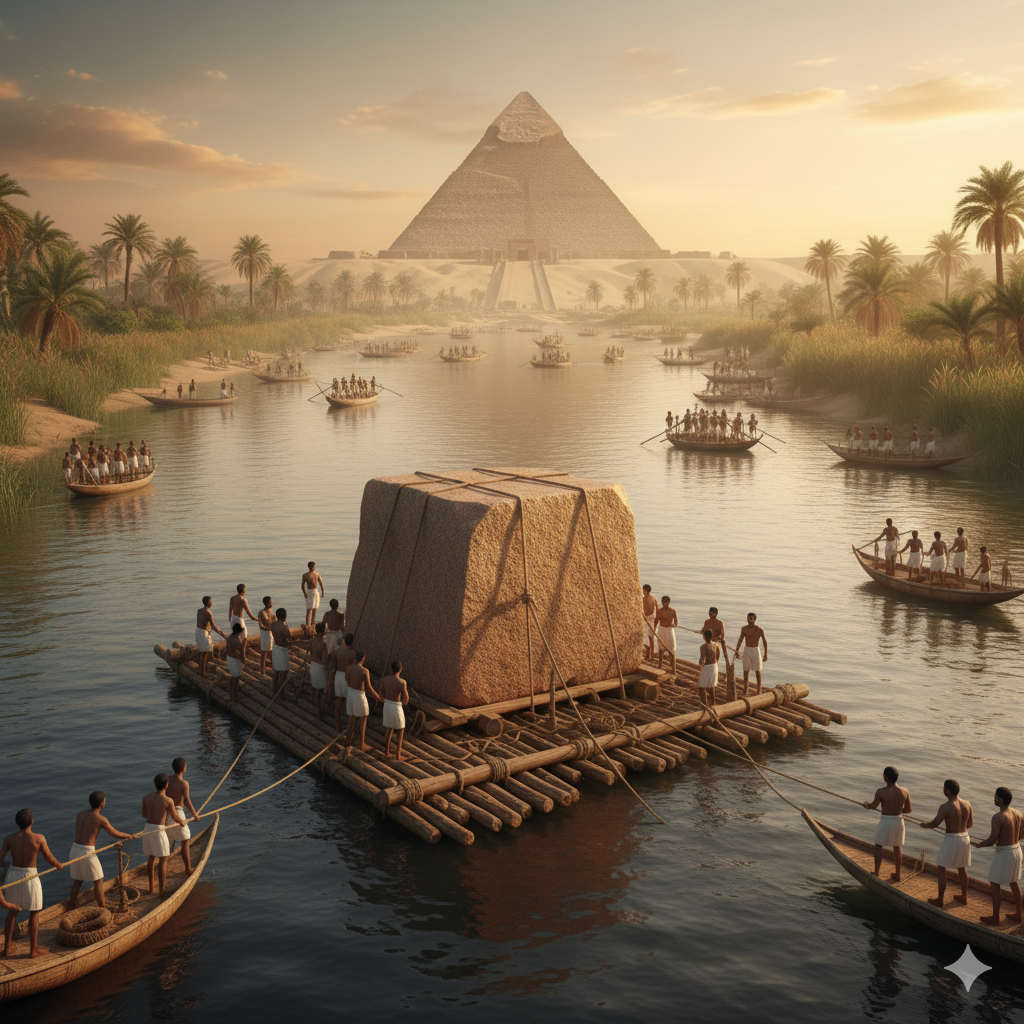
Furthermore, its hardness is incomparable to that of limestone, making it difficult to cut and process. At the time, copper was the hardest metal. Copper’s hardness is 3, while granite’s is 7.
This is like cutting a diamond with a plastic chisel. That alone is reckless, but the fact that this huge stone was lifted 43 meters above the ground and placed in place with an absolute precision is not just one or two. This stone alone is already an extraordinary feat, but what is even more incredible is the precision. Next, let’s take a look at its extraordinary specs.
accuracy
A:Direction
The four sides of the Great Pyramid are perfectly aligned north, south, east, and west. Its accuracy relative to true north is just 3 minutes (0.05 degrees). This level of precision requires a reference line of light that remains stable for several kilometers. This was before the invention of the compass.
B:Levelness
The level accuracy is such that the difference in elevation between the northeast and southwest corners of the base of the approximately 230 square meter building is within just 1.5 centimeters. This level can be said to be perfectly level. Even in modern building construction using the latest laser surveying equipment, it is extremely difficult to achieve this level of precision over such a wide area.
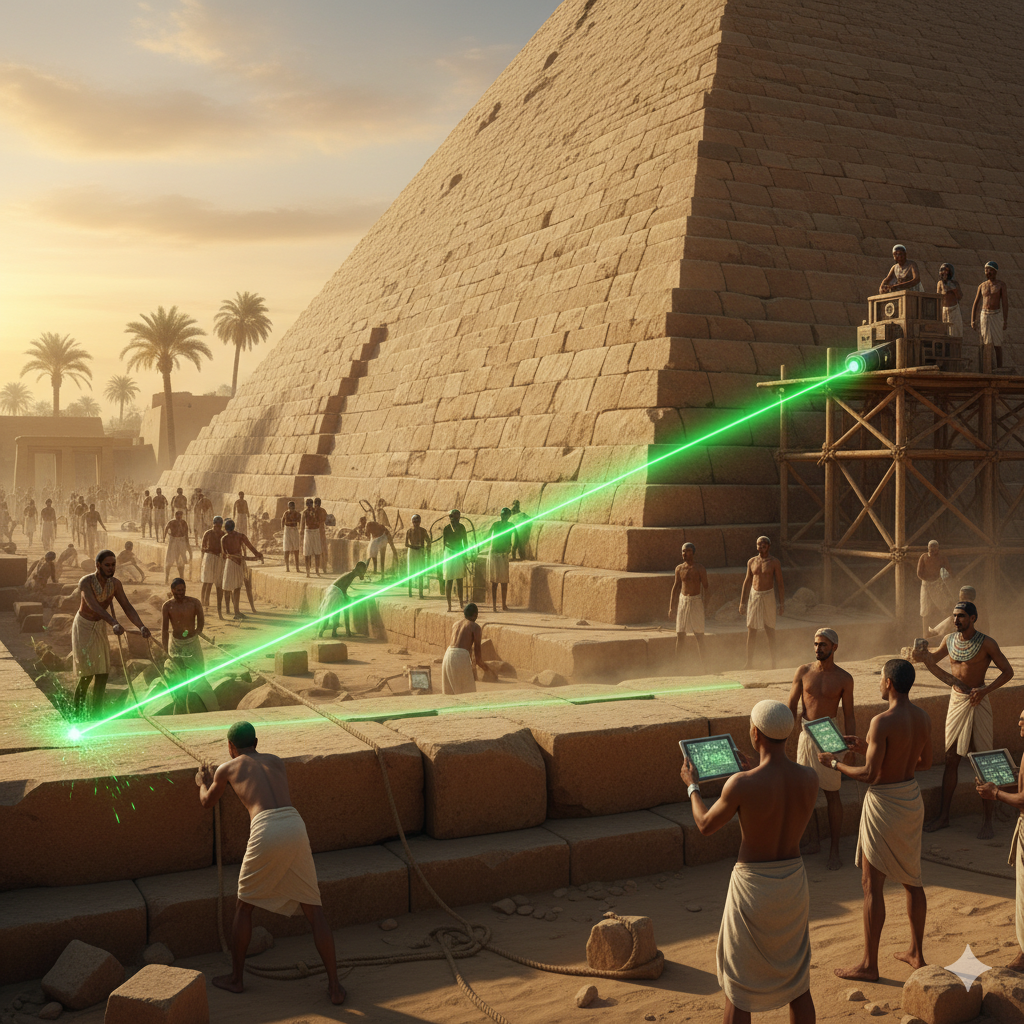
C:Special structure
The Great Pyramid is not a tetrahedron, but more precisely an octahedron. It is not perfectly flat, but has a depression in the middle that is invisible to the naked eye. Building it was already extremely difficult, but the trick was to make it bend inwards at an angle of just a few tenths of a degree.
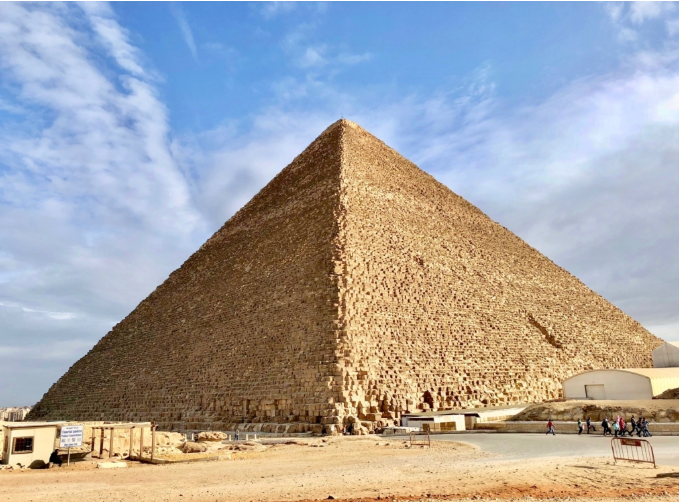
The purpose of this is to apply lateral force when assembling the decorative panels. It is a design that allows the panels to be bonded more strongly. I believe the decorative panels were attached after the core was completed, which is an extremely difficult construction method. The decorative panels must have been polished to a mirror finish.
The most accurate way to achieve this is to polish them from top to bottom after completion. Otherwise, it is impossible to achieve a smoothness of 0.25mm. This process is also flawed. However, if the pyramid is built to be this strong, its lifespan will be tens of thousands of years.
And here’s the icing on the cake. The King’s Chamber of the Great Pyramid is capable of generating standing waves. It only takes one line to explain how difficult this is.
D:Standing wave
The conditions for standing waves to occur are that they originate from the same source, and unless the waves are one-dimensional or plane waves, the amplitude will differ due to attenuation at locations at different distances from the two sources, and standing waves will not occur. To create a standing wave, the same sound waveform must be combined at the same volume.
The theory used in the Great Pyramid is that when a wave is reflected off a surface perpendicular to the wave’s direction of travel, a reflected wave is generated that travels in the opposite direction to the incident wave. A standing wave is created by combining this incident and reflected wave. Amazingly, this was achieved in the King’s Chamber of the Great Pyramid.
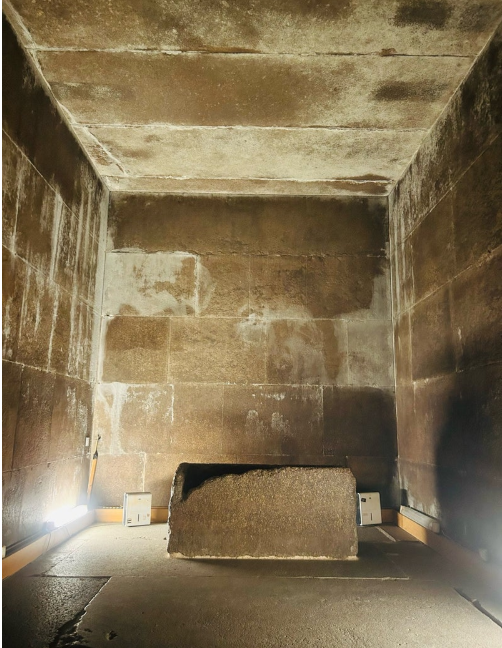
The granite surface of the King’s Chamber is somewhat uneven. If this space targets low-frequency waves of a few hertz to a few hundred hertz, the wavelength will be several meters to several tens of centimeters. If the surface unevenness is small enough compared to the wavelength, the wave will undergo “specular reflection” rather than diffuse reflection.
A wave traveling in a certain direction is called a traveling wave

Standing waves are waves that oscillate in place without moving in either direction.
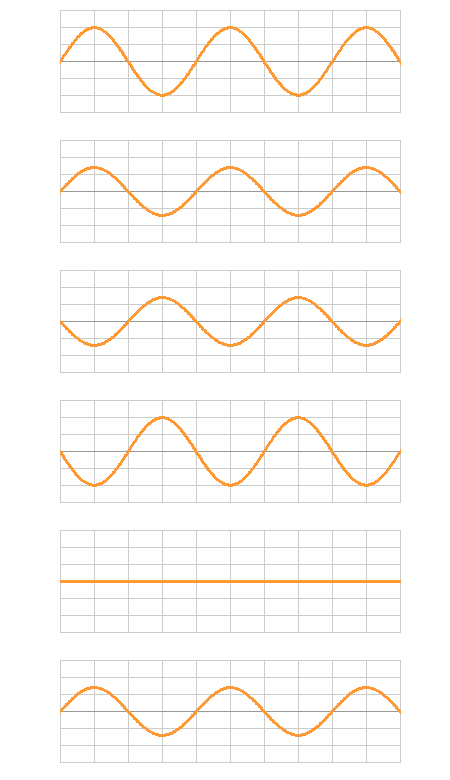
Granite is extremely dense, and when sound hits a wall, very little energy is absorbed within it. This “hardness” is crucial, preventing sound energy from escaping and reflecting it back almost 100%. Even a rough, slightly uneven wall functions as a “solid mirror” that doesn’t let any energy escape.
The real madness begins here.
Even if the surface is slightly rough, as long as the opposing walls are parallel with microscopic precision, the waves will continue to bounce back and forth, and the energy will continue to amplify exponentially (resonate). The King’s Chamber walls measure approximately 5.8 meters from floor to ceiling, but their overall height varies by just 0.5 mm. Over the entire length of the room (approximately 10.5 meters), there is less than 2 mm of variation from location to location.
The precision with which the granite blocks in the King’s Chamber are positioned seems to mock the limits of the laser markers and spirit levels used on modern construction sites. While maintaining this precision, the gaps between the stones are just 0.5mm. This is only possible if the surfaces of the joining stones are perfectly aligned.
Even with modern technology, it would be impossible to create this inside a pyramid 43 meters above ground. It would be impossible, no matter what means, to maintain this high level of precision by quarrying a stone every 2 minutes and 11 seconds, processing its surface, and stacking it to a height of 140 meters.
The King’s Chamber is not simply constructed by stacking stones; every component is made and assembled with microscopic precision. What I mean is the unreality of this actually existing in Egypt. If this project were successful, the population surrounding the Great Pyramid, including the backyard, would be equivalent to 180,000 people living there at any given time.
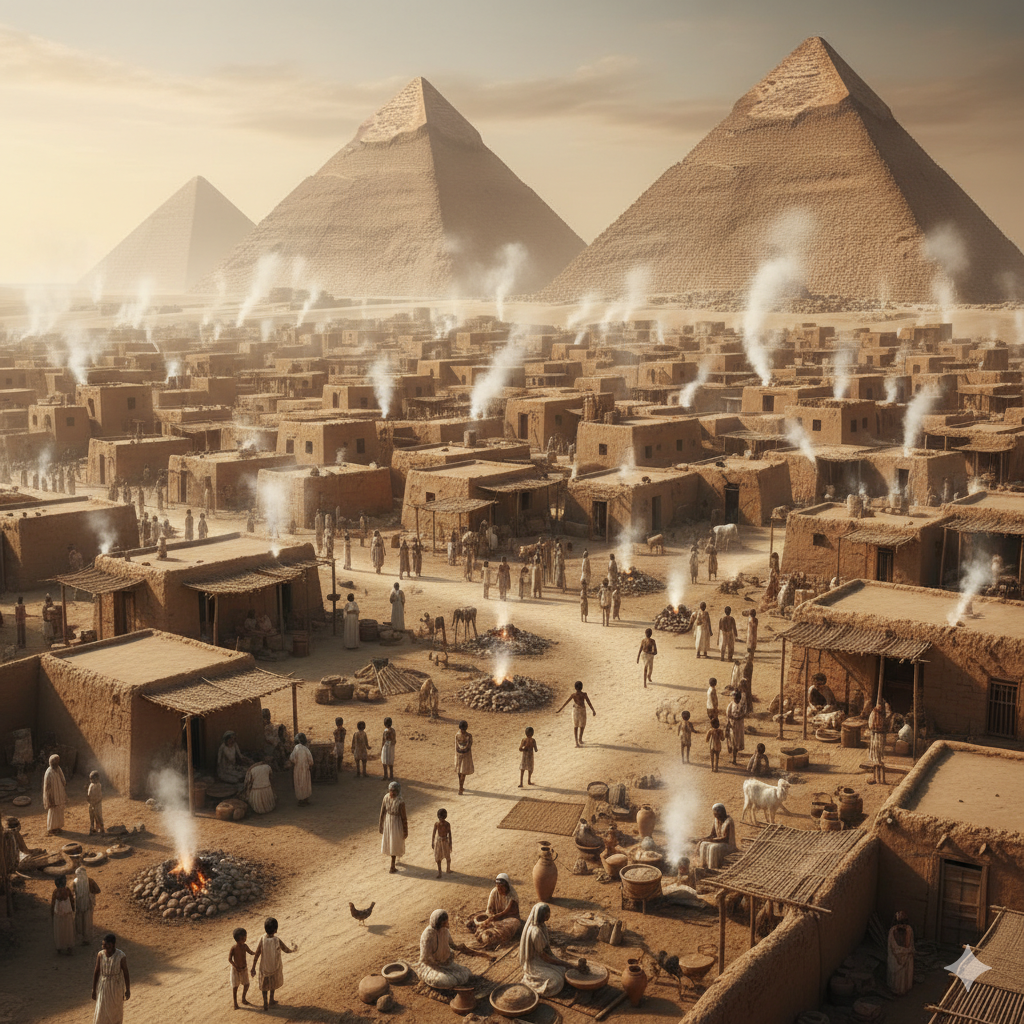
However, the latest excavations estimate that the town’s population ranged from around 7,000 to a maximum of 10,000. The amount of farmland needed to provide the necessary calories would rival that of Washington, D.C. To maintain construction for 20 years would require a constant need for new workers, and many children.
Facilities and food for children and women would also be needed. Overall, a city of around 500,000 people would be needed. Furthermore, 35,000 people would need housing within walking distance. Could the pyramids really have been built? The chances are slim to none.
Technological Singularity
Typically, human civilization and technology evolve through repeated trial and error, following a gentle parabolic curve. However, the construction technology behind the Great Pyramid (Khufu’s Pyramid) completely rejected “order” and “consistency.”
Pyramids built before the Great Pyramid collapsed due to design errors (the Bent Pyramid) or were structurally unstable.
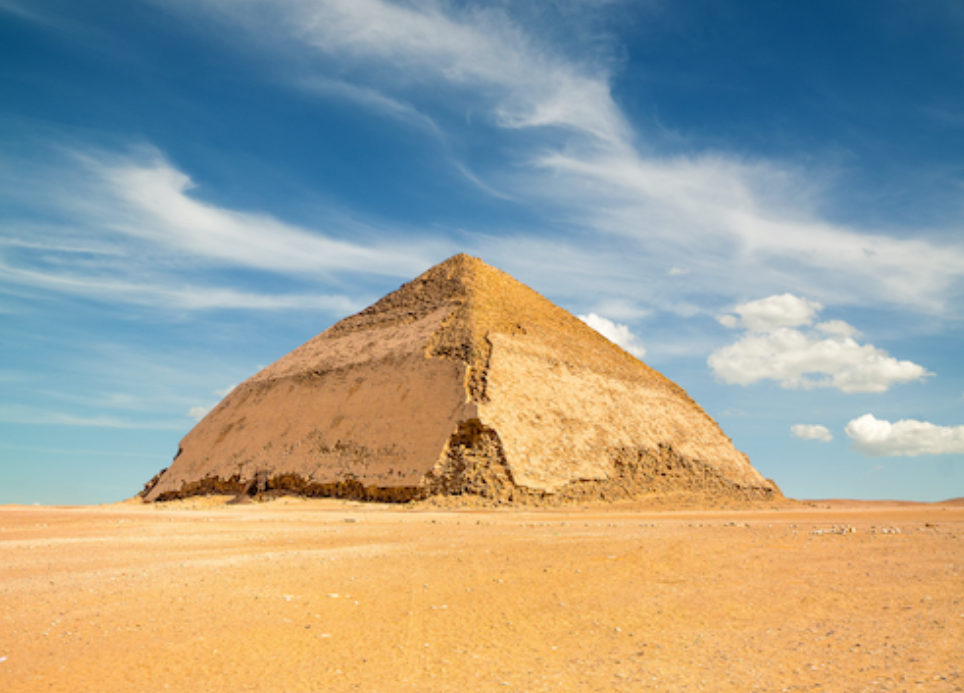
However, during the reign of Khufu, the pyramid was suddenly realized as a “perfect” finished product, both mathematically and physically. What’s even more strange is that the pyramids built after Khufu did not improve in technology with each successive generation, but rather rapidly and cruelly deteriorated. Subsequent kings were not even able to “replicate” the feat of their predecessors. The stone laying became sloppy and the precision declined, and today many of the pyramids have become nothing more than piles of stone.
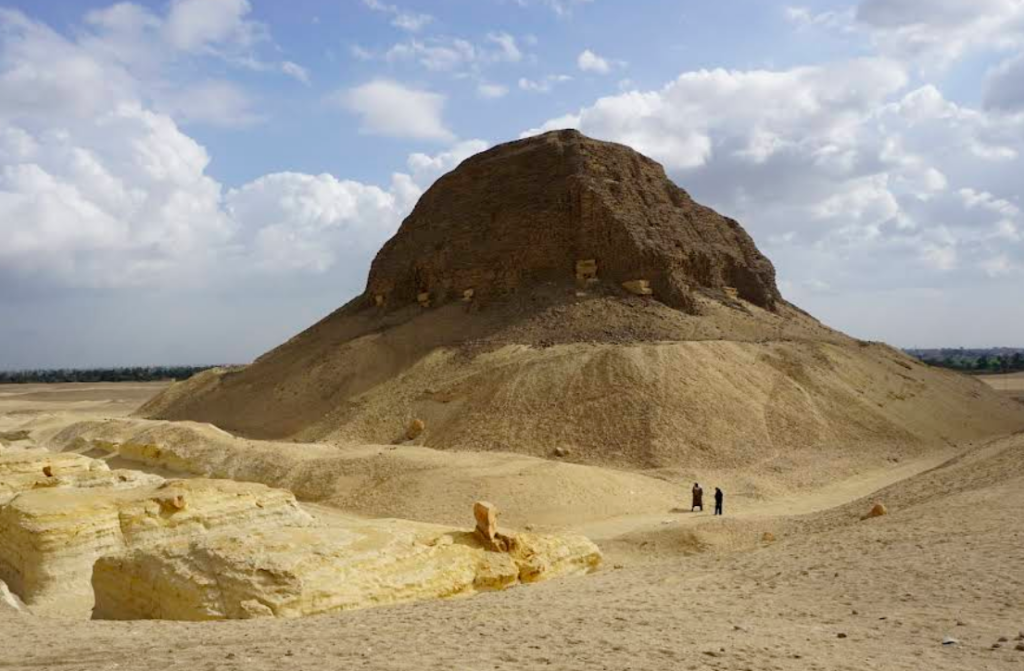
This phenomenon of “cutting-edge technology suddenly appearing and suddenly disappearing” is highly inconsistent with the autonomous evolution of humanity. Was it really built by Pharaoh Khufu?
How do we know that the Great Pyramid was built by Pharaoh Khufu?
Let’s dismantle the evidence.
Examining the evidence for the Great Pyramid
1:Herodotus’s Histories
Herodotus, known as the “Father of History,” wrote about the construction of the Egyptian pyramids in his book The Histories (Book 2, Euterpe).
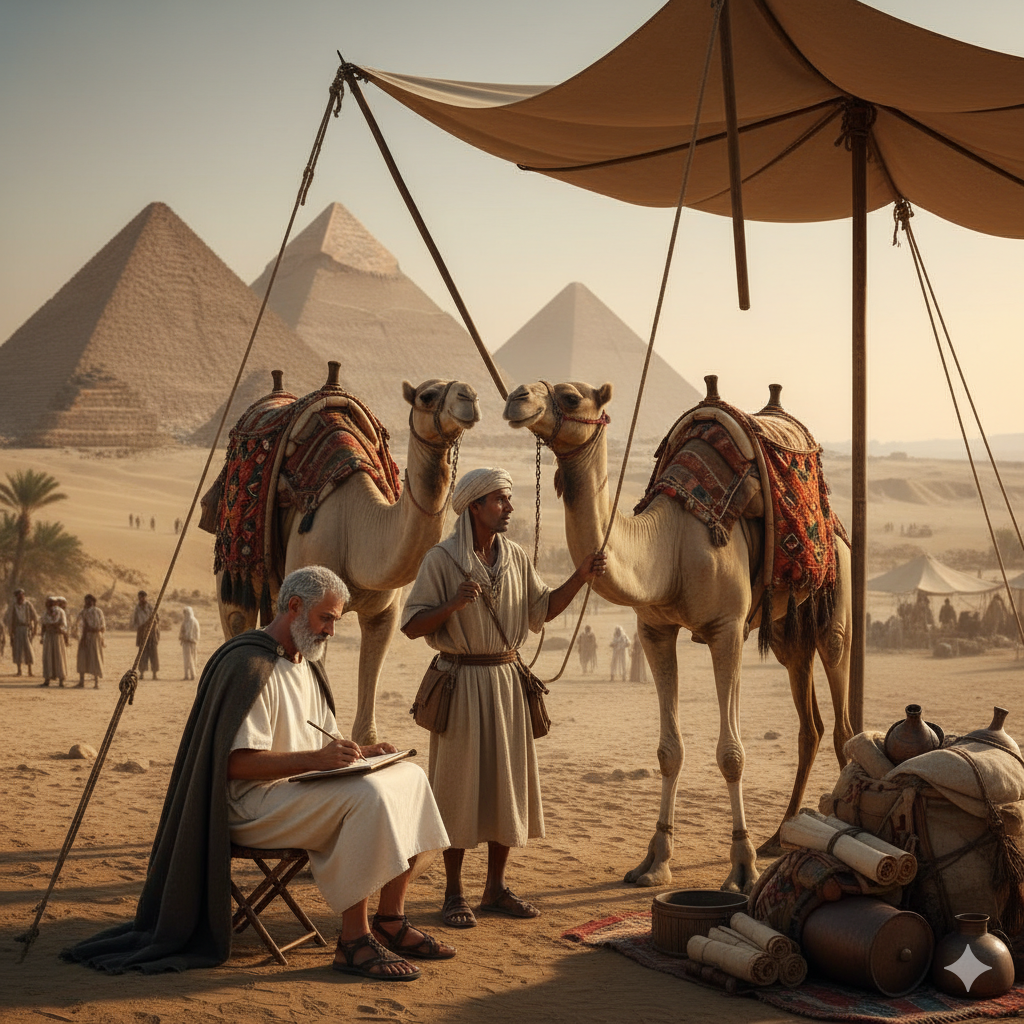
During his travels to Egypt in the 5th century BC, Herodotus interviewed local priests and guides to identify the creators of the structures now known as the three great pyramids of Giza.
The creator of the Great Pyramid was Pharaoh Khufu, who planned this enormous structure as his tomb, mobilizing 100,000 workers in three-month shifts, and completing the transport roads and the pyramid itself over the next 20 years.
In verse 127, Herodotus writes that after Khufu’s death, his brother Khafra succeeded him to the throne and built a pyramid next to it. This is the Second Pyramid.
In verses 129 to 134, Herodotus attributes the creator of the third pyramid to Menkaure. He also notes that it was the smallest of the three, with a base less than half the length of the Great Pyramid, and that its lower half was covered with stone (granite) from Ethiopia.
Thus, although there are descriptions in the Histories, they do not constitute proof of fact. Herodotus visited Egypt 2,000 years after the pyramids were built, and he only recorded what the priests and guides told him. Hearsay has zero evidential value.
2:Carbon dating
Let’s take a look at carbon dating. Earth’s carbon is composed of stable carbon-12 and the radioactive isotope carbon-14, which exists in very small amounts. Neutrons raining down from space collide with nitrogen atoms in the atmosphere, producing carbon-14. Plants absorb carbon dioxide through photosynthesis, maintaining a constant carbon-14 ratio within their bodies. When an organism dies, it stops absorbing carbon.
Carbon-14 is unstable, so it decays back into nitrogen at a constant rate. Its half-life is approximately 5,730 years. Charcoal, a relatively reliable material, is used to date pyramids. Once created, charcoal is highly resistant to attack by acids, alkalis, and microorganisms.
The number (ratio) of stable carbon atoms (C12) to radioactive carbon atoms (C14) can be used to date pyramids. The question is whether the charcoal dates the pyramids from their construction year. The charcoal used to date the pyramids was charcoal powder remaining in mortar. Research has revealed that it dates to around 2500 BC.

The surface of the pyramid that we see today has been weathered and repaired countless times over the course of 4,500 years.
However, in the large-scale surveys conducted in 1984 and 1995, many of the samples were taken from “reachable areas,” i.e., from areas close to the pyramid’s outer layer.
This is because, when the craftsmen of the time lit fires and mixed mortar during repairs, the charcoal powder seeped into the mortar, and when modern scientists scraped it away, the results would naturally point to the “era of repairs.” Furthermore, the limestone that makes up the core has countless gaps on the order of a few centimeters, allowing charcoal powder to get in through these gaps. Internal charcoal powder also lacks accuracy as a sample. Therefore, its evidentiary value can be determined to be weak.
3:Records
We will examine the documents that remain.
They were discovered in 2013 at the site of an ancient port called Wadi el-Jarf, near the coast of the Red Sea.
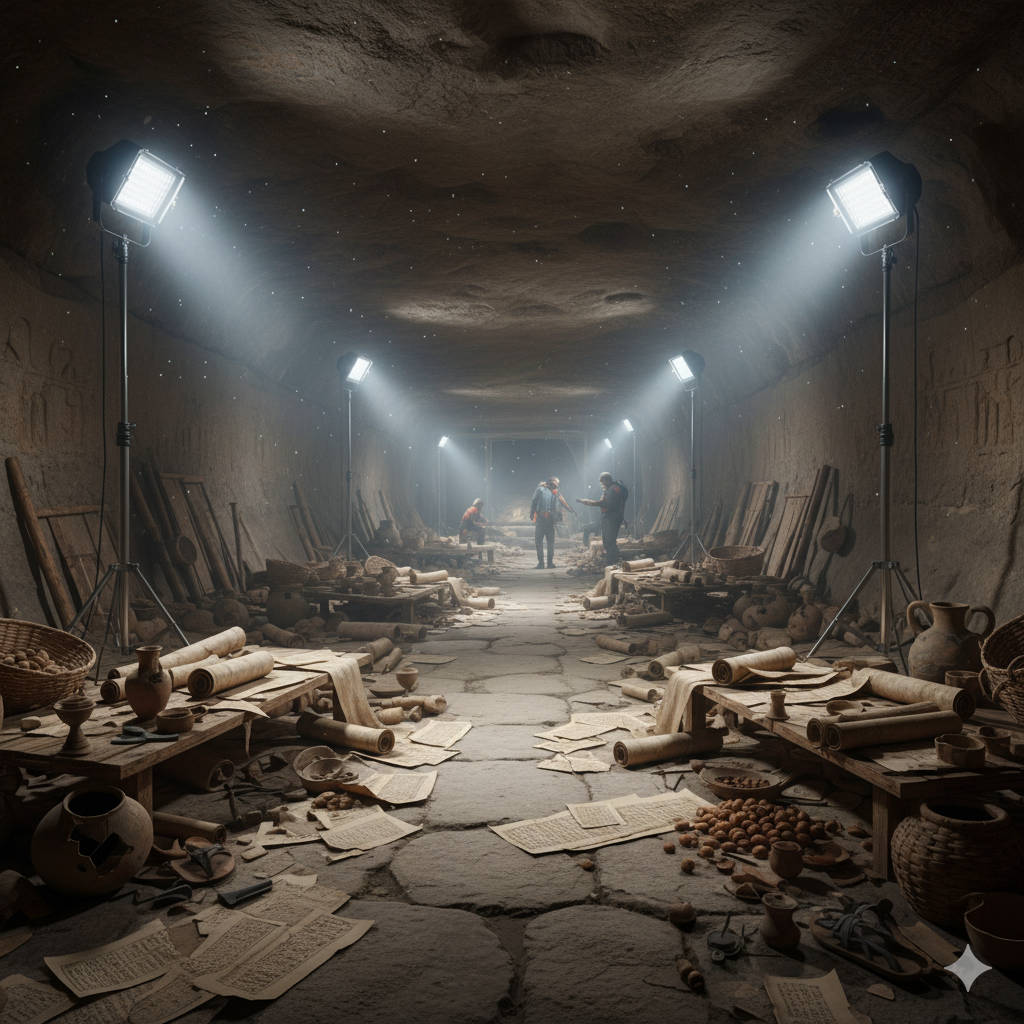
This is the only surviving “vivid record of the time of construction.” A papyrus written by Merel, one of the site supervisors in the 27th year of Khufu’s reign, contains an entry that states, “High-quality limestone (exterior stone) was transported by ship from Tura to Giza.” Dating confirmed that it coincided with the reign of Khufu.
This is first-rate evidence. However, it is unclear whether the decorative panels were used in the construction of the Great Pyramid. Their size is also unknown, and they may have been used for other purposes. Therefore, this direct evidence that Khufu built the Great Pyramid is, at best, 50/50.
4:Signature of Khufu
This is currently the most compelling evidence. It is a major discovery that clearly establishes that the Great Pyramid is the pyramid of Khufu. The signature “Khufu” remains on the Great Pyramid. We will examine how this major discovery of the century was made and its evidentiary value.
In 1837, explorer Howard Vyse discovered four chambers above Davison Hall. This alone was a major discovery. Vyse also discovered the signature of “Khufu” written on the ceiling of Campbell Hall.
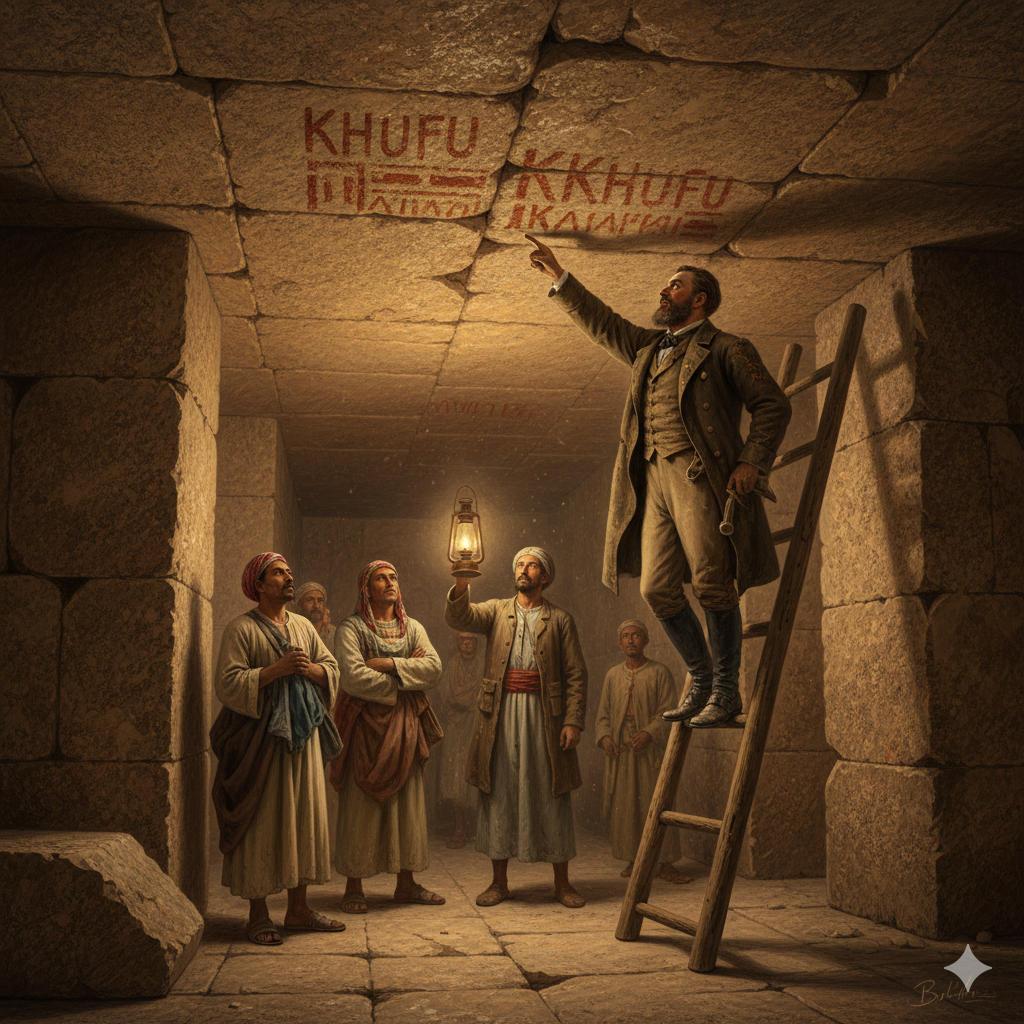
This news spread around the world and became a major news story. It was the moment when the creator of the Great Pyramid, which had been a mystery until then, was revealed to be “Khufu.” Howard Weiss’s name was forever engraved in the history of pyramid excavation. We will examine the true facts behind this news and examine the value of the evidence of “Khufu’s” signature.
Signature review
A:Fact
In 1837, Howard Vyse used explosives to force his way onto Davison Hall, which had been discovered in 1765.
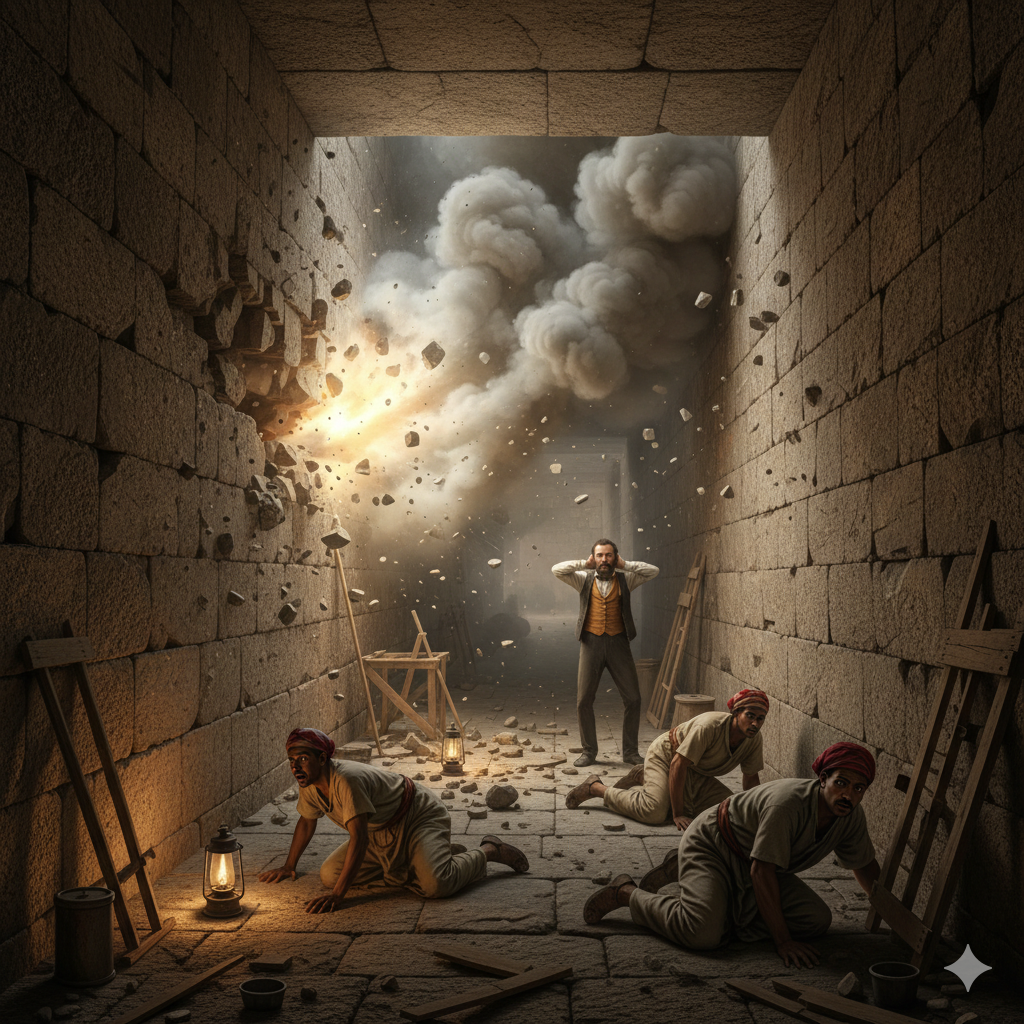
This led to the discovery of four rooms. Hundreds of graffiti, written in red pigment, had been found on the walls of these rooms. Most of them bore the names of work teams, such as “The Friends of Khufu” or “The Power of Khufu.” Among them was Khufu’s cartouche (a frame surrounding the king’s name), which later became the only direct evidence that the Great Pyramid was built by Khufu. If this graffiti was from the original construction, it would be first-rate evidence.
But consider this: The King’s Chamber and the adjacent rooms were of the utmost importance to the king. Leaving countless graffiti there would be punishable by death for the writer and anyone involved. And there’s no way the king would leave it unrepaired for future generations. Yet Weiss discovered countless graffiti there. This is puzzling. Many mysteries remain about this discovery, and theories of fabrication continue to simmer. To assess the value of the evidence, let’s look at the character of Howard Weiss.
B:Howard Weiss’s profile
Howard Vyse’s family was not simply “rich,” but descended from a military elite close to the British royal family. From the moment he was born, Vyse belonged to a class destined to “win” and “rule.” For him, the Egyptian desert was not a place of academic exploration, but merely a “new battlefield” where he could further enhance the honor of his family name. He was both a soldier and a politician.
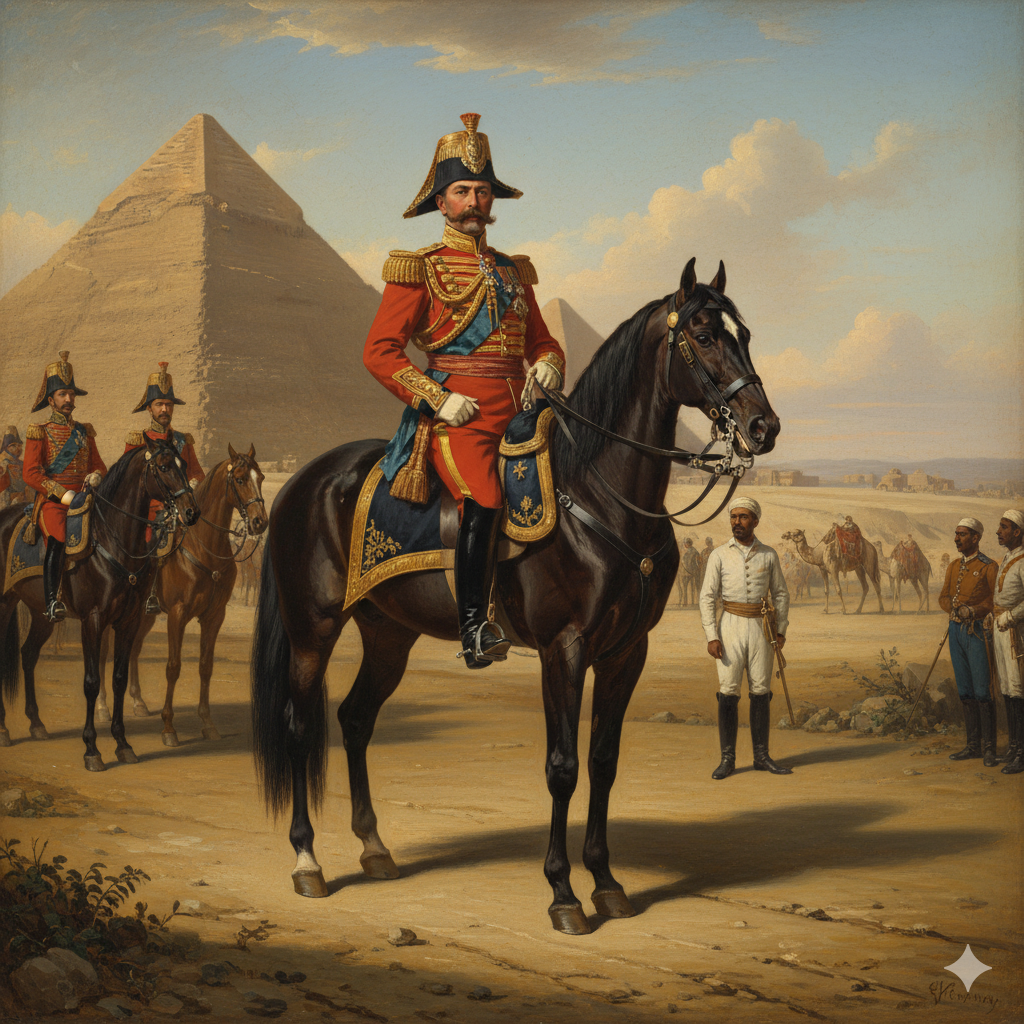
This political background would later serve as a powerful pressure point when he forcibly obtained research permits in Egypt and suppressed inconvenient truths. He was the type of man who relied on his connections in London and the size of his bank account rather than on his intellect on the ground. Weiss arrived in Egypt in 1835.
By that time, he was already in his 50s, past his prime as a military man, and anxiously seeking some kind of immortal achievement. Initially, he was merely a tourist, but as soon as he realized the value of Egypt’s massive ruins as a source of fame, he invested his own money in large-scale excavations. However, he lacked archaeological knowledge, an understanding of stonework, or the ability to decipher hieroglyphics.
All he had were gunpowder and money to hire diggers. In 1836, Weiss, financially well-off but unfamiliar with the field, partnered with the experienced Caviglia. However, this oil-and-water combination soon proved unsuccessful. Caviglia was a former sea captain and a rare field explorer of his time, fascinated by the mysteries of Egypt. As early as 1816, he had explored the descending passage of the Great Pyramid and discovered the “Dream Stela” located between the breasts of the Sphinx.
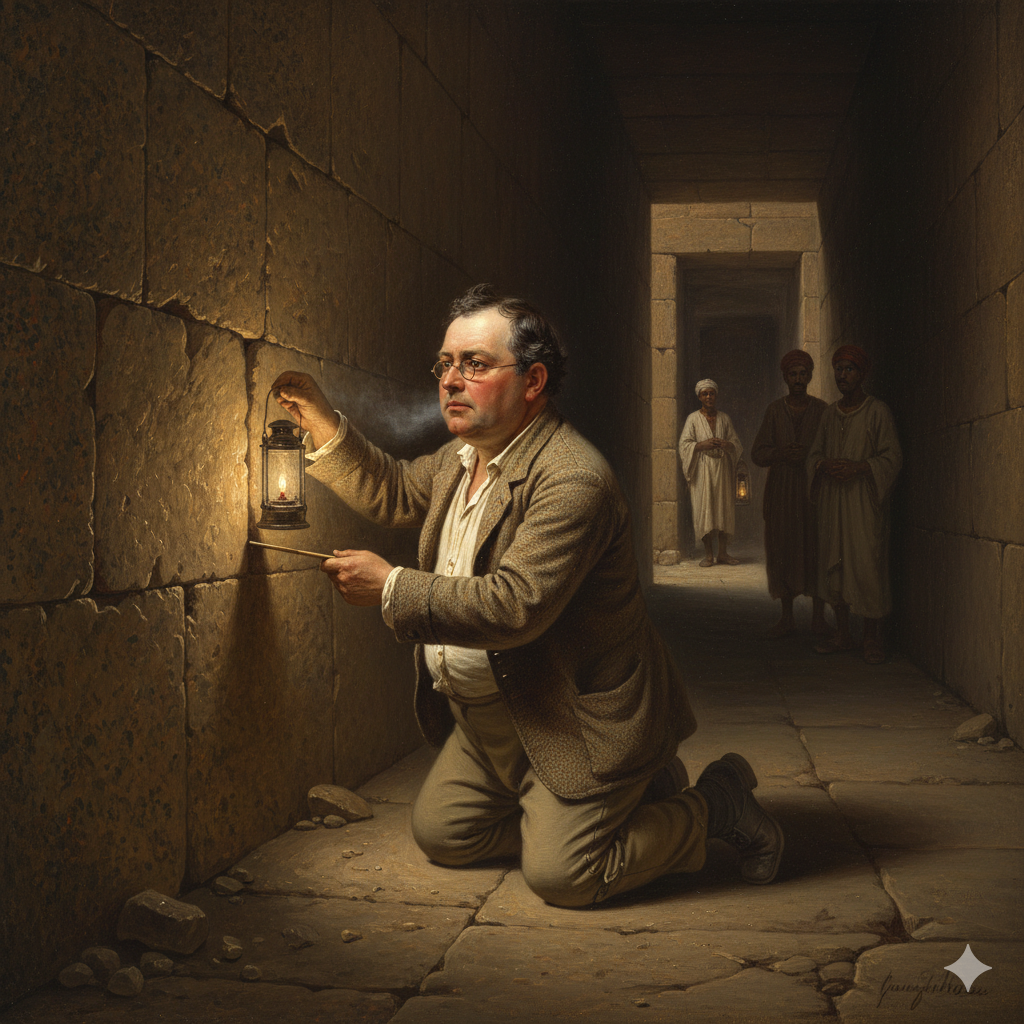
He believed that the pyramids were not simply tombs, but structures containing hidden cosmic knowledge and unknown passages. This led him to conduct his research carefully, placing emphasis on time-consuming “observation.” Weiss, on the other hand, favored “visual discovery” and was not afraid to destroy anything in order to achieve it quickly. In his diary, Weiss began to denounce Caviglia as a “superstitious, time-waster.”
When Caviglia attempted to investigate the minute air currents in the pyramid’s shafts, Weiss dismissed the idea as a “madman’s game.” The feud reached a climax in February 1837, when Weiss, backed by the power of British Consul General Campbell, effectively expelled Caviglia from the project. Weiss told Caviglia, “You’ll find nothing with your methods. I can’t let you spend my money,” and drove him from the research area he had been pursuing for years.
The fact that Weiss discovered the “Khufu graffiti” shortly after this expulsion was too opportune. After expelling Caviglia, Weiss hired an architect named John Pelling and consolidated his control. This was where he employed the most violent method in the history of the pyramids. Believing there to be a space above the “King’s Chamber,” he engaged in repeated gunpowder blasts over the course of several months to reach it.
He unleashed his military impulse to destroy this human treasure, boasting precise stonework. Amid the noise and smoke filling the pyramid’s interior, he drilled a hole to the “Gravitational Diffusion Chamber.” Between April and May 1837, Weiss reported the discovery of new rooms one after another. It was in the topmost room (Campbell’s Chamber) that he discovered the famous “red pigment graffiti.”
The graffiti, which had not even shown any sign during Caviglia’s years in power, was discovered just a few weeks after he was expelled, in a blast hole that only Weiss could access. Diaries from that time show that Weiss frequently visited the site at night, either alone or accompanied by a small group of trusted subordinates (who may later have been silenced).
The point that Caviglia later asserted most strongly in his letters and records, and in his accusation of Weiss, was that “the very idea of the discovery had been stolen.”

Shortly before being banished by Weiss, Caviglia had already inserted a thin reed into the ceiling of the Davison Room, convinced that an additional space existed above. He confided his hopes and belief in this “undiscovered space” to his collaborator, Weiss, as a sign of trust.
“I told him there was another room above the Davison Room. I identified its location and showed him the direction of his investigation. But he chased me away from the site to keep my knowledge for himself.”
Right after sharing Caviglia’s “intuition” and “seed of discovery,” Weiss suddenly fired him, citing the project as “unprofitable” and “slow.”
Just a few days after Caviglia left the site, Weiss blew up the spot Caviglia had pointed out and announced to the world the discovery of a new room, as if he had discovered it alone. “Colonel Weiss’s report is nothing more than a ‘plunderer’s diary’, listing only the facts that suit him and eradicating the dedication and knowledge of others.
He mocked my observational skills while secretly stealing the ‘signs’ I had discovered and planting the gunpowder.” “Weiss didn’t care about scientific truth. He simply wanted ‘proof of Khufu’ to talk about in London society. The fear of finding nothing drove him to madness (gunpowder and perhaps even greater injustice).” By labeling Caviglia a “madman” and an “incompetent,” Weiss succeeded in dismissing his accusations as “the ramblings of a jealous man.”
C:Examining Hieroglyphs
Let’s take a closer look at the hieroglyphs he discovered.
In fact, there was a spelling error in the hieroglyphs in the graffiti discovered by Howard Weiss. The name of Pharaoh Khufu was spelled incorrectly. Let’s take a closer look at what the error was.
The year 1837 was an extremely unstable, pre-dawn period in Egyptology. It was in 1824 that Jean-François Champollion deciphered the Rosetta Stone and announced his findings to the world. However, he passed away at a young age in 1832. In 1837, the world still lacked a “complete hieroglyphic dictionary.”
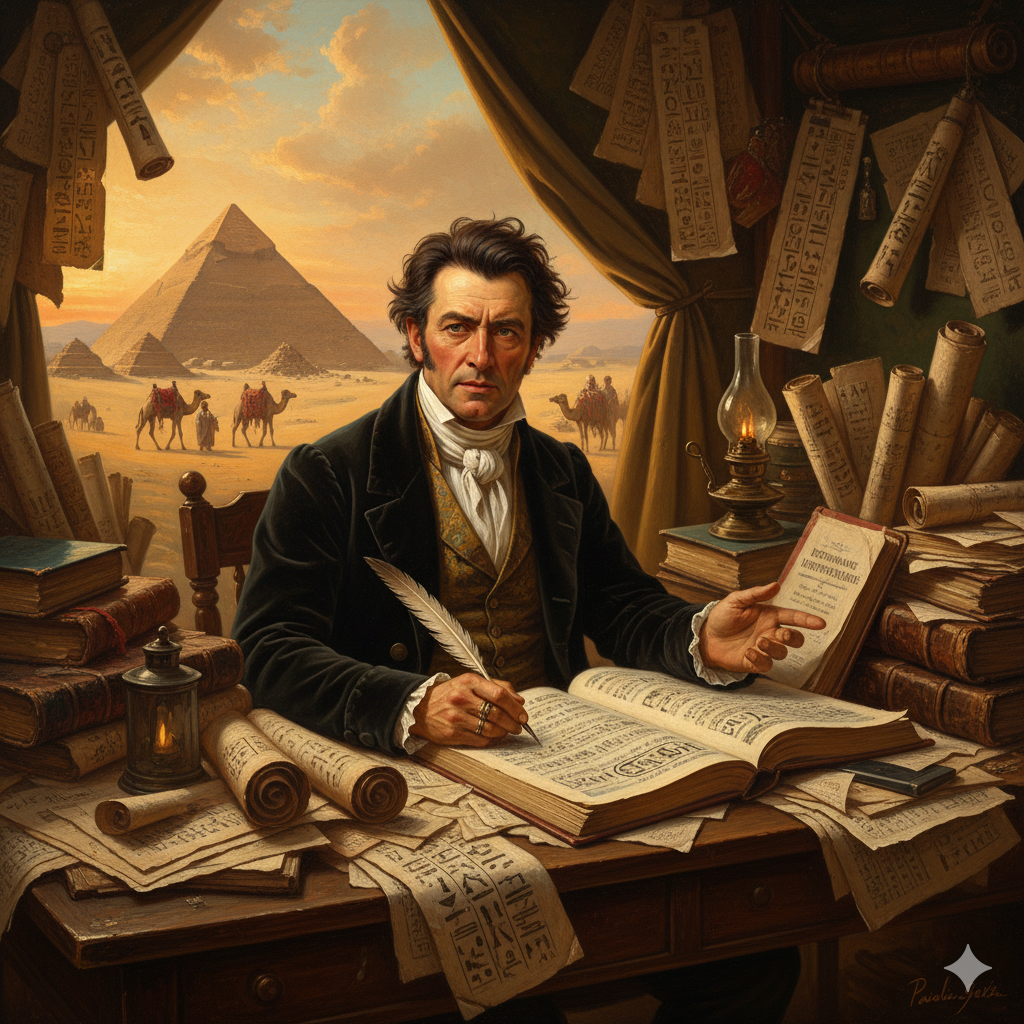
After Champollion’s death, scholars who took over the field of Egyptology were in the midst of sorting through his posthumous writings. The dictionary was published in succession between 1836 and 1841. In 1837, while Weiss was inside the pyramid, this supposedly “correct” book was still incomplete, having just begun to be published in French.
For Weiss, who was staying in Egypt, the most up-to-date resource he could rely on was fellow Englishman John Gardner Wilkinson’s Manners and Customs of the Ancient Egyptians, published in 1837. He was a skilled draftsman and field recorder, but not a linguist. The hieroglyphic catalogs included in his book contained numerous “scribbles” and “misidentifications.” Wilkinson understood Khufu’s name to be “Sufis” or “Shunoufis,” an ambiguous pronunciation derived from Greek. Weiss brought Wilkinson’s book to the site and copied the misspelled name of King Khufu that was inscribed in it onto the wall of the pyramid.
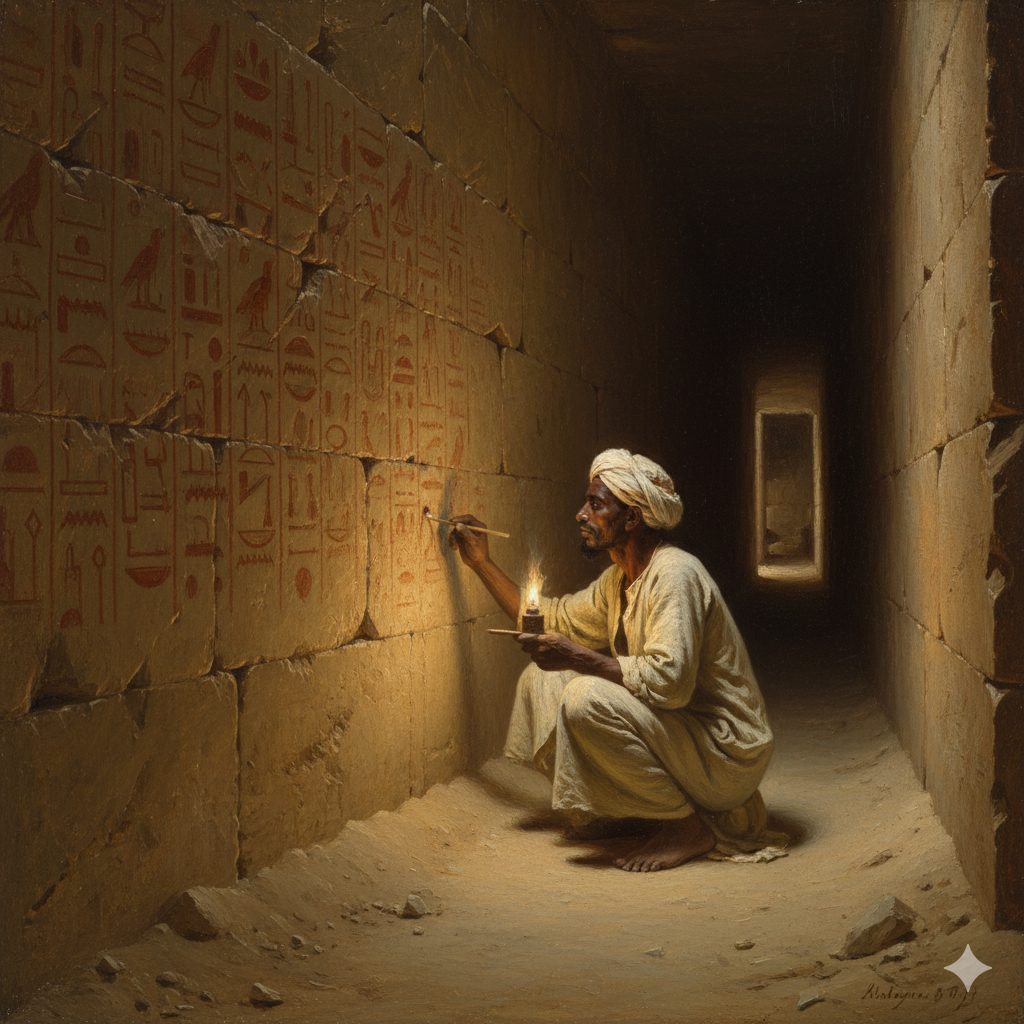
Modern dictionaries confirm that the initial “Kh” in Khufu (Kh-u-f-u) is a symbol for a polka-dot circle (a sieve). However, Wilkinson’s 1837 edition confused this with “a circle with a dot in the center (Ra, the sun).” Weiss, following Wilkinson’s mistake, wrote “Ra (the sun)” where he should have written “Kh.”
Wiss’s mistake was to inscribe “the incorrect characters popular in England in 1837” on a 4,500-year-old wall. There was no real linguist on-site who could immediately determine whether the characters were correct. Weiss assigned his subordinate, an amateur named Mr. Hill, to use the brush, resulting in shaky handwriting, a mixture of anachronistic scripts, and a mass production of graffiti that resembled hopeless garbage.
Howard Weiss’s greatest misfortune was that he failed to foresee that a more accurate dictionary (Champollion’s posthumous manuscript) would begin to circulate widely the year after his forgery. However, since the Wilkinson book he used as a reference was itself “a mass of errors,” his fabrication became a time capsule that permanently preserved the “errors of the 19th century.”
D:Paint scrutiny
We will examine the paint used in the graffiti he discovered. Many unnatural and inexplicable occurrences have been reported.
The graffiti found in the pyramid’s “Gravitational Diffusion Chamber” was made with a natural pigment commonly known as “red ochre,” whose main component is iron oxide (hematite). Red ochre is extremely chemically stable, and barely deteriorates over thousands of years, as evidenced by the clear appearance of cave paintings from tens of thousands of years ago.
This means that even if something was written yesterday, it is impossible to determine whether it was written thousands of years ago. However, in ancient Egypt, when writing on walls, it was common to mix a “binder (such as glue, animal glue, egg white, or gum arabic)” into the paint to help the pigment adhere.
Over millennia, the organic binder dries, cracks, and becomes integrated into the stone surface. When first spotted in 1837, the pigment was described as surprisingly “powdery” and almost crumbled to the touch. This suggests that it was not a carefully crafted paint made using ancient techniques, but rather a crude forgery made by simply dissolving the pigment in water on the spot and applying it hastily. Natural red ochre contains different trace elements depending on its source.
The chemical fingerprints of the ocher used in ancient Egyptian quarries and the industrial or artist’s ocher sold in Britain and Europe in the 19th century are crucially different. While the ancient pigment was hand-ground, resulting in irregular particles, the samples taken from Weiss’s graffiti are suspected to contain “too uniform particles” resulting from 19th-century industrial grinding techniques.
Unofficial reports suggest that samples have revealed traces of certain heavy metals, such as cobalt and manganese, used by artists of the time to speed up drying, as well as preservatives unique to the 19th century. Weiss discovered a new room by blasting a wall with gunpowder. At the moment of blasting, the surrounding stone is subjected to intense pressure, leaving gunpowder soot (carbon dust) and blast marks on it. If the red writing was painted on this soot or newly exfoliated surface, it is 100% a fabrication by Weiss.
It is physically impossible for a craftsman from 4,500 years ago to write on gunpowder soot 4,500 years later. In fact, in some places, it has been confirmed that the pigments are placed directly on the newly exposed rock surface, rather than on the old crust of the stone. At the heart of this scheme is Weiss’s loyal subordinate, Mr. Hill, himself an amateur painter. Comparing the graffiti inside the pyramid with Hill’s other sketches and diary entries reveals the distinctive curves and brushstrokes of someone with a 19th-century Western education in drawing.
In 1830s Cairo, pigments scraped from ancient ruins and inexpensive red ochre sold in local markets were readily available. Hill, either at Weiss’s command or on his own initiative, procured these pigments and smuggled them deep into the pyramid, where gunpowder smoke lingered. Ancient Egyptian scribes followed the protocol of “writing” rather than “drawing” letters, but Weiss’s graffiti is full of the unnatural distortions that result when a Westerner “pictorially reproduces” hieroglyphics.
Conclusion:
Thus, judging from the errors in the writing, the authenticity of the paint, and Weiss’s personality, we have determined that the name of Khufu written in the Davison Room has little evidentiary value. Historical records, dating, papyrus records, and the graffiti discovered by Weiss all generally have little evidentiary value. Therefore, the fact that Khufu built the Great Pyramid has not been completely proven.
So how did we know who built the other pyramids?
We will examine this as well.
Who built the Second and Third Pyramids?
1:Evidence that it was built by King Khafre
How was the second pyramid, i.e., the pyramid of Khafre, proven?
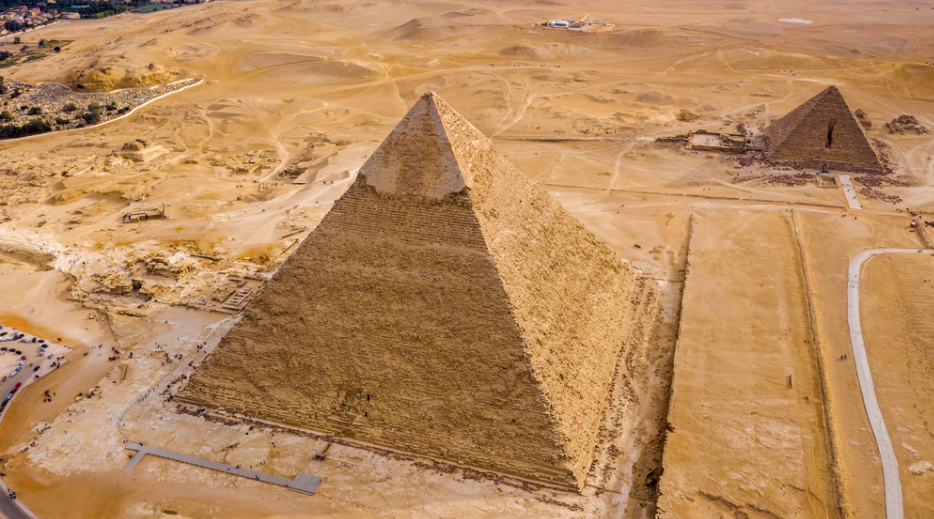
We will examine this. Surprisingly, the Second Pyramid is based on the extremely fragile premise that there is not even “direct evidence of the name of the builder” in existence. No inscriptions, inscriptions, or graffiti of any kind that could identify the builder have been found inside Khafre’s Pyramid. Ironically, the most prominent writing in the burial chamber is the Italian signature of its discoverer, Belzoni, who wrote it on the wall to boast of his achievement: “Discovered by Belzoni, March 2, 1818.”
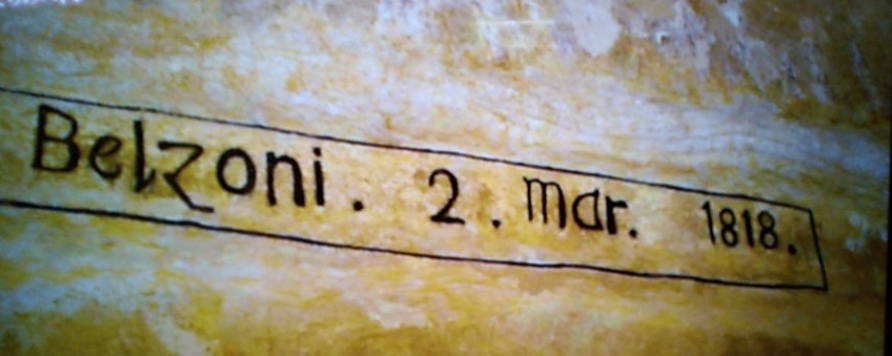
The strongest evidence for definitively claiming “this belongs to Khafre” lies not in the pyramid itself, but in the facilities surrounding it.
In 1860, Auguste Mariette discovered an extremely elaborate diorite statue of Khafre in a hole under the floor of the Valley Temple, southeast of the Great Pyramid. This is a syllogistic conjecture: “A statue of Khafre was found in the temple,” “This temple was built by Khafre,” and “The pyramid, which is connected to the temple by an approach path, was also built by Khafre.”
The discovery of the statue may be evidence that “Khafra managed and used the place,” but it does not prove that it was built from scratch. Because the Sphinx is located right next to the approach path to Khafre’s Pyramid, the conjunctive interpretation is that Khafre also built the Sphinx, and therefore the pyramid as well.
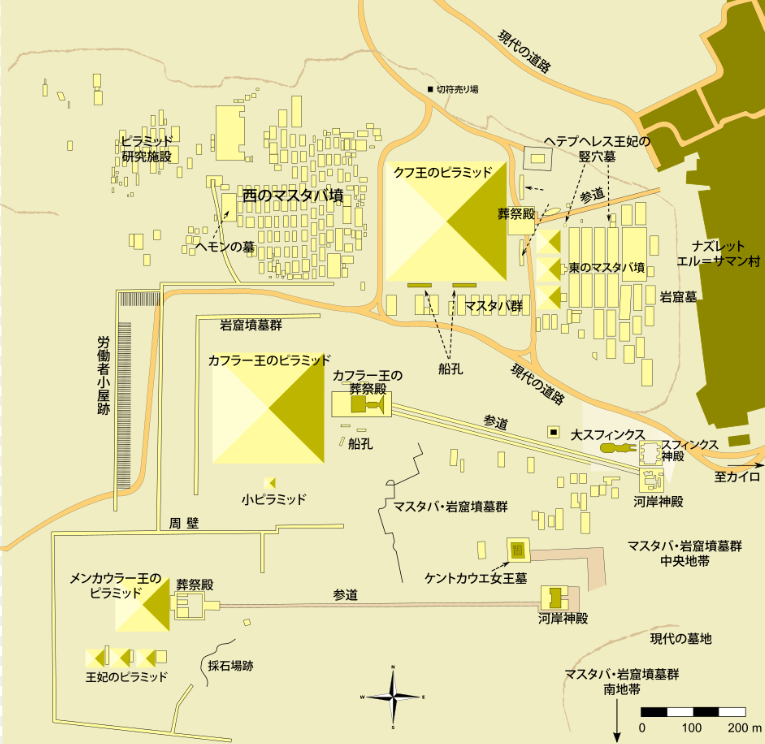
However, this is merely a loose association, tantamount to saying that someone built a building just because they lived nearby. Another major pillar of modern Egyptology is the writings of Herodotus, the Greek historian who visited Egypt in the 5th century BC.
Herodotus’s visit occurred more than 2,000 years after the pyramids were built, and the story he heard from a local priest—that Khufu’s brother, Khafra, became king after him and built a similar pyramid—was merely a tale believed by the people of the time.
This is not scientific evidence, but merely a consensus born out of the archaeological community’s desire for it to be true. In fact, there is no evidence at all. One more thing to note: the king after Khufu was not Khafra, but Djedefre. He reigned for eight years, but he did exist.
2:Evidence that Menkaure created it
If you look at the north facade of the Pyramid of Menkaure today, you can see a deep vertical groove (scar) that looks like a huge stone block has been gouged out lengthwise. This is the “Weiss Hole.”
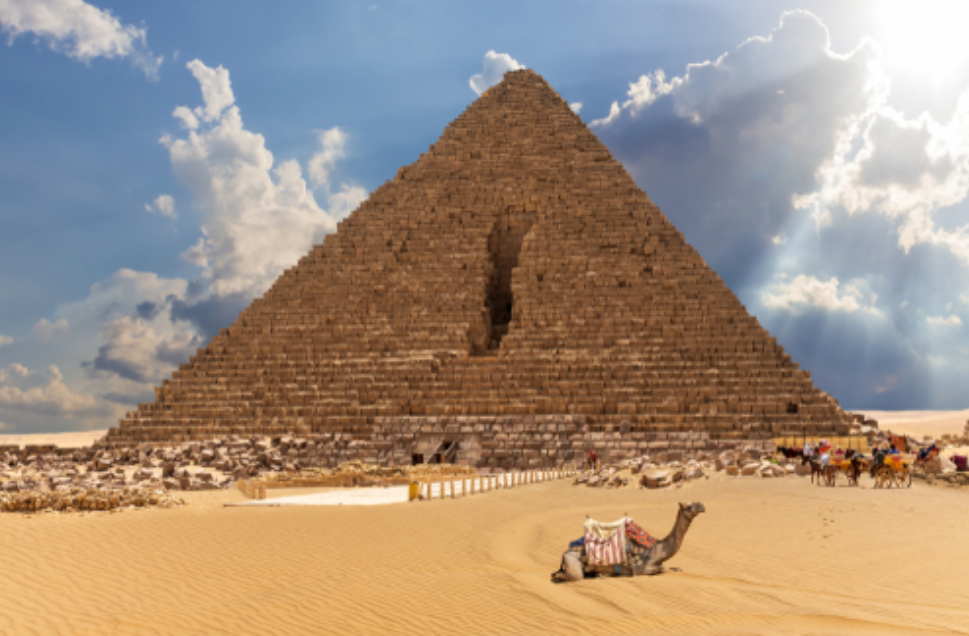
Initially, Weiss attempted to enter Menkaure’s Pyramid, but no matter how hard he looked, he was unable to find the original entrance. Over the course of several weeks in 1837, Howard Weiss repeatedly blasted the pyramid, ruthlessly smashing the outer and core stones of the pyramid.
He repeated the violent act he had committed at Khufu’s Pyramid with Menkaure. It wasn’t until Weiss used a large amount of gunpowder to pulverize the granite that an opening finally appeared. Once inside, he again claimed to have found traces of “red pigment.”
A:Signature of King Menkaure
Weiss reported that he had “discovered” the name of King Menkaure written in red pigment on the ceiling stone of a passageway inside the Third Pyramid.
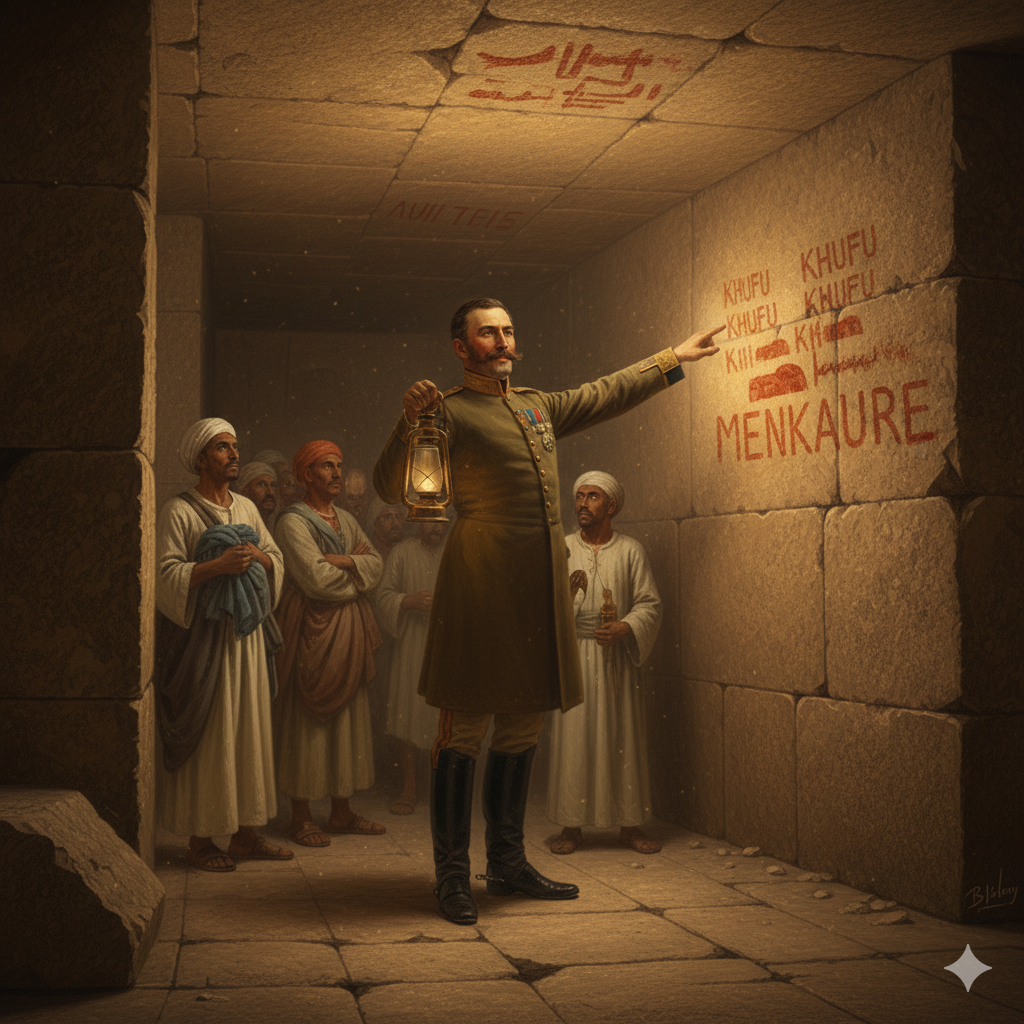
During the Fourth Dynasty, writing was typically in the highly geometric and strict style of “hieroglyphics.” However, the characters Weiss “discovered” were heavily influenced by hieratic (a priestly script/shorthand script) that became popular hundreds or even thousands of years later.
Menkaure’s name itself was correctly positioned, but the handwriting was not that of the Fourth Dynasty, but rather closer to the cursive hieratic writing used thousands of years later. When Weiss fabricated the “name” at the Third Pyramid, he used the aforementioned Wilkinson catalog as his model. He painted on the wall not in the “authentic style of the time,” but in a style further imitating the “style imitated by later generations.” This marked a more profound contradiction in history: a discrepancy in historical context that went beyond the accuracy of the characters themselves.
B:Tomb of King Menkaure
Amazingly, he reported two important “discoveries” in the pyramid’s burial chamber. Near the entrance to the burial chamber, Weiss discovered fragments of a wooden coffin bearing the name of Menkaure.
However, modern scholars who have carefully examined the style of this wooden coffin have confirmed that it does not date to the 4th Dynasty, but rather to the 26th Dynasty, more than 2,000 years later.
Inscribed in the center of the coffin lid is the following: “Menkaure, king of Upper and Lower Egypt, live forever. Born of Nut, goddess of the sky, heir to the earth god…” The coffins of Fourth Dynasty kings are typically very plain or feature only geometric decoration; the inscription of such a long spell and name together is a later style.
Modern linguists have carefully examined the inscriptions on the coffin and found that, although a name is inscribed, the grammar and spelling of the name are inscribed in a way that would have been impossible at the time of its construction. The name is Menkaure, and it is correct, but the use of the surrounding particles and verbs is in “modern Egyptian” from 2,000 years later, something that would never have been used by someone from the 4th Dynasty.
C:human bones
Human bones were also found near the wooden coffin.

Radiocarbon dating conducted in the late 1980s and 1990s confirmed that the bones date to between 200 and 500 AD, more than 2,000 years after the reign of Pharaoh Menkaure (c. 2500 BC).
So, who on earth prepared the coffin and bones before Weiss?
How could they have been placed inside the pyramid, which could only be accessed with a large amount of explosives, between 200 and 500 AD? This remains a mystery.
As an aside, in 1837, Egypt was in the heyday of looting and grave robbery. Ancient artifacts were openly bought and sold in the markets of Cairo and the cemeteries around Saqqara and Giza, and coffins and mummies of unknown origin were scattered everywhere. If you had the financial means and connections, it was easier to acquire a wooden coffin from the 26th Dynasty or unidentified bones found lying around than it would be to buy second-hand goods today.
D:Sarcophagus
Weiss discovered a very elaborate “basalt sarcophagus” deep inside the chamber. This sarcophagus was decorated with a “palace facade” that resembled the appearance of a pyramid. However, when they tried to transport this heavy sarcophagus to England, the transport ship “Beatrice” was wrecked off the coast of Spain, and the sarcophagus sank to the bottom of the sea. The Beatrice was wrecked off the coast of Spain in the autumn of 1838.
This was a time when public opinion was at its peak after Weiss had made a spectacular announcement in London about his “great discovery” in Egypt. However, with the sarcophagus sinking into the deep sea, Weiss’s “inaccurate sketches” and “exaggerated descriptions” became the only documents recorded in history. While some of the other lighter and smaller items were recovered or transported on other ships and arrived safely, for some reason only “Menkaure’s sarcophagus, the heaviest and most historically valuable item,” disappeared into the deep sea, where it could not be pinpointed and recovered. Was this a “coincidence”?
Conclusion:
Evidence that Pharaoh Menkaure built the Third Pyramid comes from graffiti, coffins, and human bones. However, the possibility of fabrication cannot be ruled out in Howard Weiss’s evidence. We have determined that these pieces of evidence have very little value.
We have carefully examined the evidence identifying the builders of the Great Pyramid, the Second Pyramid, and the Third Pyramid, but none of it has been conclusive. It is rather surprising that such weak evidence has led to the conclusion that Khufu, Khafre, and Menkaure built them. We are taught in textbooks that “the pyramids were built in 2550 BC during the reign of Pharaoh Khufu,” but this is not a fact; it is merely a wishful thinking on the part of people to believe that they were Pharaoh Khufu’s pyramid.
Next, we will look back at the history of ancient Egypt and examine whether the construction of pyramids was possible given the lifestyle and cultural level of the people at that time.
Lifestyle and cultural standards in ancient Egypt
Looking back at the history of ancient Egypt, it can be divided into the Old Kingdom, the Middle Kingdom, and the New Kingdom. It’s generally believed that the Old Kingdom was the most prosperous period, due to the construction of the gigantic pyramids, but is that really the case?
Looking at the development of human history, later periods tend to be wealthier. This is because people were able to inherit and develop past cultures. Let’s examine what the reality was. We’ll start with the New Kingdom, which is believed to be the poorest period.
1:New kingdom period
The New Kingdom lasted for approximately 500 years, from around 1550 to 1070 BC. It saw the expulsion of barbarians, the development of a commercial economy, and the expansion of the territory through 17 expeditions, culminating in the stability and prosperity of Tutankhamun and Ramses II. Huge palaces were built, including the Palace of Malkata, the Palace of Amarna, and the Palace of Pi-Ramses (House of Ramses).
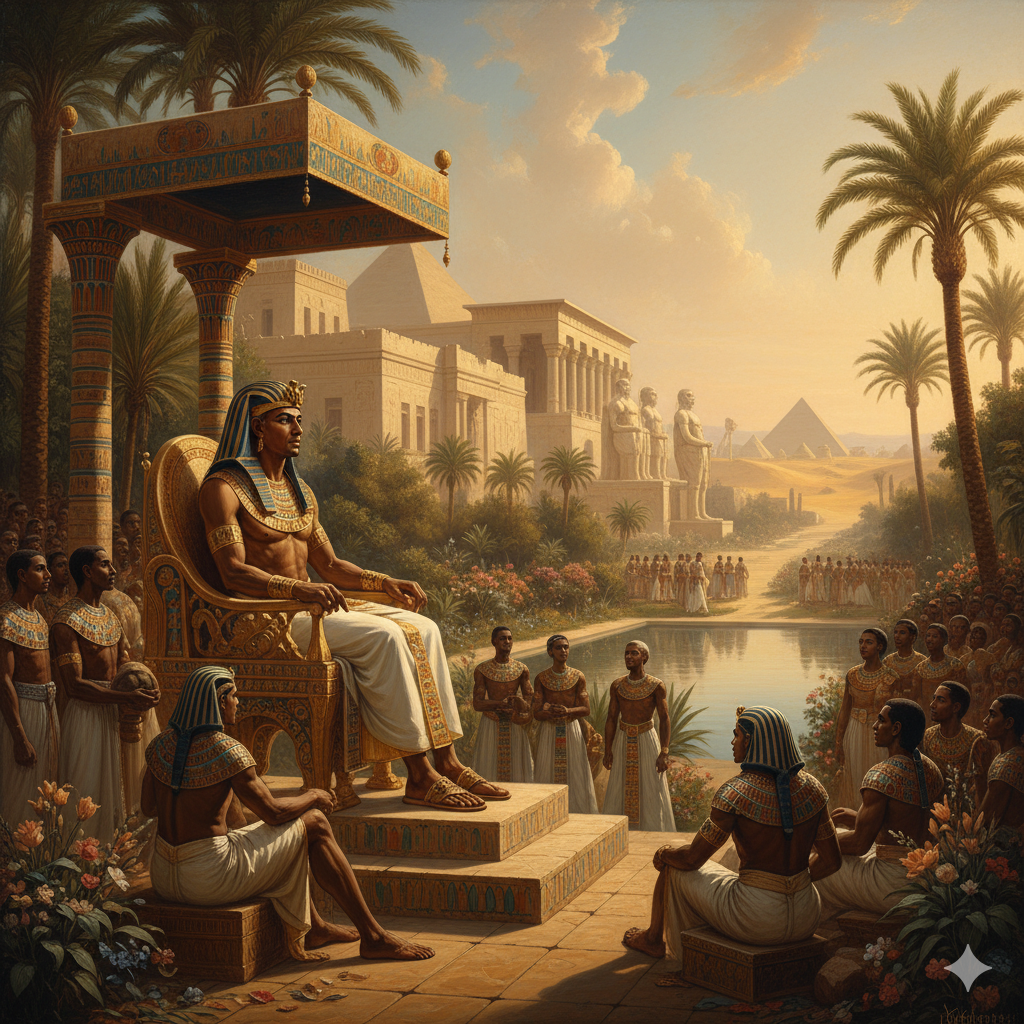
The estimated population was between 3 and 5 million. It was an empire, a city swollen with consumerism, military power, and information. 750,000 people lived in each city as royalty, nobles, bureaucrats, soldiers, and merchants. The remaining 85% are thought to have lived as farmers in small groups throughout Egypt. In terms of the proportion of farmers, imagine the Qing Dynasty in the 17th century. Next, we will examine the Middle Kingdom period.
2:Middle kingdom period
The Middle Kingdom lasted approximately 400 years, from 2055 BC to 1650 BC. Following the collapse of the Old Kingdom, Egypt fell into a period of warring states, with local officials competing for power. Mentuhotep II overthrew the Herakleopolitan government in the north and reunited Egypt as a single system. He stripped the local officials of their independent authority and established a centralized system of control centered around a “vizier.”
A fortified line known as the “Ruler’s Wall” was built along the northeastern border, physically blocking the influx of Asian nomads. This marked the peak of the “Classical” Egyptian culture. They invaded Nubia and took control of its gold mines. Nubian slaves were employed to mine gold, and vast amounts of gold flowed into Egypt. This dramatically promoted economic development, leading to the reclamation of the Faiyum Basin, irrigation projects, and the construction of gigantic labyrinth-like mortuary temples.
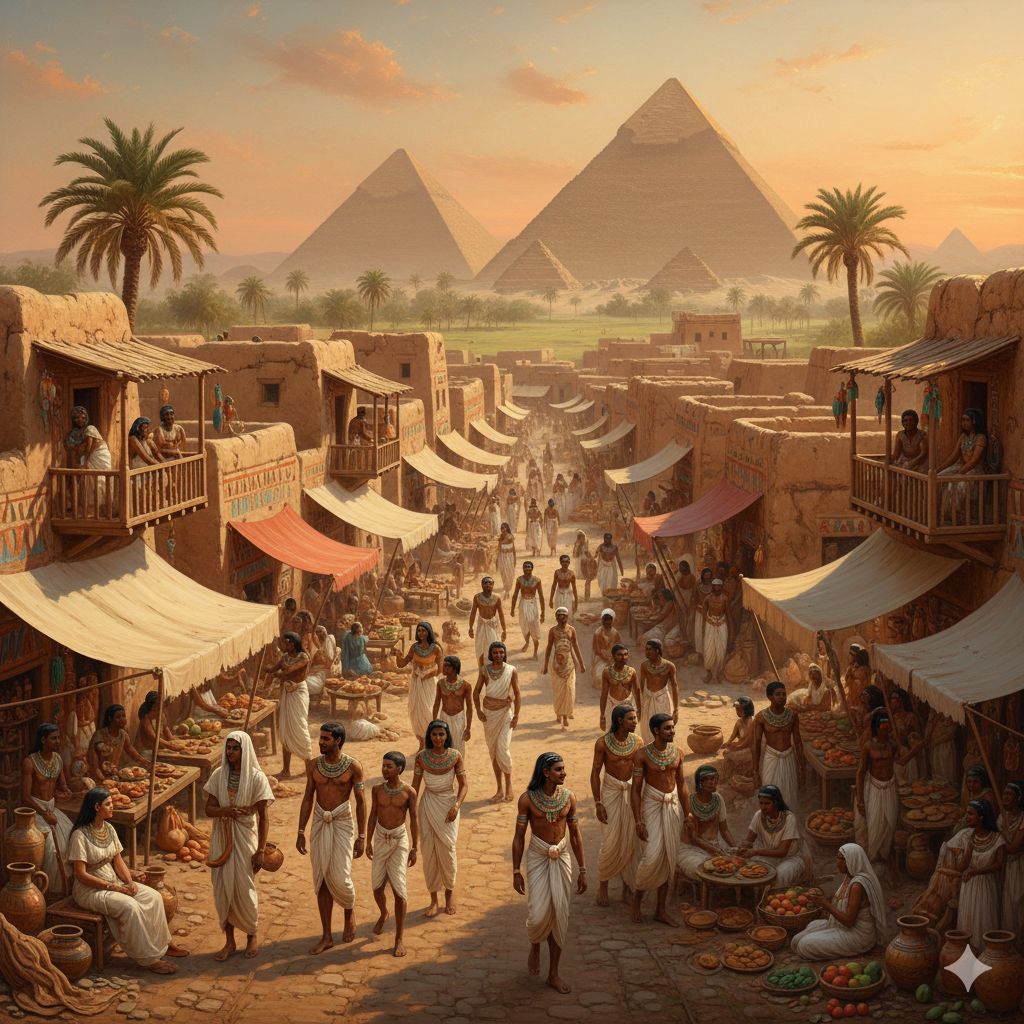
The estimated population was 2 million. A centralized state emerged from a period of warring states. The ruling class was centered around royalty, with bureaucrats and the military. Culture flourished, and economic development was achieved through the acquisition of vast amounts of gold. 200,000 people lived in various cities as royalty, nobility, bureaucrats, soldiers, and merchants. The remaining 90-95% are thought to have lived as farmers in small groups throughout Egypt. Considering the proportion of farmers, imagine medieval France or England in the 11th and 12th centuries. This was the time of the Crusades.
Now, let’s move on to the main topic, the Old Kingdom, which supported the construction of advanced pyramids. It is believed that there were several dozen times more people and financial resources than in the Middle Kingdom or New Kingdom. Let’s examine this.
3:Old kingdom
The Old Kingdom lasted approximately 500 years, from 2686 to 2181 BC. Following the chaos of the Early Dynastic Period, Egypt evolved into a state driven by a single will. The establishment of a bureaucratic system laid the foundations for taxation and censuses. Frequent expeditions to the Sinai Peninsula led to the organization of turquoise and copper mining. During the reign of King Sneferu, the country’s land was divided into administrative districts and local officials were assigned.
A sophisticated accounting system was put into operation, using the nilometer to predict harvest yields and collect grain taxes. The king was redefined from a “god himself” to a “son of the sun god Ra,” and the center of state power shifted to religious ideology. The authority of the solar priesthood grew, and all activities were recorded by scribes on papyrus. Egypt’s economy was entirely dependent on basin irrigation. This system of diverting Nile floodwaters into diked areas and allowing silt to settle and enrich the soil required cooperative work at the village level, forming the smallest unit of society. Bread, beer, cloth, and sun-dried brick dwellings were key components of this period. Decentralized governance also lacked centralization.
Initially, local officials were dispatched from the central government, but they gradually became more independent, ushering in the next period of warring states, which lasted for approximately 127 years from 2182 to 2055 BC.
In his 1970s study, “Early Hydraulic Civilizations of Egypt,” Carl Butzer calculated the total population by multiplying the area by the population density that could be sustained with the agricultural and irrigation technologies of the time. Butzer’s research estimates the population density of the Old Kingdom to be around 60 to 100 people per square kilometer.
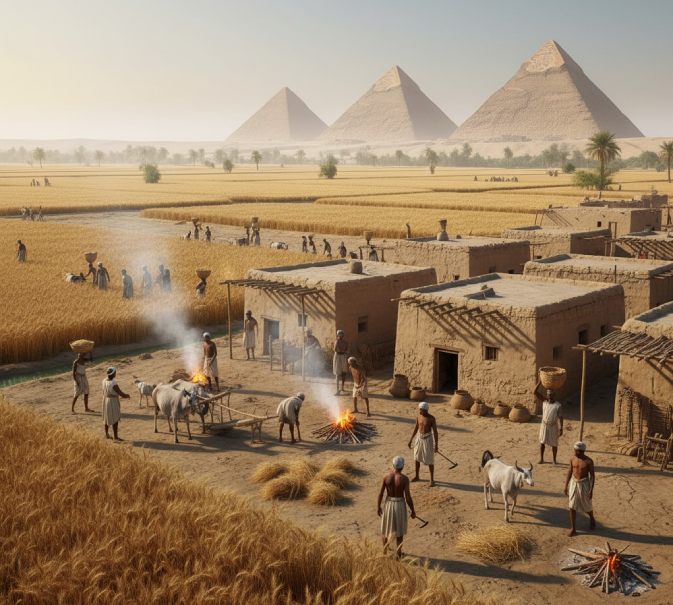
According to this, the estimated population during the Old Dynasty was one million. For the first time, the seeds of a state driven by a single will emerged throughout Egypt. Bureaucratic institutions developed, and medium-scale trade began. Local officials were appointed, and a decentralized system of government developed. With the king at the apex of religion, there was a shift to control through religious ideology, the authority of priests increased, and a culture of record-keeping advanced. Indirect rule ceased to function, and local officials became independent, ushering in an era of rival warlords.
50,000 people lived in each region as royalty, nobility, bureaucrats, priests, and soldiers. The remaining 95-97% are thought to have lived as farmers in small groups throughout Egypt. In terms of the proportion of farmers, imagine Vietnam in the 1930s.
Life expectancy during the Old Kingdom
Let’s examine the lifespans of people who lived during this era. Our modern-day average life expectancy reaches 85 years in developed countries. This is the result of large amounts of calories, high nutrition, advanced medical care, sanitation, housing, and advances in clothing. Developed countries with the highest infant mortality rates (under the age of one) are 0.15% to 0.19%, or 1.5 to 1.9 per 1,000. The probability of surviving to age 20 is now considered.

“guaranteed,” with the probability of dropping out by age 20 being kept to less than 1% (around 0.5% to 0.8%). In developed countries, the survival rate for a human being born is at a 99.1% rate, even in the worst-case scenario.
We have data from late-medieval Europe in the 18th century, under the rule of Maria Theresa.

Infant mortality (under one year of age) was 25%-30%, or 250-300 per 1,000. Approximately 50% of infants died before reaching the age of 20. Even Empress Maria Theresa, head of the Habsburg family, who enjoyed the best living conditions, food quality and quantity, and medical care of her time, was no exception. She gave birth to 16 children, but only 10 survived to age 20. The survival rate was 62.5%. The average life expectancy of commoners dropped to 35.

Compared to the 18th century, sanitation and the quality of food, clothing, and shelter in ancient Egypt were poor. The staple food of the Old Kingdom was hard bread made from whole emmer wheat flour. Because it was ground into flour in a stone mill, it was mixed with millstone chips and desert sand, making it an “abrasive hard bread.”
It was also used as a lethal weapon to physically remove peasants’ teeth. By constantly chewing sandy bread, peasants’ teeth would have worn down to the point that the nerves were exposed by the time they were in their twenties. Bacteria could then invade, causing sepsis, which likely accounted for a large proportion of deaths.
Farming using the Nile’s floodwaters required them to be constantly in water. Parasites lurking in the Nile water penetrated the skin, invaded the bloodstream, and systematically destroyed the liver and bladder. With no medical protection, this led directly to death. Life was harsher than one might imagine. The mortality rate must have been quite high.
In terms of nutritional value, pigs were domesticated and provided a source of high-quality vitamins and protein. However, pork was a rare luxury, and peasants’ main sources of protein were beans (lentils, chickpeas) and fish caught in the Nile.
Considering the average life expectancy in 18th-century Europe, the average life expectancy during the Old Kingdom is likely to have been around 30 years. In Egypt at this time, people were struggling to survive and could hardly afford to build pyramids.

It was a far cry from the image of the Old Kingdom we learned from textbooks. The landscape at that time was dotted with single-story sun-dried brick houses, from which the smoke of baking bread slowly rose. There was no trace of kings or nobles anywhere, and small settlements were scattered across vast farmland. It was just a view of an agricultural country like any other.
Conclusion:
My preconceived notion that they must have been an incredible civilization because they built the pyramids distorted the facts.
Beyond the smoke from people’s cooking, I could see a yellow, pointed triangle illuminated by sunlight. It was undoubtedly a pyramid.
“…the pyramids were already there.”
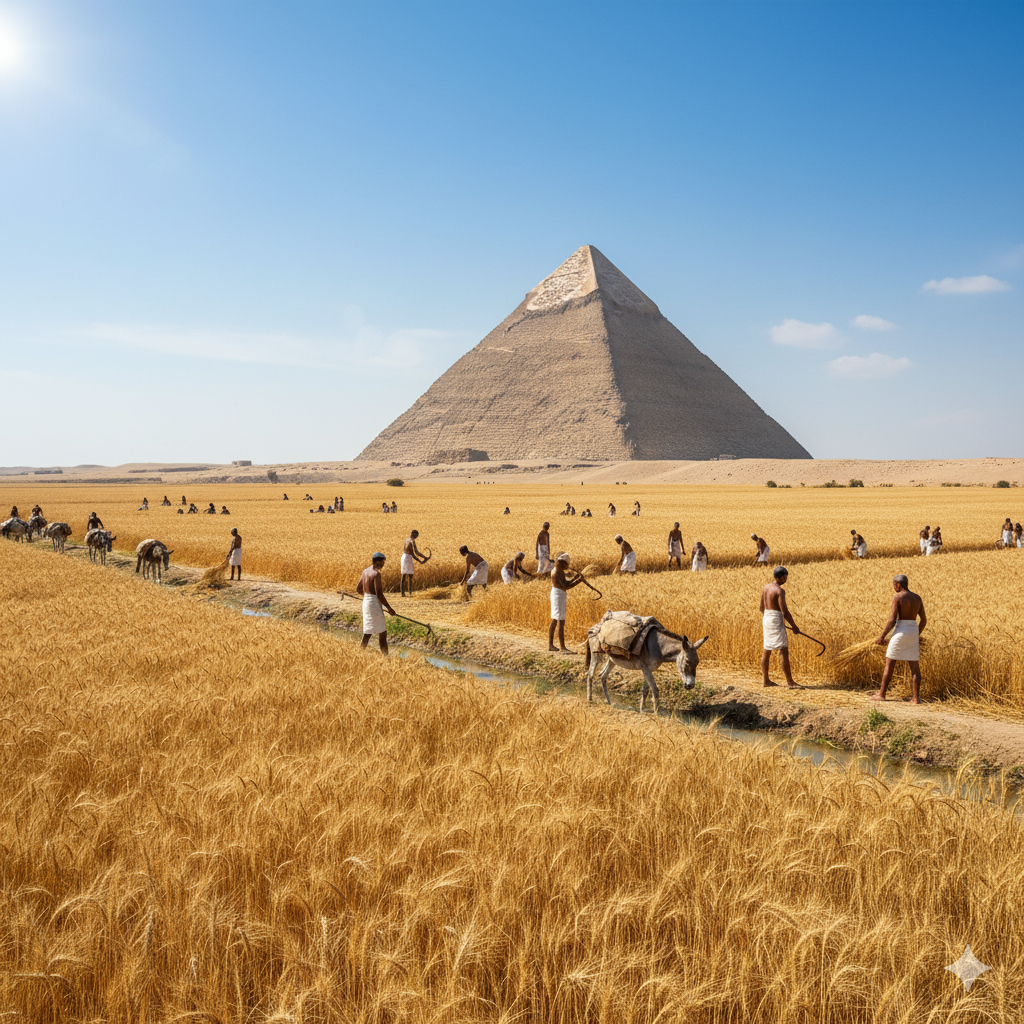
Unless what we see today is a hallucination, the pyramids exist. Now that we know they couldn’t have been built during the Old Kingdom, the answer is that they must have already existed at that time.
I know this may seem hard to believe, but other possibilities are close to zero. The pyramid specifications we’ve examined so far, the difficulty of their construction, the lack of evidential value, and the impoverished state of the Old Kingdom—none of these results suggest that humans of this era were likely to have built pyramids. In fact, the evidence is overwhelmingly negative.
Next, I’ll present evidence that the pyramids were already there during Ancient Egypt.
Evidence from 2550 B.C.
1:Erosion marks on the Sphinx
The Great Sphinx is said to be the guardian of Giza. Mainstream archaeology determines that it was built around 2500 BC by Pharaoh Khafre, along with the pyramids. However, the deep vertical grooves carved into its massive body physically preserve memories of a time long before humanity called itself “Egypt.”
This theory, presented by geologist Dr. Robert Schock (Boston University) in the 1990s, is based on a cold-hearted analysis of rock weathering patterns. “Deep vertical erosion marks” are clearly visible on the Sphinx itself and the rock walls of the “Sphinx Enclosure” that surround it.
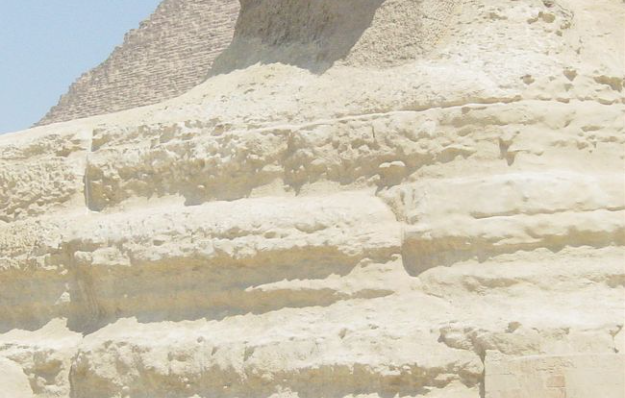
The typical weathering pattern seen in the present-day Egyptian desert involves horizontal erosion of layers according to differences in rock hardness. Deep vertical erosion scars are created by erosion caused by heavy rain. Rain erodes the rock surface vertically, forming deep V-shaped grooves and undulating, rounded contours. This is physical evidence of long-term heavy rainfall and surface flow.
By around 2500 BC, Giza during the Old Kingdom was already dry, with very limited annual precipitation. The arid climate of this time would not have provided the energy (water) needed to carve such deep vertical grooves. From around 7000 to 5000 BC, Egypt enjoyed a humid, savanna-like climate. Around 9700 BC, with the end of the Ice Age, a period of drastic climate change on a global scale and a resulting flood (the Younger Dryas period) occurred.
According to Dr. Schock’s calculations, it would have taken centuries of heavy tropical rains to create the depth and shape of the erosion seen on the Sphinx, dating back to at least 7000-10,000 BC.
2:Inventory Stella
In 1858, French archaeologist Auguste Mariette unearthed a limestone inscription known as the “Inventory Stela” at the site of the Temple of Isis, just east of the Great Pyramid of Giza.
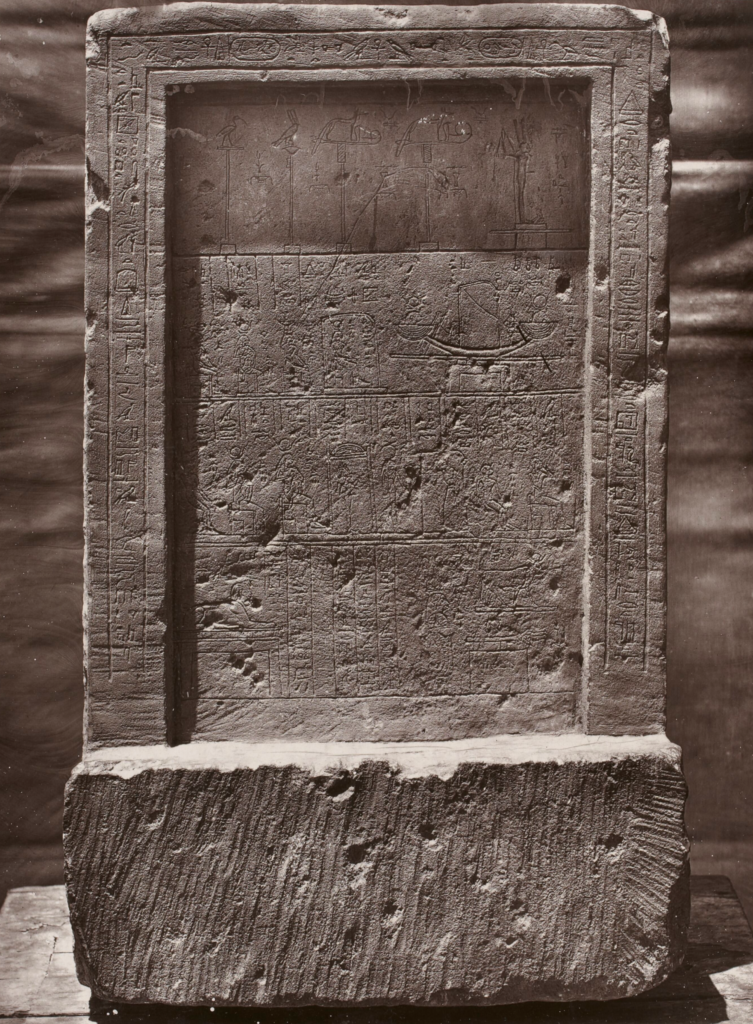
The inscriptions on this stone stele completely destroy the story we learn in textbooks that “Pharaoh Khufu built the pyramid.” A closer examination of the inscription reveals some astonishing inconsistencies. Let’s take a look at what the inscription says:
“He (Khufu) discovered the temple of ‘Isis, Mistress of the Pyramids’ beside the pyramid. It is located northwest of the House of the Sphinx and next to the House (Temple) of Osiris.”
“The king also confirmed the location of Khor-em-Akhet (the Sphinx). It is located south of the Temple of Isis and north of the Temple of Osiris.”
“The king discovered that the back of the Sphinx’s head had been damaged by a lightning strike and ordered its restoration. The king inspected it with his own hands and restored the missing parts to their original form.”
“The person who wrote this record will be immortal. King Khufu’s achievements, along with this pyramid and the Sphinx, will be remembered forever, for he fulfilled his duty as their guardian.”
The most shocking thing about this stele is that it states that the Sphinx already existed during Khufu’s time. Textbooks state that the Sphinx was built by Khufu’s son, Khafre.
So the Sphinx already existed during Khufu’s time. Naturally, Khafre’s pyramid, connected to the temple, would also have existed.
3:Traces of “marine sediments”
Inside the Great Pyramid, early explorers witnessed and recorded physical data that could not be explained by normal condensation.
In particular, it has been reported that a hard salt crust up to one inch thick (approximately 2.5 cm) once clung to the walls of the Queen’s Chamber. Efflorescence, the surface deposition of salts contained in limestone, usually appears as a powder measuring millimeters in size.
For a one-inch-thick “crust” to form, the entire chamber would have been filled with saturated saltwater, and the water would have evaporated over an extended period, creating a “submersion-evaporation cycle” for physical consistency. Analysis of the salt’s chemical composition has revealed that it not only contains elements derived from limestone, but also trace elements suggesting marine spray or submersion.
4:Erosion patterns in silt and limestone
Archaeologist and geologist Sherif El-Moursi conducted research on the Giza Plateau. He discovered fossils of marine life attached to the surfaces of the paving stones around the pyramids and the multi-ton megaliths that make up Khafre’s mortuary temple. Fossils found inside limestone are usually tens of millions of years old, but what he found were sea urchin fossils attached to the surface of the stones along with sediments.
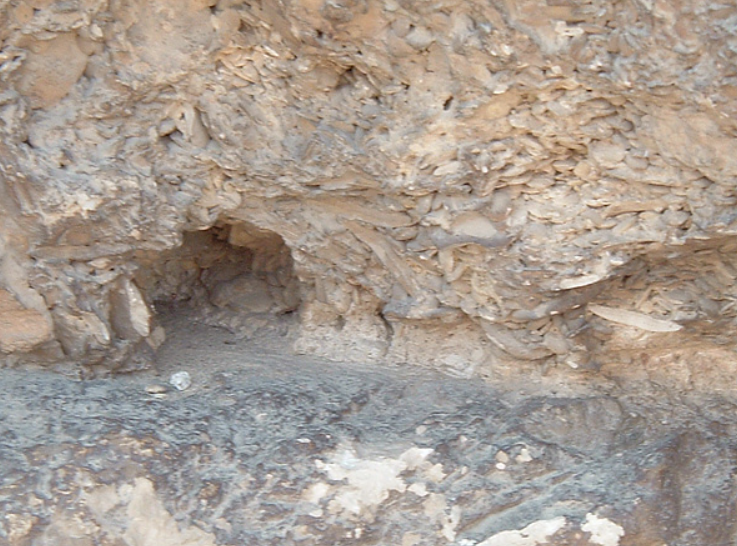
These fossils indicate that these creatures were not “corpses” carried away by waves after death, but rather settled and grew in situ, or were buried in their “living positions” by rapid sediment inflow. The Giza Plateau lies approximately 60 to 100 meters above sea level, suggesting that a large-scale marine intrusion, rather than a Nile flood, was the physical cause of marine life settling at such a high altitude above present-day sea level.
The Giza Plateau is usually covered with “Aeolian sand,” or dry desert sand, but what accumulated up to 5 meters below the base of the pyramid was “silt,” which has a completely different composition. While sand is a collection of loose particles, silt contains fine clay and organic matter and hardens like concrete when moistened.
Analysis of this layer revealed not only desert-derived components, but also large amounts of foraminifera and the microscopic remains of marine plankton. This is physical evidence that the Giza Plateau was a “marine stagnant body of water” for a long period of time, rather than being temporarily inundated by the Nile.
5:14m boundary
When observing the Great Pyramid from a distance, the damage to the stones is clearly divided at a specific height of about 14 meters. The entire huge structure of the pyramid tells the story of the water level. Below 14 meters, the limestone corners are rounded and the surface has become porous, with a honeycomb-like texture.
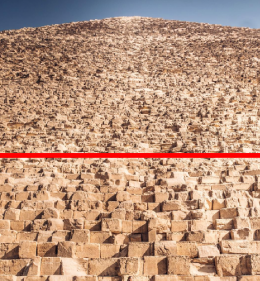
This is typical chemical weathering that occurs when the pyramid is immersed in water, especially salt water, for an extended period of time. In contrast, above 14m, although there is wear from sandstorms, the “quality” of the stone itself remains hard and sharp compared to below 14m. This is because the “height physically stripped away by the raging torrent” and the “height chemically eroded by stagnant salt water after it was dammed up” are separated into layers at the 14m boundary.
In this way, what remains in the pyramid is a memory of the sea. Was there really a time when the land of Giza, which is now a desert, was the sea?
“…It is.”
Younger Dryas period

1:1.5km meteorite impact
The Younger Dryas period occurred approximately 12,900 years ago.
This was a period of “abrupt return to a cold period” that occurred amid 1,800 years of warming following the end of the last ice age, and lasted for approximately 1,200 years. This was followed by a sudden warming, leading to the Pleistocene epoch.
The start of the Younger Dryas period saw an extremely abrupt change. It is known that within just a few decades, the average temperature in the Northern Hemisphere dropped by 5 to 10 degrees Celsius. Recent research has identified a meteorite impact as the most likely cause of this sudden cooling.
In 2016, the 31km-diameter Hiawatha Crater was discovered beneath Greenland’s ice sheet.
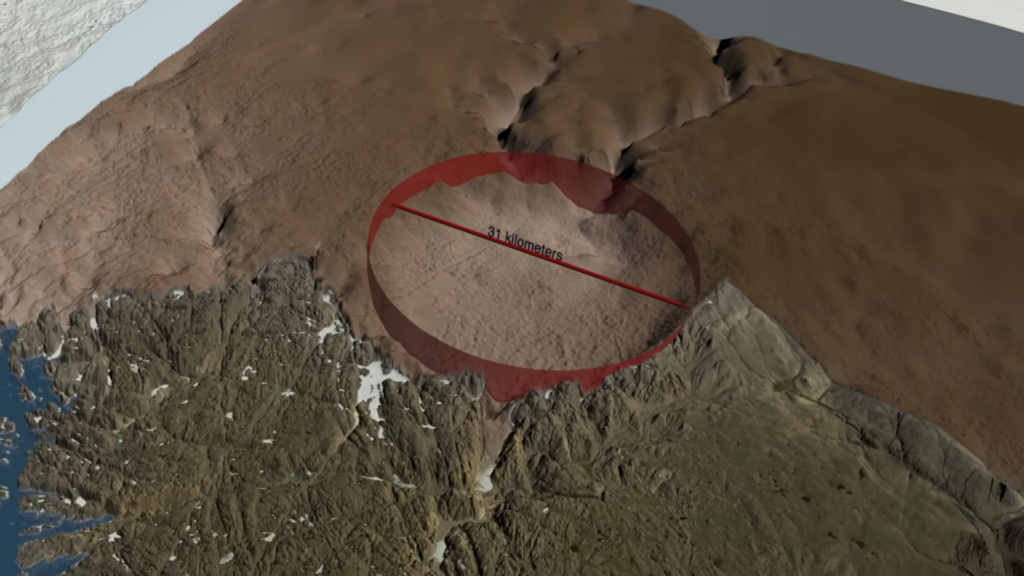
It is known to have been formed by the impact of a 1.5 km diameter iron meteorite (approximately 13 billion tons). Normally, glaciers erode the ground as they move, leaving craters behind. However, the “Hiawatha Crater” remains clearly visible, suggesting it was formed around the end of the last ice age.
A unique sedimentary layer dating back 12,900 years has been observed in strata around the world. This layer, known as the “black mat,” has been identified in over 50 locations, primarily in North America. This thin, black layer contains nanodiamonds, which form only under the extremely high temperatures and pressures caused by meteorite impacts; magnetic spherules formed when rocks melt and scatter during impact; high concentrations of charcoal from unprecedented global forest fires; and platinum, which was created by the influx of extraterrestrial matter. Let’s simulate what happened with a 1.5 ton meteorite.
2:Simulation

A:Immediately after the collision
12,900 years ago, a 1.5km meteorite struck northern Greenland, releasing an energy equivalent to the simultaneous detonation of approximately 9,500 Tsar Bombers—far more than the entire nuclear arsenal of humanity combined.

B:Tsunami movement
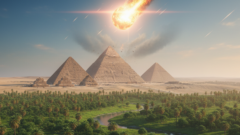
The impact of the collision reached the bottom of the Atlantic Ocean, stirring up sediment on the seabed and generating a tsunami of approximately 70 meters in height. The tsunami jumped over the Strait of Gibraltar, passed through the Mediterranean Sea, and reached Egypt at its eastern end.
At the eastern end of the Mediterranean Sea, sediment carried by the Nile River had formed shallow waters of approximately 20 to 100 meters for several tens of kilometers offshore. The tsunami, which had advanced through the Levantine Basin, more than 2,000 meters deep, crashed into a steeply shoaling area at the “edge” of the Nile Delta.

C:180m tsunami
Here, the water depth drops dramatically from 2,000m to less than 100m, causing the wave speed to suddenly slow down and all of its energy to be explosively converted into vertical energy (wave height). If the water depth were to decrease from 2,000m to 50m, the wave height would be calculated to be amplified by more than 2.5 times.
The tsunami, now 2.5 times its original height, to 180m, would rush up the Nile Delta, overtake Giza, and exceed Luxor, 700km away, reaching 180m above sea level at Aswan, 900km away (calculation taking into account that sea level during the Younger Dryas was 70m lower than today).

D:Ebb tide
At this point, the tsunami’s potential energy finally equalizes with the elevation of the terrain, bringing it to a physical halt. At this point, Giza becomes a sea 100 meters deep. The tsunami’s energy dissipates upon reaching Aswan, and the tide begins to slowly ebb along the slope. Destroyed forests, stone, and tons of sediment from Aswan to the delta are carried northward in a single bound, covering more than 700 kilometers.
Giza is literally the “throat of the funnel” through which the vast mass of water rushes toward the delta. When fluid is forced from a wide area into a narrower one, its flow velocity increases exponentially, inversely proportional to its cross-sectional area. Around Giza, the cliffs on both sides, the Mokattam Hills, and the Libyan Desert constrict the flow path, transforming the ebb tide into a “super-fast torrent” of hundreds of kilometers per hour. This overwhelming velocity stripped away the veneer of the Giza pyramids. It also had the destructive power to “gouge out” the soft layer of the riverbed’s crust.
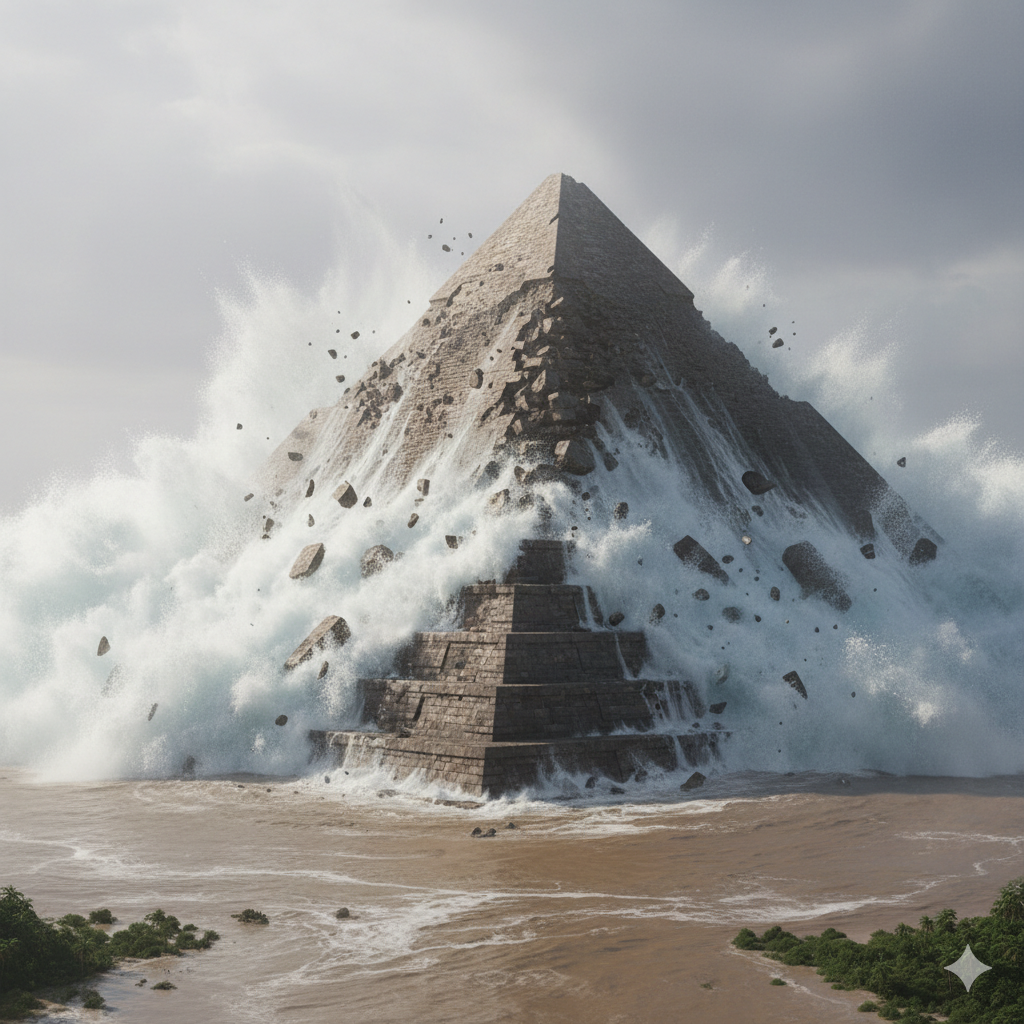
E:Appearance of a 14m sea
The eastern side of the Giza Plateau, a lowland along the present-day Nile River, was deeply carved by this tremendous ebb tide, temporarily forming a gigantic “channel.” When the fluid reached the area where the water suddenly became deeper, it was no longer able to follow the contours of the ground and separated from the main flow. This phenomenon is known as “separation.” Beyond the separation point, a massive vortex (recirculation zone) formed beneath the main flow.
This vortex did not simply rotate; it absorbed the main flow’s horizontal kinetic energy and transformed it into rotational energy. The energy consumed to maintain the vortex increased in proportion to the cube of its velocity. This theft of energy reduced the overall momentum of the fluid, causing overall delays. In fluid mechanics, large vortex regions are known as “dead zones” or “recirculation zones.”
Inside the vortex, the water rotates in a circular motion, effectively eliminating the overall forward velocity. Violent friction occurred at the boundary between the vortex and the main flow, acting as a massive brake. When a huge vortex formed, the main current had to avoid it as an obstacle, narrowing its effective flow path and dramatically reducing the overall flow rate. The slower flow velocity caused the silt suspended in the water to settle all at once, making the “dam” on the delta side higher and more solid.
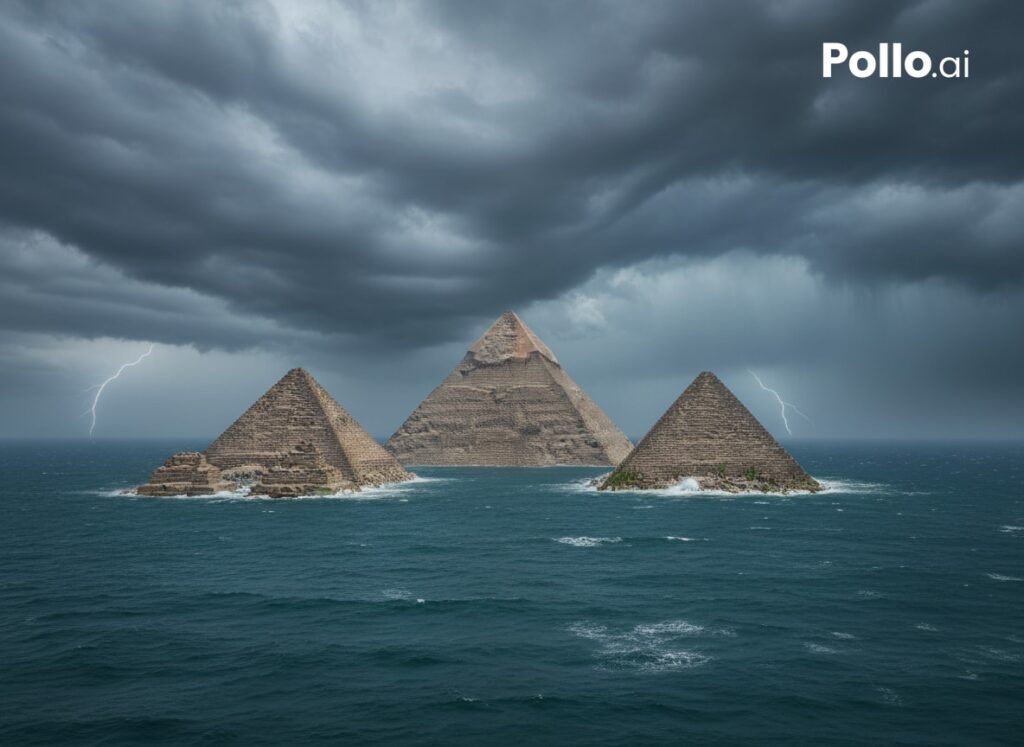
As a result of the physical damming, a 14-meter-deep sea was created around the pyramid. Based on the climate of the Younger Dryas, it would have taken 120 years for this saltwater lake to completely disappear.
When were the pyramids built?
1:Pyramid design concept
The pyramids of Giza were not placed haphazardly, but were based on meticulous calculations based on a design philosophy. As a result, an extraordinary attention to precision is evident everywhere. I will explain the basis of this design philosophy.
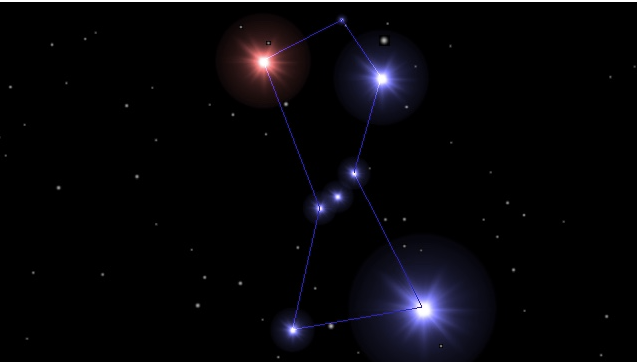
The theory that the pyramids imitate the configuration of Orion is not merely romantic, but is clearly a mathematical and geometric “copy of information.”
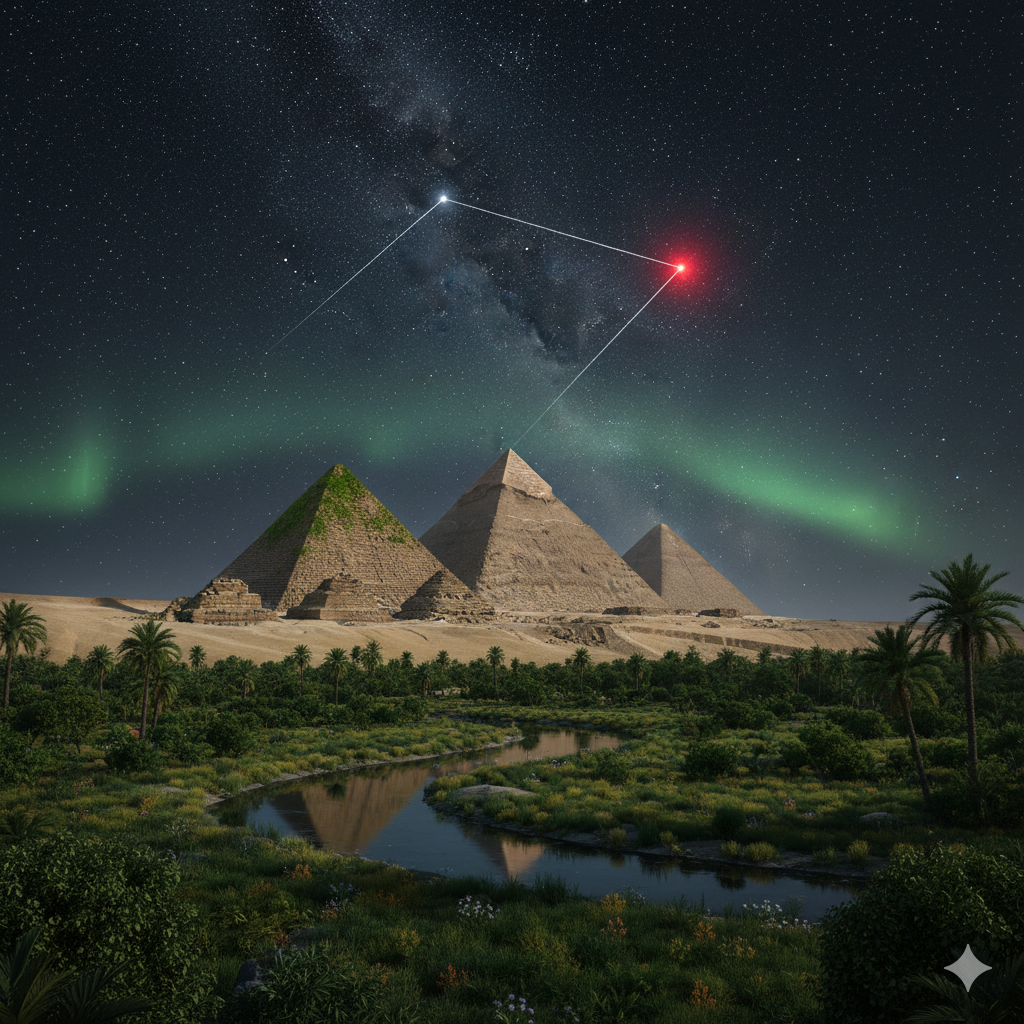
The three stars of Orion are not perfectly aligned, with the smallest star (Mintaka) being slightly offset to the left (north). The three pyramids of Giza are also aligned in a straight line between Khufu and Khafre, with the third pyramid, that of Menkaure, intentionally offset to the left. The ratio of this offset is geometrically in perfect agreement with the alignment of the stars of Orion in the night sky. With such a high level of precision in the design, it is only natural that the positions of the three pyramids were also precisely determined.
Overlay video
Additionally, the two shafts extending from the Queen’s Chamber inside the Great Pyramid were designed as “observation windows” to shoot through specific stars. The southern shaft points to Sirius, and the northern shaft points to Kokab. This means that the pyramid was built to reflect the position of Orion.
2:Large error
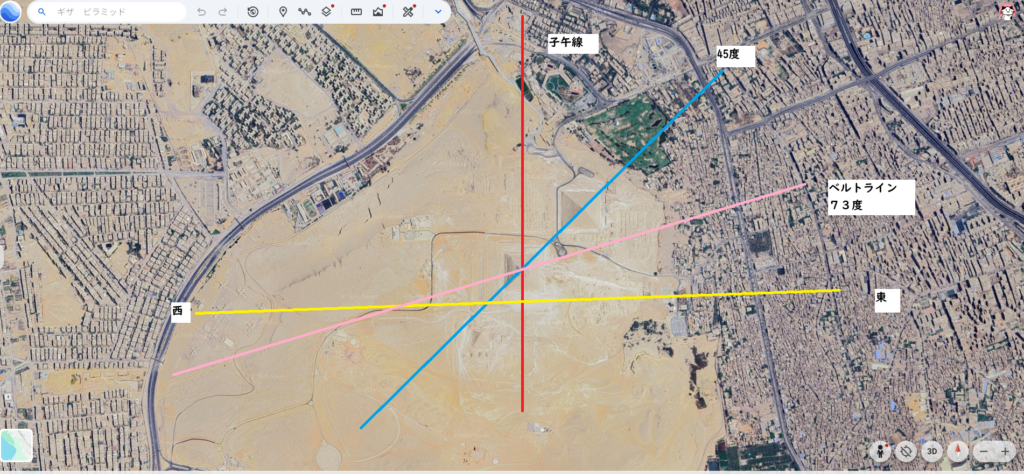
In 2550 BC, the angle of the line connecting the three pyramids on the ground was approximately 45 degrees to the meridian (the longitude line connecting the North and South Poles of the Earth). At that time, when Orion’s belt line reached its zenith (due south), it was approximately 73 degrees to the meridian. This resulted in an angular difference of approximately 28 degrees, far exceeding the tolerance of an advanced architectural group that was so particular about accuracy of direction and levelness. Furthermore, the position of the celestial bodies from the shaft of the Queen’s Chamber was also off.
3:Synchronization
It is reasonable to assume that the pyramids were built when these elements were in “perfect synchronization.” This occurred 12,500 years ago. In this year, Orion reached its lowest point in its precession cycle, and the angle of its belt line (45 degrees) perfectly matched the position of the pyramid on the ground (45 degrees). Sirius and Kokkab were also locked onto the shaft of the Queen’s Chamber. This was the “moment of synchronization” intended by the designers.
In other words, the pyramids were built 12,500 years ago.
Precession is when the Earth’s axis of rotation is tilted at approximately 23.4 degrees, causing it to oscillate like a top. This is called precession, and it takes approximately 25,920 years for the Earth to complete one revolution.
This movement causes the altitude at which certain constellations reach their zenith and the location of the vernal equinox (the system starting point) to slowly shift over thousands of years.
4:Contradiction
The pyramids were built 12,500 years ago, so they were already in existence during the time of King Khufu. There is no doubt about this. However, the meteorite impact that caused the Younger Dryas period occurred 400 years earlier. Considering the memories engraved on the Giza plateau and the erosion of the Sphinx by water, the pyramids must have already been there during the Younger Dryas period. In other words, they were there 12,900 years ago.
5:Rewinding a cycle
So, what I’m saying is that 12,500 years ago is too recent. We need to go back one more cycle of the Earth’s precession. The position of Orion and the other constellations does not exactly match the pyramids until 38,420 years ago. This leads us to the conclusion that the pyramids were built 38,420 years ago.
6:In the midst of the ice age
38,420 years ago. Geologically, this period corresponds to the middle of Marine Oxygen Isotope Stage 3. While it is generally associated with the image of extreme cold, the “midst of an ice age,” detailed climate data reveals that this period was a period of extraordinary stability and wetness that lasted for thousands of years. This provided an ideal “executive environment” for advanced civilizations to design and construct the gigantic hardware known as the pyramids. While Egypt today is a dry desert, 38,000 years ago, North Africa was in the “Green Sahara” state, similar to modern-day savannas and fertile grasslands.
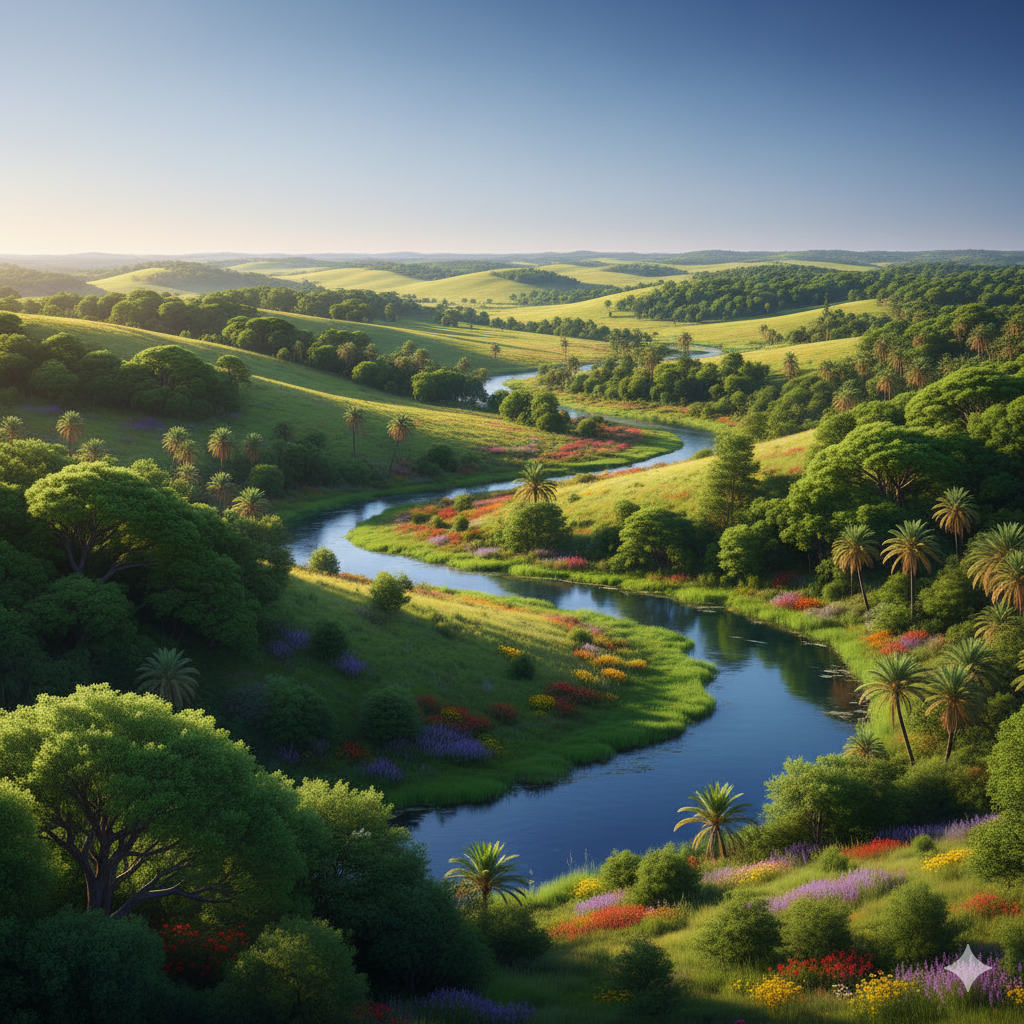
Sea levels were approximately 70 to 80 meters lower than present-day levels, and many of the cities of civilizations built during this period are now submerged at depths of more than 70 meters, inaccessible to archaeologists on land. Shortly before 38,420 years ago, approximately 41,000 years ago, an event known as the “Lashan Excursion” occurred, reversing and weakening the Earth’s magnetic field. 38,420 years ago, this geomagnetic storm-like disruption subsided, and the Earth’s magnetosphere stabilized and began to block cosmic radiation again.
7:Golden age
The warm climate over the millennia gave humanity time to evolve. Their civilization had the technology to process rock like clay and easily transport huge stones. For unknown purposes, they constructed gigantic stone devices that could accurately measure celestial bodies and generate standing waves. These are the pyramids.

Concrete, steel, plastic, and other materials return to the soil in thousands of years. If our civilization were to come to a halt, it would disappear without a trace within tens of thousands of years, and no traces would be found by future generations of new civilizations. However, rocks do not change even for tens of thousands of years. The pyramids, made of rock, have withstood wind, rain, and tsunamis caused by meteorite impacts. They were built at a high altitude of 300 meters above sea level at the time, which is why they were able to be seen by us by chance.
8:End
The temporary “golden age” of the Ice Age ended, and the Earth’s temperature dropped significantly, leading to another Ice Age. It seems that their civilization was unable to survive. The surviving humans somehow managed to weather the Ice Age and endure for 20,000 years until the next warming. With each passing generation, the memory of prehistoric times was lost.

Conclusion:
The pyramids teach us that human civilization is fleeting. Many civilizations have been born and disappeared due to global climate change. Our modern civilization will not last forever, and one day it will be put to the brink by a global cataclysm.
Epilogue: Gold on the Sand, Heavenly Clock
Night falls quietly once again across the Nile floodplain. As Orion’s three stars shine at the zenith, the three gigantic structures of Giza gaze silently up into the sky at the same angle they did 38,420 years ago.
Five thousand years ago, during the Old Kingdom, humans baked bread, brewed beer, and found comfort in their sun-dried brick homes. Behind this humble lifestyle, the pyramids already silently stood as “ancient relics.” Perhaps, like us, the Egyptians felt awe at their overwhelming presence and attempted to piece together the fragments of their lost golden age.
Civilizations are like letters written in sand. With the wind and the water, their traces easily disappear. But the “stone anchor” of the Great Pyramid remains, tethered to the planet’s coordinates, absorbing the shifting of the earth’s crust, the erosion of seawater, and even the irregularities of precession.
These three guardians will remain silent until the next Golden Season arrives, or until the Earth resets its operating system once again. All we can do is find, in the faint traces of corrosion etched into the stone’s surface, remnants of the wisdom of nameless ancestors who once flourished on this planet.
…The wind blows. The sand dances. The pyramid simply stands there.

コメント